When selecting a 128 Gb Memory Card For Dash Cam, users often prioritize storage space without considering the endurance required for continuous loop recording in a vehicle. This case study follows a representative scenario where a driver transitions from a standard-grade consumer card to an endurance-optimized model, illustrating how this shift impacts long-term reliability.
Many vehicle owners assume all SD cards function identically, failing to realize that dash cams subject storage media to constant write-cycles and extreme cabin temperatures. This mismatch frequently results in corrupted footage during critical moments or recurring error notifications on the camera display.
By following this walkthrough, you will learn why card selection is as important as the hardware itself and how to ensure your dash cam remains a reliable silent witness on the road.
- Understanding the limitations of non-endurance media.
- Evaluating the impact of high-capacity storage management.
- Streamlining the maintenance routine for video archival.
- Mitigating the risk of file corruption and recording gaps.
- Strategic selection based on hardware compatibility.
The Starting Point: A Common 128 Gb Memory Card For Dash Cam Scenario

The Core Challenge
In our illustrative scenario, the driver experienced frequent "Card Error" messages and discovered that older, older recordings were missing despite having a 128 Gb card installed. The issue was not the capacity, but the card's inability to handle the high-bitrate, constant-write nature of modern high-definition cameras.
Why the Default Approach Often Falls Short
Relying on standard retail-grade memory cards often leads to premature failure because these cards are designed for intermittent use, such as photography. Constant loop recording forces the card to overwrite the same cells repeatedly, which accelerates wear, often leading to dashcam offline status or data corruption.
The Approach & Method

Technical Evaluation and Selection
The approach focused on replacing the generic card with a specific high-endurance model designed for constant-write environments. By prioritizing endurance over raw speed, the driver ensured the card could withstand the heat cycles typical of vehicle interior environments.
Implementation Phases
Assessment and Compatibility Check
The user verified the manufacturer's maximum storage recommendation to ensure a 128 Gb card was supported without firmware limitations. This prevented the common error of "card not detected" due to file system incompatibilities.
High-Endurance Integration
The user installed an endurance-grade card, ensuring it was formatted directly within the camera interface. This step is critical as it aligns the card's allocation unit size with the dash cam's file management system.
Routine Verification Protocol
A monthly check was implemented to ensure the card remained writable. This proactive approach mirrors procedures used in troubleshooting dash cam issues to ensure long-term functionality.
Recommended Equipment & Solution

MindStor 128GB Micro SDXC Memory Card, 90MB/s
A reliable pick for MindStor 128GB Micro SDXC Memory, selected based on this article's guidance.

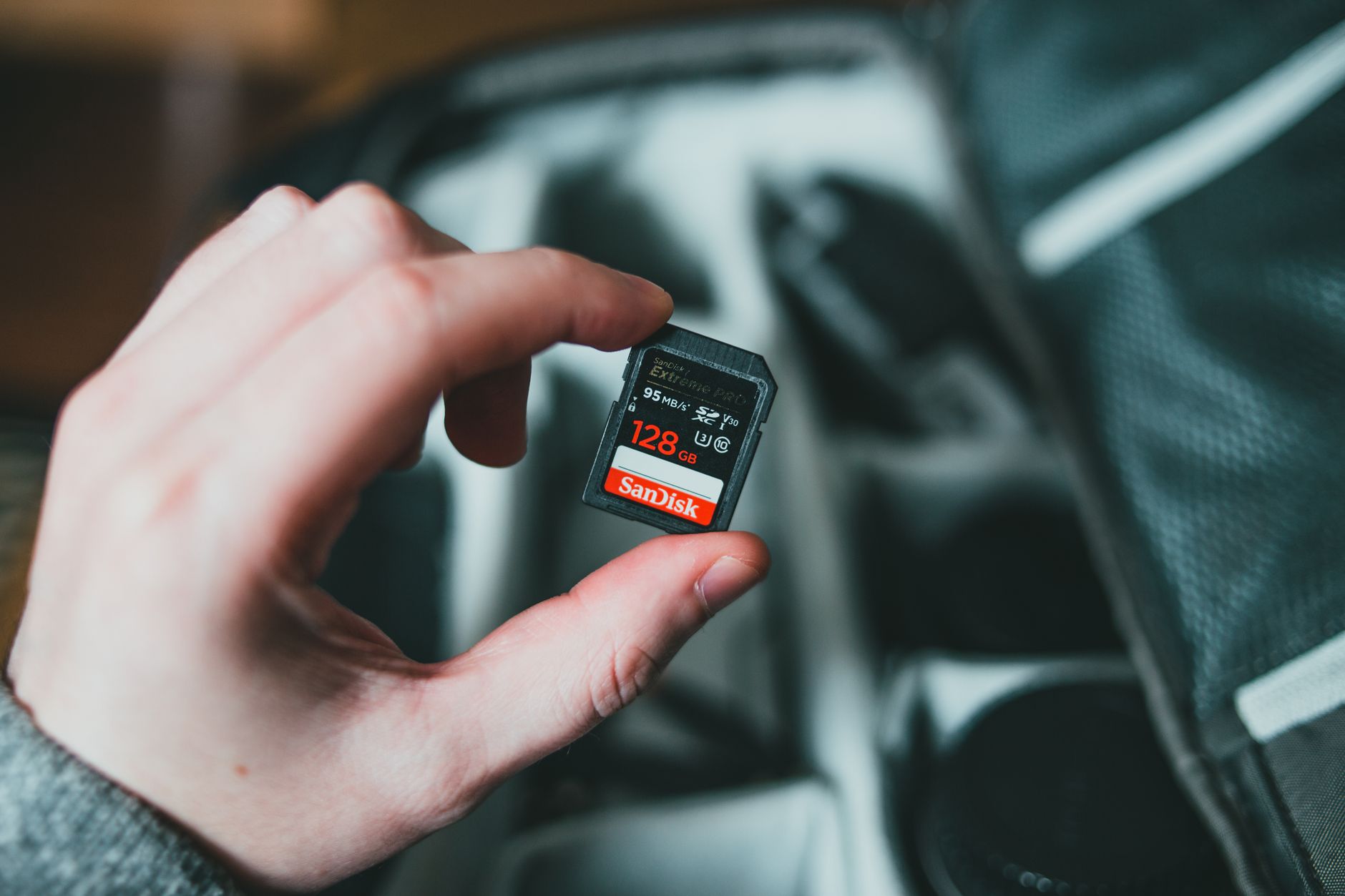
SANDISK 128GB High Endurance Video microSDXC Card
A reliable pick for SANDISK 128GB High Endurance Video, selected based on this article's guidance.
Results & Outcome Analysis

Comparing Performance States
After switching to an endurance-rated card, the system stability improved significantly. The qualitative difference moved from erratic behavior to consistent, set-it-and-forget-it performance.
| Metric | Before (Standard Card) | After (Endurance Card) |
|---|---|---|
| System Reliability | Erratic error messages | Stable, continuous recording |
| Data Integrity | Occasional corrupted segments | Consistent file accessibility |
| Maintenance | Frequent manual reformatting | Minimal, periodic monitoring |
Why This Result Occurred
The improved outcome was due to the card's internal controller, which is optimized for the wear-leveling required for continuous recording. For users managing advanced setups like those found in 360-degree camera kits, this level of stability is essential for capturing all angles without gaps.
Lessons Learned

Key Takeaways for Setup
The primary lesson is that not all 128 Gb cards are created equal. The "Endurance" label is not just marketing; it represents a fundamental difference in how the card manages the flash memory cells.
Strategic Adjustments
Does This Apply to Your Situation?
When This Scenario Matches Yours
If your dash cam currently exhibits freezing, skipping, or "check memory card" notifications, your setup likely suffers from the same endurance mismatch identified in this scenario.
When Your Situation Differs
If your camera works perfectly, you may not need to change anything immediately. However, keeping this knowledge for your next hardware upgrade or when you notice performance degradation will help you avoid future issues.
Please note that individual results can vary based on specific dash cam hardware, environmental factors, and climate. This guide provides an illustrative pattern of common success markers.
Frequently Asked Questions
Does a 128 Gb card record more video than a 64 Gb card?
A: Yes, a 128 Gb card offers double the storage duration before older files are overwritten by the loop recording cycle.
Will any 128 Gb card work?
A: Most modern dash cams support 128 Gb, but you must ensure the card is a high-endurance model for longevity. Always check your manual for the maximum supported capacity.
How often should I format my memory card?
A: It is generally recommended to format your SD card once a month to keep the file structure clean and prevent potential data errors.
Can extreme heat affect my SD card?
A: Yes, high interior temperatures during summer can stress the memory controller, leading to temporary or permanent card failure.
What is a Class 10 U3 card?
A: These classifications refer to the speed of the card; U3 is generally recommended for dash cams to handle the high bitrate of 4K or multi-channel recording.
Is 128 Gb overkill for my camera?
A: It depends on your resolution and frame rate; higher quality video takes more space, making 128 Gb a standard choice for high-definition setups.
What should I do if my camera says 'Card Full'?
A: Ensure your loop recording feature is enabled; if it is, the card may have developed bad sectors, and you should attempt to reformat or replace it.
Can I use a gaming SD card?
A: While gaming cards are fast, they are often not optimized for the constant-write endurance of a dash cam and may fail faster.
Key Takeaways
- 1 High-endurance cards are specifically engineered for constant-write cycles.
- 2 Always verify the maximum storage capacity supported by your dash cam model.
- 3 Formatting the card inside the camera is vital for file system alignment.
- 4 Regular monthly formatting minimizes the risk of file system corruption.
- 5 Temperature-resistant cards perform better in automotive environments.
- 6 Avoid using generic or unbranded cards for critical security hardware.
- 7 Proactive maintenance prevents the loss of evidence during critical driving events.
Conclusion
Choosing the correct 128 Gb Memory Card For Dash Cam is a critical step in ensuring your recording equipment provides the safety and documentation you rely on. By selecting endurance-grade hardware and following a routine maintenance schedule, you shift your dash cam from a volatile component to a reliable asset.
Whether you are upgrading to a high-end system or maintaining your current setup, remember that consistency is the ultimate goal. For further guidance on integrating your hardware, feel free to explore our additional resources on vehicle camera safety.
With the right card, your dash cam becomes a truly dependable partner on the road.