Choosing between a smart camera for car with no cloud versus one that relies on external servers is a critical decision for drivers prioritizing privacy and data sovereignty. While modern dash cams often offer remote access, many users are opting for local-only storage solutions to avoid subscription fees and potential data breaches.
The confusion often stems from the marketing terminology, where "smart" features—like impact detection or mobile app connectivity—are frequently bundled with cloud-based services. Understanding the architecture of these devices is essential to ensure your vehicle security remains within your direct control.
This guide evaluates the technical differences, security implications, and practical usage of dash cams that operate entirely offline versus those with cloud capabilities. By the end, you will be equipped to select the hardware that aligns with your specific privacy and convenience requirements.
- Data privacy and local storage security.
- Subscription costs vs. one-time hardware investment.
- Reliability of recording without internet connectivity.
- Ease of file retrieval for insurance purposes.
- Long-term hardware maintenance and firmware support.
Overview & Head-to-Head Summary

Option A: The Local-Only Smart Camera
Local-only smart cameras prioritize security by keeping footage exclusively on a high-endurance SD card. These devices provide "smart" intelligence—such as G-sensors and parking mode sensors—without ever transmitting data to an external server. You manage all files directly via a physical card reader or a direct Wi-Fi connection that does not bridge to the internet.
Option B: The Cloud-Optional Hybrid Dash Cam
Hybrid systems offer the best of both worlds: local storage for constant recording and optional cloud backup for incident alerts. These systems are "smart" because they can push notifications to your smartphone if an impact occurs while you are away, requiring a 4G/LTE or hotspot connection. Do dash cams record when the car is off? This is a common question that highlights why these hybrid models are popular for 24/7 monitoring.
| Feature | Local-Only | Cloud-Optional |
|---|---|---|
| Storage Method | SD Card Only | SD Card + Cloud |
| Privacy Level | High | Moderate |
| Subscription Fee | None | Often Required |
| Remote Alerts | No | Yes |
If you prefer complete data ownership, verify that the device's companion app allows for a "Local-Only Mode" that disables all cloud synchronization features.
Key Differences & Core Features

Architecture and Connectivity
The primary difference lies in the networking architecture. A smart camera for car with no cloud uses localized Wi-Fi (often Direct-to-Phone) for file transfers. In contrast, cloud-enabled units require a constant data stream, which can introduce security vulnerabilities if the device's firmware is not frequently updated.
Cost of Ownership and Maintenance
Local-only models generally involve a higher upfront cost for premium hardware but carry zero recurring expenses. Hybrid units may seem cheaper initially, but long-term storage or connectivity subscriptions for 5 Best Spare Dash Cam Battery Options for Long-Lasting Parking Mode ensure you have power to maintain that cloud connection without draining your vehicle's main battery.
| Comparison Metric | Local-Only Camera | Cloud Hybrid Camera |
|---|---|---|
| Upfront Cost | Variable | Moderate |
| Ongoing Costs | $0 | Variable Subscription |
| Firmware Focus | Stability/Local Security | Connectivity/Uptime |
| Data Vulnerability | Zero External Exposure | Depends on Cloud Provider |
Performance & Real-World Analysis

Evaluating Local Reliability
Performance in a local-only camera relies on the quality of your microSD card. Because there is no cloud buffer, if the card fails, the data is lost. It is essential to use High-Endurance media cards designed for continuous write cycles in automotive environments.
Testing Connectivity and Alerts
Hybrid systems add complexity because they require consistent cellular connectivity to deliver real-time notifications. Testing these requires verifying signal strength in common parking areas, as a failed network connection could prevent a "live" alarm from reaching your phone during an incident.
Focusing on the physical integrity of your SD card is the most effective way to ensure long-term, cloud-free reliability for your dash cam setup.
Best Use Cases & Ideal Scenarios

When Option A Makes More Sense
If you prioritize extreme privacy, park in areas with poor cellular reception, or want to avoid monthly fees, a local-only smart camera is the industry standard. It is perfect for those who want to "set and forget" their dash cam.
When Option B Makes More Sense
If your vehicle is frequently parked in high-risk areas where you need instant alerts if a door is dinged or a break-in attempt occurs, a cloud-optional system is the superior choice for peace of mind.
When It Genuinely Doesn't Matter
For casual commuters who drive mostly during daylight hours and rarely use parking mode, the difference between cloud-reliant and local-only systems is negligible. Can baby car cameras see in the dark: Safe Nighttime Travel? This logic also applies to dash cams where base optics determine more about the footage quality than the connectivity method.
Recommended Equipment & Solution

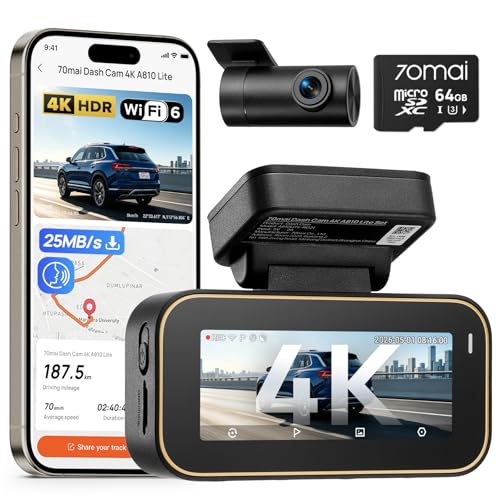
DeerAsk 4G LTE Dash Cam Front
A reliable pick for DeerAsk 4G LTE Dash Cam, selected based on this article's guidance.
Final Verdict & Decision Framework

Quick Decision Checklist
Ask yourself: Is the ability to see a live remote feed worth the potential security risks and subscription costs? If yes, look at hybrid models. If no, a high-quality local smart camera is your best bet.
Our Framework for Choosing
Balance your need for real-time remote intelligence against your desire for data privacy. Most drivers benefit from high-quality local recording, while only a small fraction truly requires active cloud alerts.
| Your Goal | Recommended Path |
|---|---|
| Maximum Privacy | Local-Only |
| Real-Time Alerts | Cloud-Hybrid |
| Zero Monthly Fees | Local-Only |
| Easy Sharing | Cloud-Hybrid |
Frequently Asked Questions
Do I need internet for a local-only camera?
A: No, these cameras record directly to an SD card and do not require an internet connection to function or save evidence.
Can I view footage on my phone without cloud?
A: Yes, most local cameras offer a direct Wi-Fi hotspot mode that lets you connect your phone to the camera while in the vehicle to download files.
Are cloud-based cameras less secure?
A: They carry higher risk because data is transmitted, but reputable brands use end-to-end encryption to mitigate this risk.
Is an SD card reliable enough for long-term use?
A: Yes, provided you purchase a high-endurance card specifically rated for the constant read/write cycles of dash cam usage.
Do smart cameras with no cloud still have parking mode?
A: Yes, many local-only models feature "Buffered Parking Mode," which detects movement via sensors and saves the clip locally to the card.
Can I upgrade a non-cloud camera to cloud later?
A: Generally, no. Cloud features are usually baked into the hardware and firmware at the time of manufacture.
What is the main benefit of cloud storage?
A: It provides an off-site backup if your car is stolen or the camera itself is destroyed in a crash.
Which option is better for beginners?
A: Local-only cameras are typically simpler to set up and manage, making them more accessible for those who don't want to deal with network configurations.
Key Takeaways
- 1 Local-only cameras prioritize privacy and eliminate monthly subscription costs.
- 2 Hybrid systems provide remote access but require a data plan and stable signal.
- 3 The "smart" in dash cams refers to sensor technology, not just internet connectivity.
- 4 Always use a dedicated high-endurance SD card to prevent data loss.
- 5 Cloud connectivity adds value primarily for real-time security alerts.
- 6 Firmware updates are more critical for cloud-enabled units to prevent security gaps.
- 7 Your choice should depend on where you park and how often you need real-time data.
Conclusion
Selecting a smart camera for your vehicle involves weighing your privacy comfort level against the convenience of remote monitoring. While cloud features provide undeniable benefits for real-time security, the vast majority of drivers will find that a robust local-only system offers the best reliability and data control.
By focusing on hardware quality and storage endurance, you can create a highly secure environment that captures every incident without the need for external server dependency. For further reading, check out How Does Baby Car Camera Work? Top 5 Systems for 2026 Reviewed to see how similar tech is used in family safety.
Take control of your data by choosing the dash cam architecture that fits your specific, real-world lifestyle.