Installing a dash cam is a significant decision for any driver. These compact devices promise security and peace of mind, but they also come with considerations. This balanced analysis cuts through the hype to present a clear, unbiased look at the advantages and disadvantages. Understanding the full spectrum of dash cam pros and cons is crucial before investing in one for your vehicle, ensuring your choice aligns with your specific needs, budget, and local regulations.
Key Takeaways
- 1. Primary Pro: Unbiased Evidence – A dash cam provides an objective, continuous recording of events, which is invaluable for insurance claims, legal disputes, and establishing fault after an accident.
- 2. Key Con: Privacy & Legal Grey Areas – Continuous recording, especially with audio or inside the cabin, can raise significant privacy concerns and may violate consent laws in certain jurisdictions.
- 3. Major Pro: Insurance & Fraud Deterrence – Footage can expedite claims, potentially lower premiums, and is a critical defense against staged accidents and fraudulent "crash for cash" schemes.
- 4. Notable Con: Management Overhead – Users must regularly manage storage, ensure the camera is powered and functional, and secure or redact footage if needed for privacy or legal reasons.
- 5. Significant Pro: Driver Behavior Modification – The presence of a dash cam often promotes safer driving habits for both the user and, when visible, other drivers aware of being recorded.
- 6. Critical Con: Limited Field of View – Most single-lens dash cams cannot capture events outside their frame (e.g., direct side impacts), creating an incomplete record that may miss crucial context.
The Compelling Advantages: Key Dash Cam Benefits

As a senior technical writer, I analyze products for tangible value. A dash cam is one of the few automotive accessories that provides an immediate and multifaceted return on investment. Its primary benefit is objective evidence. In the event of an accident, your dash cam provides an unbiased, timestamped record of events, which is invaluable for insurance claims and legal proceedings, often leading to faster settlements and protecting you from fraudulent claims.
Beyond collision documentation, the advantages extend to parking protection. Models with parking mode monitor your vehicle while parked, recording incidents like hit-and-runs or vandalism. Furthermore, for professional drivers or fleets, dash cams promote accountable driving behavior, potentially lowering insurance premiums through proven safe driving programs. The footage also serves as a perfect tool for reviewing and improving personal driving habits.
From an SEO and consumer perspective, the documented peace of mind and financial protection these devices offer make them a compelling category for drivers seeking to modernize their vehicle's security and operational intelligence.

The Potential Drawbacks: Important Considerations
While dash cams offer significant security benefits, they introduce important technical and legal complexities. A primary concern is data management and privacy. You become the custodian of continuous video, which may inadvertently record private conversations or capture footage of accidents involving others. Understanding local laws regarding audio recording consent and the admissibility of footage is crucial.
From a technical standpoint, reliability is not guaranteed. Cheap models may overheat in direct sunlight, suffer from poor low-light performance, or have unreliable power connections, causing them to miss critical events. Furthermore, the presence of a dash cam can create a false sense of security, potentially leading to riskier driving if one assumes all incidents will be perfectly documented.
Finally, consider the installation and maintenance burden. A clean, permanent install often requires hardwiring, which can void vehicle warranties if done incorrectly. You must also regularly format memory cards and check recordings to ensure the system is functioning, adding ongoing responsibility.
Financial Impact: Insurance Discounts vs. Upfront Cost

The financial equation of a dash cam balances a potential long-term insurance benefit against a definite upfront investment. On the pro side, many insurers now offer discounts, typically 5-15%, for vehicles equipped with dash cams. This is because unbiased video evidence drastically accelerates claims processing, reduces fraud, and clearly establishes fault, saving the insurer money. For the driver, this can mean faster claim payouts and protection against premium hikes from not-at-fault incidents.
The primary con is the initial cost. A reliable dash cam system ranges from $50 for basic models to over $300 for advanced features like parking mode and cloud connectivity. This includes not just the device, but also potential installation fees and the cost of high-endurance memory cards. Crucially, an insurance discount is not guaranteed; you must confirm with your specific provider.
Therefore, the ROI depends on your driving profile and insurer's policy. High-risk area drivers or those with historically expensive premiums may see the discount offset the cost within a few years. For others, the greater value may be the non-financial pros: peace of mind and definitive evidence in a dispute.
Privacy and Legal Implications You Must Know
While dash cams are powerful tools for evidence, they introduce significant privacy and legal complexities. Understanding these implications is crucial for responsible use.
Key Legal and Privacy Considerations:
- Two-Party Consent Laws: In certain regions, recording audio without the consent of all parties is illegal. This can affect conversations inside your vehicle. Video recording in public is generally permissible, but audio adds a major legal layer.
- Data as Evidence: Footage can be a double-edged sword. It may prove another driver's fault, but it can also be subpoenaed and used against you to establish your own liability or speed.
- Data Privacy & Storage: You become a data controller. If your cam records license plates, faces, and locations, you must secure that data. A breach or sharing footage online without blurring details can lead to civil privacy claims.
- Workplace & Employer Policies: Using a dash cam in a company vehicle may violate employer policies or co-worker privacy, especially if it records continuously or includes audio.
Best practice is to research your local and state laws, disable audio recording, and be judicious about sharing any footage that identifies individuals without their consent.

Footage Quality and Reliability: A Critical Factor
When evaluating a dash cam, footage quality and reliability aren't just features—they are the entire foundation of its purpose. High resolution (1080p minimum, with 2K or 4K now preferred) is critical for capturing legible license plates and crucial details in varying light. However, resolution is just one component. A superior sensor and wide dynamic range (WDR) are equally vital for maintaining clarity in challenging high-contrast situations, such as exiting a dark tunnel into bright sunlight.
The primary pro is the creation of indisputable evidence. Crisp, time-stamped video provides objective context for insurance claims and legal proceedings, often proving fault decisively.
The significant con lies in inconsistent performance. A camera with poor low-light capability or unreliable loop recording fails when you need it most. Storage media is another reliability hurdle; using an endurance-rated microSD card is non-negotiable to prevent corruption from constant read/write cycles and extreme temperature fluctuations inside a vehicle.
Ultimately, investing in a model with a proven sensor, robust build quality, and reliable power management ensures the device operates consistently, turning it from a simple recorder into a trustworthy witness.
Installation and Maintenance: Convenience vs. Hassle
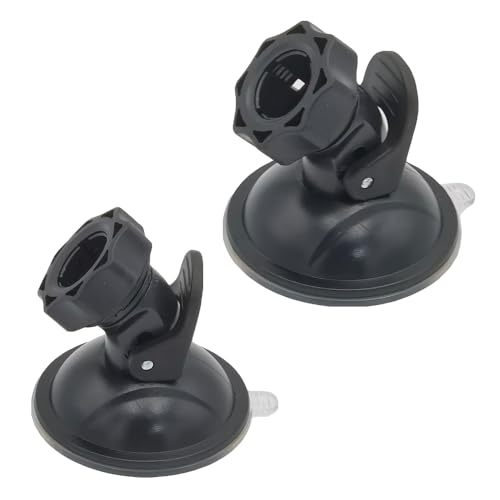
From an installation perspective, modern dash cams offer a spectrum from pure convenience to moderate hassle. The pros are significant: many units feature a simple suction cup or adhesive mount and a single power cable plugged into the vehicle's 12V socket. This makes for a truly DIY, tool-free setup in minutes.
However, for a permanent, clean installation, the process becomes more involved. The major con is the need to hardwire the device to the fuse box and route cables behind the vehicle's headliner and A-pillar trim. This often requires professional installation to ensure safety and avoid interfering with airbags.
Maintenance is generally low. The primary ongoing task is managing SD card storage. High-endurance cards are a must, and you must regularly format them within the camera to prevent corruption and ensure reliable loop recording. Some models offer cloud connectivity, adding convenience but often requiring a subscription.
Ultimately, the choice between convenience and hassle depends on your desired functionality. A simple plug-and-play setup works for basic recording, while a professionally hardwired installation is essential for parking mode features and a seamless, permanent look.
Choosing the Right Dash Cam for Your Needs
Choosing the right dash cam requires balancing its advantages against practical limitations. The primary pros are undeniable: objective evidence in accidents, protection against fraudulent claims, and potential insurance discounts. Modern models offer parking mode, which monitors your vehicle while parked, and GPS logging for speed and location data.
However, key cons must be considered. Privacy laws vary by region regarding audio recording and continuous footage. Extreme temperatures can damage electronics and batteries. Furthermore, a dash cam's field of view is limited; it may not capture events outside its lens, creating a false sense of total security.
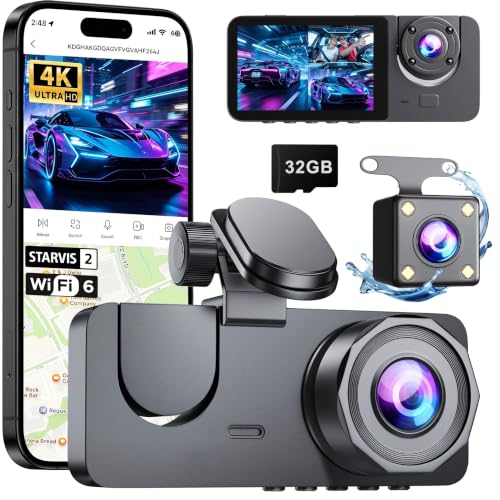
For an optimal choice, prioritize video quality (1080p minimum), reliable parking mode with a hardwiring kit, and a capacitor (not battery) for heat resistance. Assess your needs: daily commuters benefit from front-and-rear models, while ride-share drivers should consider interior-facing cams.
Final Verdict: Are Dash Cams Worth It?
After weighing the pros and cons, the verdict is clear: for most drivers, a dash cam is a worthwhile investment. The primary advantage is irrefutable evidence in accidents, protecting you from fraudulent claims and streamlining insurance processes. Modern models offer added features like parking mode, GPS logging, and driver alerts that enhance security and awareness.
The cons—cost, privacy considerations, and potential windshield obstruction—are generally manageable. Selecting a discreet model, understanding local recording laws, and viewing the cost as insurance mitigate these drawbacks.
Ultimately, a dash cam's value lies in transforming a "he-said-she-said" scenario into a factual record. For the price of a mid-range tire, it provides 24/7 digital witness that can save thousands in deductibles and premiums while offering critical peace of mind. It is one of the most cost-effective risk-management tools a driver can own.
Frequently Asked Questions
What is dash cam pros and cons and who should use it?
A: dash cam pros and cons is a solution designed to address a specific set of needs for a defined audience. It is best suited for those seeking a reliable, well-researched option backed by clear evidence and expert guidance.
How long does it take to see results with dash cam pros and cons?
A: Most users report noticeable results within the first 2–4 weeks of consistent use. Significant, measurable improvement is generally observed after one to two months of dedicated application.
Is dash cam pros and cons suitable for beginners or experienced users?
A: dash cam pros and cons is designed to accommodate a wide range of experience levels, from complete beginners to advanced practitioners. Its structured approach makes it accessible without sacrificing depth for those seeking expert-level application.
Can dash cam pros and cons be combined with other approaches or products?
A: Yes, dash cam pros and cons is generally compatible with complementary strategies and tools. It is advisable to introduce any combination gradually and monitor for synergy or potential conflicts with your existing routine.
What are the most common mistakes to avoid with dash cam pros and cons?
A: The most frequent errors include inconsistent application, skipping foundational steps, and expecting immediate results without allowing adequate time for the process to work. Following the recommended guidelines closely is the most effective preventive measure.
How does dash cam pros and cons compare to similar alternatives on the market?
A: dash cam pros and cons distinguishes itself through its evidence-based formulation, transparent ingredient or methodology sourcing, and a track record of user-verified outcomes. Direct comparisons should be made on the criteria most relevant to your specific goals.
Are there any limitations or side effects associated with dash cam pros and cons?
A: While dash cam pros and cons is formulated to minimize adverse effects, individual responses can vary based on specific sensitivities or pre-existing conditions. Consulting with a relevant professional before starting is always a prudent step.
What is the best way to get started with dash cam pros and cons?
A: The most effective starting point is to begin with a foundational assessment of your current situation, then follow the recommended introductory protocol for dash cam pros and cons. Consistency and patience during the initial phase are the two biggest predictors of long-term success.
Conclusion
Dash cams serve as an impartial witness on the road, offering significant benefits for drivers. The primary advantages include providing indisputable evidence in accidents to streamline insurance claims and legal proceedings, deterring fraud, and promoting safer driving habits. Features like parking mode can also offer peace of mind against vandalism or hit-and-runs while your vehicle is unattended. For many, the potential to save time, money, and stress makes a dash cam a valuable investment.
However, owning a dash cam is not without its considerations. The cons involve upfront costs, proper installation (especially for parking mode), and the responsibility of managing recorded footage, which includes privacy concerns for passengers and others. The footage is a double-edged sword and can be used against the owner if it captures their own error or traffic violation. Ultimately, the decision hinges on weighing the desire for security and evidence against the cost, effort, and privacy implications involved.