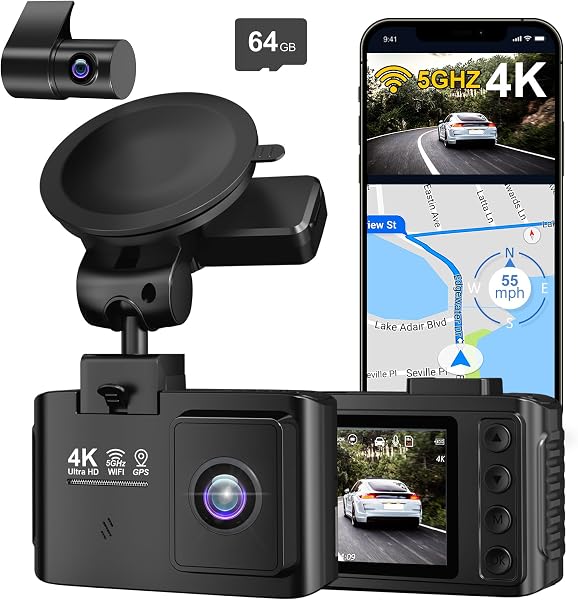
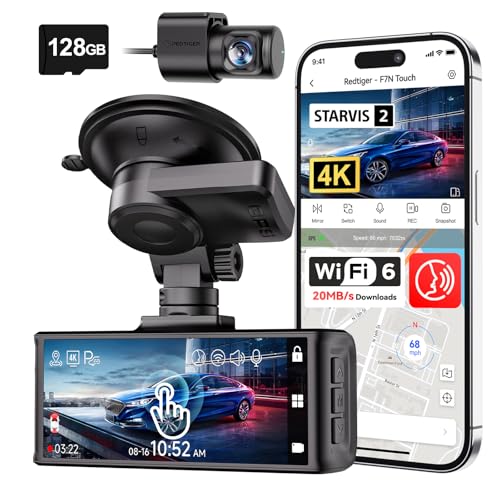
Determining the best place to mount dash cam hardware involves weighing the pros and cons of two primary locations: the rearview mirror stem and the top of the dashboard. Both positions offer distinct advantages regarding field of view, legal compliance, and heat exposure.
While many drivers simply place their camera wherever it is easiest to stick the adhesive, the placement significantly impacts the footage quality and the potential for accidental obstruction. Misalignment can lead to glare from the windshield or blocked views of oncoming traffic, making it a critical decision for every car owner.
This guide breaks down the technical and practical trade-offs of each location. By the end of this article, you will have a clear framework to decide where to install your device for maximum security and minimal distraction.
- Field of view and viewing angles
- Windshield glare and reflection management
- Legal restrictions and driver obstruction
- Ease of cable management and power routing
- Long-term durability regarding sun and heat exposure
Overview & Head-to-Head Summary

Rearview Mirror Mounting
Mounting a camera behind the rearview mirror is the most popular choice for modern drivers. It places the device out of the primary line of sight while ensuring it captures the road center-on. This position is highly discreet and often helps with compliance regarding 24/7 security features.
Dashboard Top Mounting
Mounting on the dashboard top allows for a lower perspective. This is sometimes necessary for vehicles with thick roof liners or sensor arrays (like rain sensors) behind the mirror. However, it can expose the unit to higher temperatures due to direct sunlight bouncing off the dash surface.
| Feature | Rearview Mirror | Dashboard Top |
|---|---|---|
| Visibility | High/Minimal | Moderate/Obstructive |
| Cable Management | Easier (Roof liner) | Harder (Requires clips) |
| Sun Exposure | Lower | Higher |
| Installation Complexity | Simple | Moderate |
Always verify your local state laws regarding obstructed windshield views, as some jurisdictions prohibit any device mounted in the center of the glass.
Key Differences & Core Features

Accessibility and Adjustment
The rearview mirror location is generally easier to adjust on the fly without reaching across the dashboard. Conversely, dashboard mounts are often stationary once applied, which can make fine-tuning the angle difficult without advanced wireless configurations.
Aesthetic and Stealth Factors
If you prefer a stealthy setup, the area behind the mirror is objectively better because it blends with existing vehicle hardware. Dashboard mounts are highly visible from the outside, which might deter theft but can also attract unwanted attention from passersby.
| Dimension | Rearview Mirror | Dashboard Top |
|---|---|---|
| Stealth Level | High | Low |
| Ease of Removal | Moderate | Easy |
| Vibration Stability | High (Frame mounted) | Variable (Surface dependent) |
Performance & Real-World Analysis

Optimizing for Glare and Reflections
Real-world testing shows that higher mounting points generally result in fewer dashboard reflections appearing in the video feed. When using nighttime recording modes, high mounting helps isolate the lens from localized light sources within the cabin.
Stability and Vibration Control
Testing your mount during high-sun hours is the best way to determine if your chosen spot suffers from excessive glare or internal heat-sync issues.
Best Use Cases & Ideal Scenarios

When Rearview Mirror Mounting Makes More Sense
This is ideal for most standard sedans and SUVs where a clean field of vision is required. If your camera includes additional battery management features, the mirror location is superior for routing cables behind the headliner.
When Dashboard Top Mounting Makes More Sense
Choose this if you drive a vehicle with a very small windshield rake or if your mirror assembly is too bulky to accommodate an adhesive bracket. It is also preferred for specialized cameras that need to capture interior cabin movement.
When It Genuinely Doesn't Matter
If you are using a basic entry-level camera with a wide-angle lens that encompasses the entire windshield, both locations will perform similarly for general accident recording.
Recommended Equipment & Solution
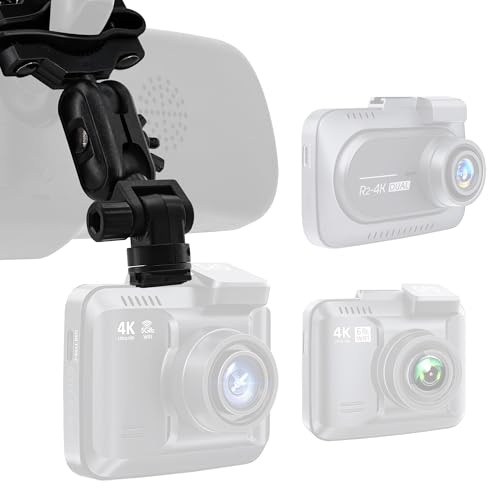
Triplinger Dash Cam Mount for Rove R2-4K
A reliable pick for Triplinger Dash Cam Mount, selected based on this article's guidance.

Dash Cam Mount,Rearview Mirror Bracket Installation Kit,16
A reliable pick for Dash Cam Mount,Rearview Mirror Bracket, selected based on this article's guidance.
Final Verdict & Decision Framework

Quick Decision Checklist
Does your vehicle have automatic rain-sensing wipers? If yes, avoid the mirror area to prevent sensor interference. Is your dashboard curved? If yes, avoid the dashboard mount as adhesive will fail prematurely.
Our Framework for Choosing
| Priority | Recommended Location |
|---|---|
| Minimal Obstruction | Rearview Mirror |
| Easy Access/Re-positioning | Dashboard Top |
| Hidden Wiring | Rearview Mirror |
Frequently Asked Questions
Is it illegal to mount a dash cam on the windshield?
A: Most states allow dash cams if they do not obstruct the driver's view of the road. Always place them in the top corners or behind the rearview mirror.
Can I move my dash cam after mounting it?
A: If you use adhesive tape, you will likely need to buy a new mount kit. Suction cups are designed to be moved repeatedly.
Does the dashboard heat damage cameras?
A: Yes, placing a camera on the dashboard can lead to direct heat soaking, which may cause image sensor degradation over time.
Can I hide the wires if I mount it on the dashboard?
A: It is difficult to hide wires on the dash, as they usually require unsightly cable clips across the trim.
Will the camera block my rain sensors?
A: Many modern cars have sensors behind the mirror. Be sure to check your owner's manual before applying adhesive in that area.
What is the best way to clean the glass before mounting?
A: Use high-percentage isopropyl alcohol to remove all oils and residue for a secure long-term bond.
Can I mount a dash cam on the passenger side?
A: Yes, if the lens is wide enough to capture the road center, the passenger side is an excellent way to keep the driver's view clear.
Should I use suction cups or adhesive?
A: Adhesive is far more reliable for long-term placement, while suction cups are better for temporary or rental vehicle use.
Key Takeaways
- 1 Rearview mirror mounting is the industry standard for minimizing obstructions.
- 2 Dashboard mounting increases the risk of glare and heat-related camera failure.
- 3 Always check local regulations regarding "obstructed view" laws.
- 4 Proper cable management is significantly easier when using the headliner route.
- 5 Use isopropyl alcohol to clean your windshield before any installation.
- 6 Avoid placing your dash cam in the deployment path of any airbags.
- 7 A polarizing lens filter is your best tool for managing reflections from either location.
Conclusion
Deciding where to place your dash cam is a balance between utility and vehicle aesthetics. While the rearview mirror mount is the most recommended position for the majority of drivers due to its discreet nature and cable management benefits, your specific vehicle model and state laws may dictate otherwise.
Remember that the best place to mount dash cam hardware is where it provides the clearest view of the road while causing the least amount of distraction. Assess your vehicle's interior layout before committing to an adhesive mount, and always perform a "dry run" with suction cups first.
Selecting the right location is the first step toward reliable incident documentation and enhanced driving security.