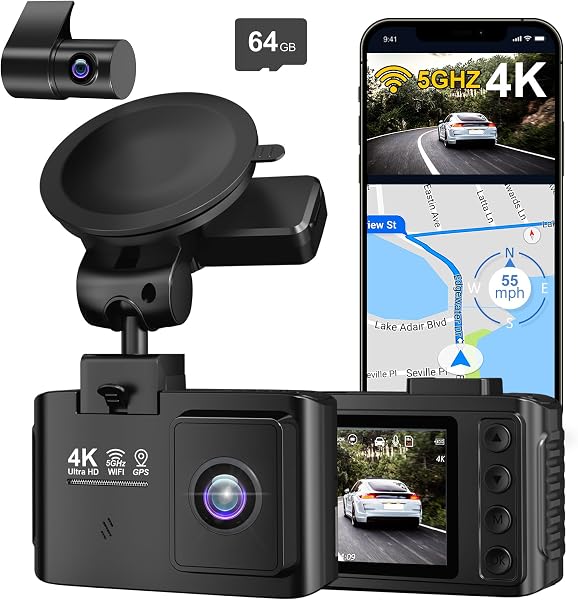
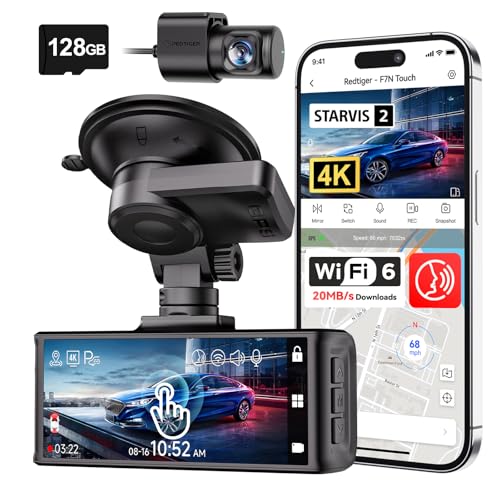
Determining the optimal location to place dashcam with safety sense is a critical task for 2026 vehicle owners, as the choice between mounting directly behind the rearview mirror or offset toward the passenger side of the safety sensor housing significantly impacts both camera field-of-view and the functionality of advanced driver-assistance systems (ADAS).
Modern vehicles are increasingly equipped with bulky camera and sensor arrays at the top of the windshield. Many drivers find themselves struggling to balance their desire for a centered, unbiased traffic perspective with the physical limitations imposed by these safety systems. Choosing the wrong spot can lead to visual obstructions or, more critically, software errors in lane-keeping and collision-warning systems.
This guide provides an analytical framework to help you decide which mounting strategy best suits your specific vehicle architecture and safety technology suite. By the end of this article, you will understand the trade-offs regarding visual coverage, sensor interference, and long-term installation stability.
- Visual coverage parity vs. sensor obstruction risks
- Impact on ADAS calibration and sensor reliability
- Ease of cable management based on mounting position
- Compliance with local windshield obstruction regulations
- Long-term durability and adhesive performance
Overview & Head-to-Head Summary

The Behind-the-Mirror Mounting Approach
Placing the device directly behind the center of the rearview mirror is the traditional choice for dashcam enthusiasts. It offers the most balanced perspective of the road, minimizing the "fish-eye" skew often seen when cameras are mounted to the extreme left or right of the windshield.
The Passenger-Side Sensor-Offset Approach
Mounting the camera offset to the passenger side of the safety sensor housing is often a necessity for vehicles with advanced Safety Sense or EyeSight systems. This approach prioritizes clear access for the manufacturer's integrated cameras while still capturing a high-definition view of the lane ahead.
| Feature | Behind-the-Mirror | Passenger-Side Offset |
|---|---|---|
| Perspective | Symmetrical/Centered | Slightly Angled |
| Sensor Risk | Higher | Lowest |
| Visibility | Hidden from Driver | Potentially Visible |
| Installation | More Complex | Easier Routing |
Always verify your car's manual regarding the "no-go" zones near the safety sensor housing to avoid triggering false ADAS alerts. For more on managing power while your car is stationary, see our guide on Do dash cams record when the car is off? Everything You Need to Know for 24/7 Security.
Key Differences & Core Features

Visual Coverage and Distortion
The core difference between these positions lies in lens geometry. A centered mount provides a balanced horizon line, which is critical for incident recreation. However, an offset mount is rarely detrimental in modern wide-angle dash cams, provided the angle is configured correctly.
ADAS Integration and Sensor Integrity
Safety systems like Toyota Safety Sense or Honda Sensing require a clear "field of view." Placing a dashcam too close to these sensors can cause infrared reflection or physical obstruction, potentially deactivating your vehicle’s automatic emergency braking or lane-tracing functions.
| Comparison Aspect | Behind-the-Mirror | Passenger-Side Offset |
|---|---|---|
| ADAS Impact | Significant Interference Potential | Minimal Interference |
| Cable Concealment | Difficult/Visible | Generally Better |
| Ease of Adjustment | Low (Tight Space) | High (Access) |
| Legal Compliance | Compliant in most states | Compliant |
For more technical details on choosing the right system for your needs, review Wired vs Wireless Baby Car Camera: Which One to Choose? (2025 Guide).
Performance & Real-World Analysis

Evaluating Line-of-Sight Efficiency
When testing, you must ensure that your wipers cover the area where the lens sits. If you mount the camera too high, the un-wiped portion of the windshield will compromise your footage during rain or snow.
Addressing Thermal and Vibrational Concerns
The area behind the mirror often experiences higher heat due to sensor clusters. High-quality adhesive mounts are essential here, as the vibrations from the engine can cause the camera to jitter if the mount is not rigid.
Performance remains optimal when the camera is placed where it shares the wiper range without encroaching on the Safety Sense field-of-view.
Best Use Cases & Ideal Scenarios

When Behind-the-Mirror Makes More Sense
If your vehicle has a small sensor housing or no Safety Sense suite, the centered mount is ideal. It provides the most aesthetic, stealthy installation that feels integrated into the vehicle's design. Learn about maintenance in How Does Baby Car Camera Work? Top 5 Systems for 2026 Reviewed.
When Passenger-Side Offset Makes More Sense
This is the superior choice for high-tech vehicles with large plastic sensor housings. It guarantees that your driver-assistance features—like adaptive cruise control—continue to function as intended by the manufacturer.
When It Genuinely Doesn't Matter
If you own an older model or a vehicle where the ADAS is located in the bumper or radiator grille rather than the windshield, the difference in placement is negligible. Choose the spot that offers the easiest cable routing for your specific setup.
Final Verdict & Decision Framework

Quick Decision Checklist
Before installing, ask yourself: Does the manufacturer advise against placing objects near the sensor cluster? If yes, offset is the only safe choice. Does the camera lens suffer from barrel distortion at an angle? If yes, use the center mount, provided it clears the sensors.
Our Framework for Choosing
| Priority | Recommended Position |
|---|---|
| ADAS Safety | Offset Mount |
| Symmetrical Footage | Centered Mount |
| Cable Ease | Offset Mount |
| Stealth/Aesthetics | Centered Mount |
Frequently Asked Questions
Can a dashcam interfere with my car's automatic braking?
A: Yes, if it is mounted too close to the sensor housing, the camera or its mount can trigger false positives or physically block the sensor's vision.
What is the "no-go" zone?
A: This is a designated area on your windshield, typically around the camera array, where the manufacturer explicitly forbids placing any accessories to maintain ADAS function.
Will mounting on the passenger side affect my footage quality?
A: Only slightly. Modern wide-angle lenses can compensate for the small offset, and legal requirements for crash footage do not mandate perfectly centered perspectives.
How do I verify the right spot?
A: Use painter's tape to hold the device in place and drive for a few days to ensure no ADAS system lights appear on your dashboard.
Is it better to hide the camera completely?
A: Hiding it behind the mirror is great for stealth, but ensure your view of the lens or the recording lights isn't completely blocked so you can monitor status.
Does the camera weight matter?
A: Yes, heavier units are more prone to vibrating if they are mounted on the plastic casing instead of the glass.
Should I use suction or adhesive?
A: Adhesive mounts are generally more secure and less prone to falling off, but suction cups allow for easier repositioning during your testing phase.
Are there legal restrictions?
A: Most jurisdictions allow dashcams as long as they don't significantly obstruct the driver's forward view.
Key Takeaways
- 1 Safety Sense sensors must take priority over your desired camera position.
- 2 Offset mounting is the most common solution for modern vehicles.
- 3 Always verify the wiper blade sweep area before final mounting.
- 4 Use temporary mounting for 48 hours to confirm system stability.
- 5 Centered mounts are aesthetically superior but carry higher sensor risk.
- 6 Consult your vehicle’s owner manual for specific ADAS sensor locations.
- 7 Reflection is a risk; ensure the dashcam lens doesn't catch windshield glint.
Conclusion
Choosing the optimal location to place dashcam with safety sense is not a one-size-fits-all process. The modern vehicle's sensor-heavy windshield requires a careful balance between camera positioning and the integrity of your car's safety features.
By assessing your vehicle’s specific sensor layout and testing your chosen spot with a temporary mount, you can ensure high-quality footage without compromising the technology that keeps you safe on the road. For additional resources, see Can baby car cameras see in the dark: Safe Nighttime Travel.
Take your time with the installation; a properly placed camera is a reliable silent witness for years to come.