Deciding what size memory card for car camera is best requires choosing between standard 64GB capacities and high-capacity 128GB or 256GB solutions. While many drivers assume more is always better, the right choice depends heavily on your daily commute and whether your camera supports high-bitrate recording.
Memory card selection is a frequent point of confusion because dash cams treat storage differently than digital cameras. Many users struggle to balance the need for long loop-recording windows with the reality that larger cards can sometimes experience more complex data corruption if not properly maintained.
This guide breaks down the technical trade-offs between standard-capacity cards and high-capacity storage. By the end, you will be able to determine which capacity aligns with your driving schedule and risk tolerance.
- Bitrate requirements per camera model
- Impact of recording resolution on file size
- Endurance vs. storage capacity trade-offs
- Reliability of high-capacity memory architecture
- Frequency of manual file offloading
Overview & Head-to-Head Summary
The 64GB Standard
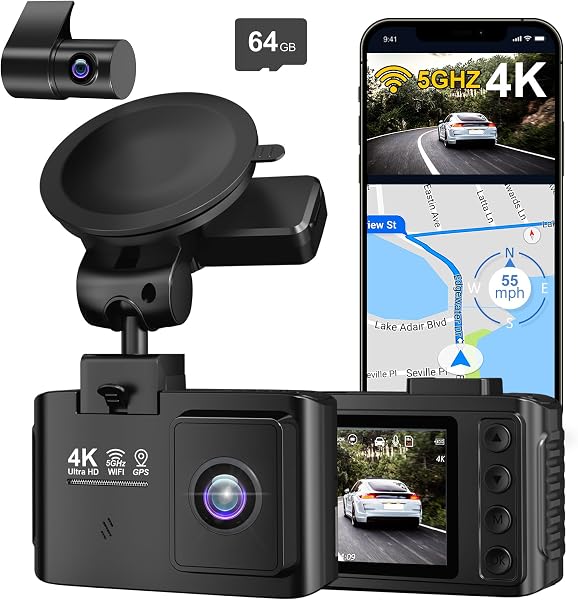
The 64GB card serves as the industry standard for most single-lens dash cams. It typically provides several hours of continuous recording before overwriting older footage, which is usually sufficient for daily commuters.
The 128GB+ High-Capacity Approach
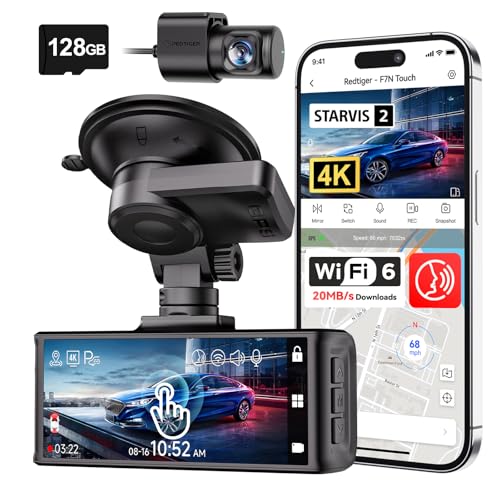
High-capacity cards (128GB and above) are designed for multi-channel systems (front, rear, and interior cameras) or for drivers who want a wider buffer to save footage from incidents occurring days prior. You can learn more about specific setup needs in our guide on how to hardwire a dash cam.
| Feature | 64GB Card | 128GB+ Card |
|---|---|---|
| Loop Capacity | Moderate | High |
| Write Endurance | Often Higher | Variable |
| Compatibility | Universal | Requires SDXC Support |
| Price Point | Budget-Friendly | Premium |
Always verify your dash cam's maximum supported card capacity in the manufacturer manual before purchasing to avoid compatibility errors.
Key Differences & Core Features

Endurance and Longevity
Memory cards are not created equal; for dash cams, "High Endurance" ratings are more important than total capacity. Smaller 64GB cards often use simpler memory controllers that may hold up better over thousands of overwrite cycles compared to dense, high-capacity cards.
Data Throughput and Resolution
Higher resolution (4K) recording demands higher bitrates. If your camera records at extreme bitrates, a 128GB card might be necessary just to ensure you aren't overwriting your loop every 30 minutes. Check our insights on battery life on dash cam to see how storage and power intersect.
| Metric | 64GB Profile | 128GB+ Profile |
| Write Speed | Standard | High (V30/U3 Required) |
| Overwrite Frequency | Frequent | Rare |
| Heat Tolerance | Consistent | Dependent on Controller |
Performance & Real-World Analysis

Evaluating Card Stability
When choosing, prioritize read/write stability. A card that fails during a critical event renders the capacity irrelevant.
Managing Data Loops
Dash cams rely on continuous overwriting. If the card is too large, it may take longer for the controller to map the storage, potentially increasing the chance of fragmented files.
Performance remains most stable when you stick to "High Endurance" branded cards specifically marketed for surveillance or dash cam use.
Best Use Cases & Ideal Scenarios

When 64GB Makes More Sense
This is the go-to for standard front-facing cameras and daily commuters who offload footage immediately if an incident occurs. It minimizes the risk of losing massive amounts of data should a single card file system become corrupted.
When 128GB+ Makes More Sense
Ideal for multi-camera setups, high-bitrate 4K recording, or road trippers who want to ensure footage is captured over several days without fear of overwriting.
When It Genuinely Doesn't Matter
If you have an automated cloud-backup or Wi-Fi offload system, your card capacity becomes a secondary concern because your data is synced elsewhere.
For more on specific recording setups, see our guide: Non GPS dashcam guide: Why privacy-focused drivers choose them.
Recommended Equipment & Solution
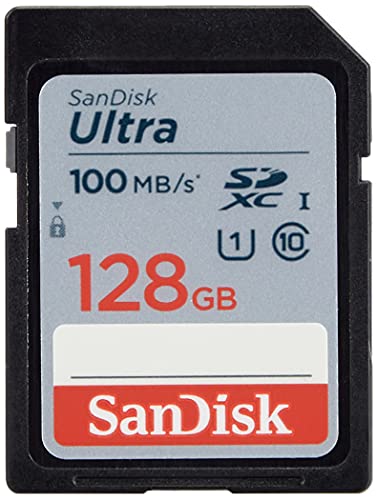
SanDisk 128GB Ultra SDXC UHS-I Memory Card
A reliable pick for SanDisk 128GB Ultra SDXC UHS-I, selected based on this article's guidance.

SANDISK 128GB Ultra SDXC UHS-I Memory Card
A reliable pick for SANDISK 128GB Ultra SDXC UHS-I, selected based on this article's guidance.
Final Verdict & Decision Framework
Quick Decision Checklist
Consider your primary objective: do you prioritize longevity and simplicity, or are you chasing extended recording windows?
Our Framework for Choosing
| Goal | Recommendation |
| Daily Commute | 64GB High Endurance |
| Multi-Cam/4K | 128GB+ High Endurance |
| Maximum Reliability | 64GB (Lower density) |
Frequently Asked Questions
What does "High Endurance" mean for a dash cam?
A: High endurance refers to cards designed to handle the constant read/write cycles of a dash cam, which wears out standard consumer-grade SD cards quickly.
Will a larger card make my camera slower?
A: In most cases, no, but an excessively large card can occasionally take longer to initialize on startup or during a system reboot.
Can I use a 512GB card in my dash cam?
A: You must check your manual; many dash cams have a hardware-based "max capacity" limit due to the FAT32 or exFAT file system implementation.
Why do I need to format the card in the camera?
A: Formatting the card inside the camera creates the correct folder structure and file allocation table specifically optimized for that camera's firmware.
How often should I replace my memory card?
A: For daily drivers, replacing a high-endurance card every 12 to 18 months is a safe practice to prevent hardware failure.
Does resolution affect what size I need?
A: Yes, 4K resolution files are significantly larger and will fill a 64GB card much faster than standard 1080p footage.
What happens if my memory card gets too hot?
A: Excessive heat can lead to write errors, corrupted video files, or the card being unmounted by the camera system.
Is there a downside to 128GB cards?
A: The primary downside is that some older or cheaper dash cam processors struggle with the indexing of very large storage volumes.
Key Takeaways
- 1 Always prioritize "High Endurance" ratings over raw gigabyte capacity.
- 2 Check your camera's manual to confirm the maximum supported card size.
- 3 Use 64GB cards for standard, front-only recording setups.
- 4 Opt for 128GB+ cards only if you are running multi-channel or 4K systems.
- 5 Format your SD card monthly to maintain file system integrity.
- 6 Avoid "generic" or unbranded memory cards to prevent critical recording failure.
- 7 Match your card speed (V30/U3) to your camera's bitrate requirements.
Conclusion
Choosing the right storage for your car camera is a balance of capacity and reliability. While larger cards offer longer recording buffers, the most important factor remains the card's ability to handle constant, repeated writes in harsh temperature conditions.
By sticking to reputable high-endurance brands and formatting your card regularly, you ensure that your evidence is safe when you need it most. For more configuration tips, explore our article on do dash cams record audio.
Selecting the correct memory size is a one-time setup that provides peace of mind for every mile driven.