When searching for the Best Dash Cam No WiFi: Top Picks for 2026 vs Alternatives, drivers are often choosing between dedicated offline recording systems and modern cloud-enabled smart cameras. This comparison navigates the fundamental divide between devices that prioritize air-gapped data security and those that leverage remote connectivity for convenience.
Many consumers find themselves caught between the simplicity of "set-it-and-forget-it" hardware and the allure of smartphone-integrated features. The primary point of confusion lies in how these two categories handle data retrieval, firmware updates, and privacy protections in modern vehicles.
This guide dissects the architectural differences, operational pros and cons, and real-world utility of both categories. By the end of this analysis, you will be equipped to make a data-driven choice based on your specific security and usability requirements.
- Data privacy and localized storage vs. cloud-based accessibility.
- Ease of firmware management and device maintenance.
- Initial setup complexity and ongoing user interaction.
- Long-term hardware reliability in varying climates.
- The trade-offs between instant alert notifications and physical data extraction.
Overview & Head-to-Head Summary

The Offline-First Philosophy
Dash cams without WiFi rely on physical media—usually microSD cards—for all data management. This approach appeals to users who prioritize data sovereignty and minimal digital footprint. These devices are generally robust and less prone to software conflicts associated with mobile app connectivity.
The Connected-Smart Ecosystem
Alternatively, cameras featuring WiFi/Cloud capabilities offer live viewing and remote incident reporting. While these offer greater convenience, they introduce dependencies on mobile device pairings and potential connection latency. Learn more about offline recording and privacy to see if you truly require a connected unit.
| Feature | Offline (No WiFi) | Connected (WiFi) |
|---|---|---|
| Data Access | Physical SD Card | App/Cloud Sync |
| Setup | Plug and Play | App Configuration |
| Privacy | High (Local) | Moderate (Cloud/Server) |
| Latency | None | Dependent on Network |
Key Differences & Core Features

Data Security and Architecture
The core difference lies in the attack surface. Offline cameras are physically isolated, making them immune to remote hacking attempts. Connected cameras, while often encrypted, provide a wireless interface that requires periodic security patching, similar to other smart home devices.
Maintenance and Lifecycle
Without WiFi, firmware updates for offline models must be performed manually via a PC. While this is less convenient, it ensures that your camera remains static and predictable. You can read about common pitfalls in our analysis of common problems with Fitcamx and similar models to understand how physical vs. digital maintenance differs.
| Category | Manual/Offline System | Networked System |
|---|---|---|
| Updating | Manual (SD Card) | Over-the-Air (OTA) |
| Alerts | Physical/Audible Only | Push Notifications |
| Recovery | Direct File Access | Cloud Backup |
Performance & Real-World Analysis

Testing Reliability Under Load
Performance in high-heat environments or during long-duration recording can vary. Offline units often handle extreme temperatures better because they lack internal wireless chipsets that generate additional heat.
Consistency and User Experience
Best Use Cases & Ideal Scenarios

When Option A Makes More Sense
If you prioritize a permanent, discreet installation and do not want to manage app permissions, offline models are your ideal match. They are perfect for commercial fleets or personal vehicles where simplicity is paramount.
When Option B Makes More Sense
Connected units are excellent for those who want instant confirmation that their camera is recording or who need to share footage quickly with insurance agents via a smartphone.
When It Genuinely Doesn't Matter
For casual drivers who simply want to ensure they have an accident record, both options perform the foundational task of recording high-definition video equally well. For those interested in advanced setups, check out our insights on 4-channel mirror cameras.
Recommended Equipment & Solution

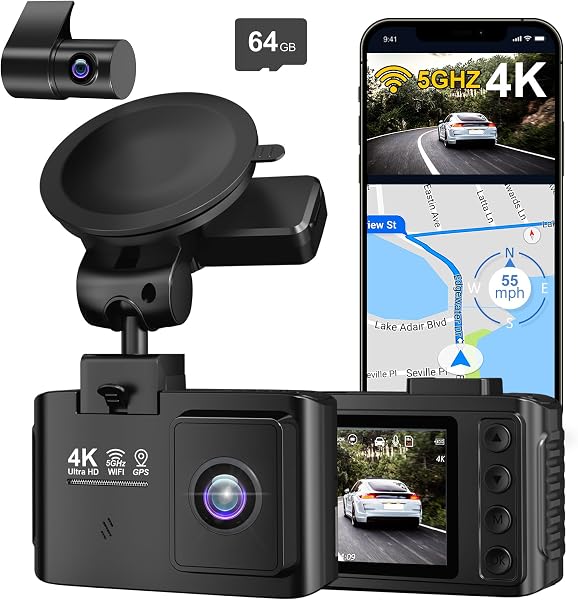
3 Channel 4K Dash Cam with 5GHz
A reliable pick for 3 Channel 4K Dash Cam, selected based on this article's guidance.

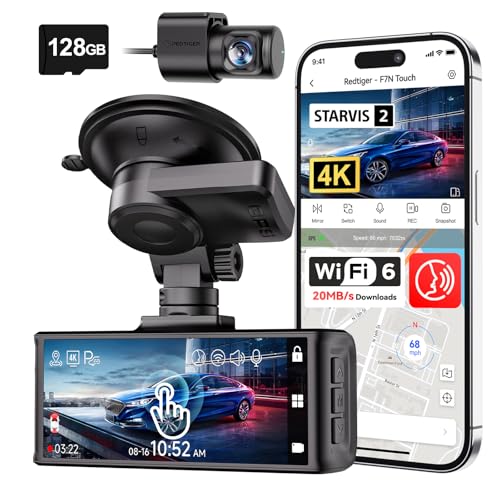
4K Ultra HD Channel Dash Camera
A reliable pick for 4K Ultra HD Channel Dash, selected based on this article's guidance.
Final Verdict & Decision Framework

Quick Decision Checklist
Ask yourself: Is my priority privacy and set-it-and-forget-it reliability, or is it ease of footage sharing and remote notification?
Our Framework for Choosing
| Goal | Recommended Path |
|---|---|
| Max Privacy | Offline Unit |
| Convenience | Connected/WiFi Unit |
| Fleet Use | Offline Unit |
Frequently Asked Questions
Do all dash cams need WiFi?
A: No, many high-quality dash cams are designed specifically to operate offline, using only internal storage.
Is it harder to get footage off an offline camera?
A: It requires a physical connection to a computer or SD card reader, which is slightly slower than wireless transfers.
Are WiFi dash cams less secure?
A: They aren't inherently insecure, but they do require proper password management and firmware updates to stay safe.
Do I need a special app for offline cameras?
A: Generally no, they operate as mass storage devices accessible by any standard computer.
Can I add WiFi to a non-WiFi dash cam?
A: No, wireless capabilities are hardware-dependent and cannot be added after purchase.
Which is better for extreme cold?
A: Offline models often perform better as they have less active hardware to manage during cold starts.
Will I miss features without WiFi?
A: You will lose out on live previews and cloud backups, but your core recording features will remain fully functional.
Is there a difference in video quality?
A: Video quality depends on the sensor and processor, not the presence of a WiFi module.
Key Takeaways
- 1 Offline dash cams provide superior data privacy through physical isolation.
- 2 WiFi dash cams offer unmatched convenience for rapid file sharing.
- 3 Connectivity does not equate to better image quality; check sensor specs instead.
- 4 Physical maintenance is required for offline units, whereas connected units use OTA updates.
- 5 Evaluate your technical comfort level when choosing your device architecture.
- 6 High-endurance storage is critical for both types of hardware.
- 7 The best dash cam is one that you maintain properly regardless of its connectivity status.
Conclusion
The debate between offline and connected dash cams ultimately comes down to your personal workflow preferences. If you value a "plug and play" experience with maximum privacy, offline models remain the industry standard for reliability. If, however, you rely on immediate smartphone notifications, connected units are hard to beat.
We recommend reflecting on your daily routine: do you prefer handling SD cards once a month, or do you want the ability to check your car from your phone at any time? For further reading on high-end hardware, consult our dual-facing camera review to see which features you might want regardless of connectivity.
Choose based on your need for connectivity today, keeping in mind that the best dash cam is one you actually trust to record consistently.
📌 Pillar Resource: Read our complete complete Best Dash Cam No WiFi: Top Picks for 2026 review for in-depth insights.