Navigating the Common Problems with Fitcamx 4K Dash Cam Long Term Review 2026 and Fixes is essential for owners who want to maintain optimal performance from their vehicle-integrated camera systems.
This guide is designed for automotive enthusiasts and everyday drivers who have already installed their units and are looking to optimize reliability. It assumes a basic comfort level with vehicle interior electronics and mobile app settings.
By the end of this educational guide, you will be able to identify recurring technical issues, implement field-tested firmware updates, and perform preventive maintenance that extends the lifespan of your Fitcamx hardware.
- Understanding power stability and cable integrity.
- Managing SD card compatibility to prevent loop recording failure.
- Mastering the Fitcamx mobile application interface for settings management.
- Implementing firmware update best practices to resolve software bugs.
- Long-term environmental considerations for internal dash cam longevity.
Overview & Prerequisites

Required Tools and Knowledge
To address the Common Problems with Fitcamx 4K Dash Cam Long Term Review 2026 and Fixes, you will need a stable Wi-Fi connection, a laptop for potential firmware transfers, a high-endurance microSD card, and a plastic trim removal tool if hardware checks are required. Basic knowledge of how to access the vehicle's fuse box or light sensor housing is also recommended.
Target Audience Requirements
This guide is intended for current Fitcamx owners. If you are still in the early stages of setup, we recommend reviewing Step-by-Step: How to Setup, Configure & Master Fitcamx 4K Dash Cam Long Term Review 2026 to ensure your initial installation was performed correctly.
Core Concepts & Fundamentals

Understanding Storage and Loop Integrity
The primary source of failure in many 4K systems is the reliance on substandard memory cards. High-bitrate 4K footage requires a U3/V30 rated card. When these cards reach their write-cycle limit, they often cause the camera to stop recording without warning.
Firmware as a System Stabilizer
Unlike traditional dash cams, Fitcamx integrates into the vehicle's existing harness. Because of this integration, firmware updates are crucial to maintain compatibility with updated vehicle software protocols. Understanding the difference between a "glitch" and a "firmware incompatibility" is vital for long-term ownership.
| Scenario | Incorrect Mental Model | Expert Insight |
|---|---|---|
| Camera Hotspot Drop | Hardware is broken | Network interference/Smartphone settings |
| Video Corruption | Cheap SD card is fine | Requires High-Endurance V30/U3 cards |
| App Connection Fails | The app is buggy | Permissions or VPN interference |
For more comparisons regarding device performance in this category, check out Fitcamx 4K Dash Cam Long Term Review 2026 vs Top Competitors: Which is Best?
Step-by-Step Execution Guide

Preparation Phase
Before executing any hardware fixes, ensure you have a clean slate by formatting your current SD card inside the camera menu. Verify that your smartphone operating system is up to date.
Execution Phase
Recommended Equipment & Solution

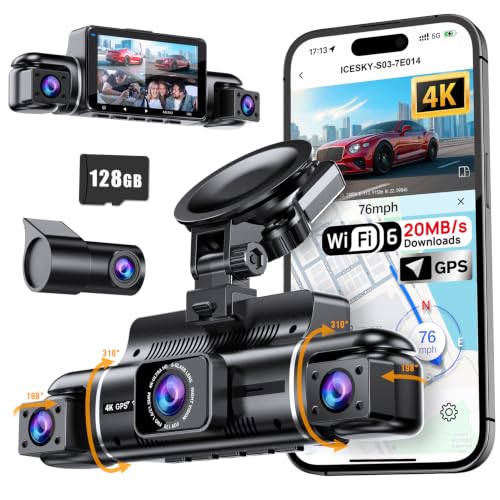
Fitcamx 4K Dash Cam Suitable for Toyota
A reliable pick for Fitcamx 4K Dash Cam Suitable, selected based on this article's guidance.

Fitcamx 4K Dash Cam Suitable for RAM
A reliable pick for Fitcamx 4K Dash Cam Suitable, selected based on this article's guidance.
Best Practices & Pro Tips

Environmental Hardening
Dash cams in 2026 face extreme interior temperature fluctuations. Parking in shaded areas or using a windshield sunshade can significantly extend the life of your image sensor and internal battery components.
Preventive Data Management
Perform a manual formatting of your microSD card every 3-6 months. This prevents file system fragmentation, which is a leading cause of recording errors in high-bitrate 4K systems.
Troubleshooting & Common Pitfalls

Diagnostic Logic
When the camera stops functioning, follow a diagnostic hierarchy: Power -> Storage -> Connection -> Software. If the unit does not power on at all, verify the fuse tap or integration cable connection at the sensor housing.
Avoiding Recurring Failures
Many common issues can be avoided by ensuring the camera is not installed in a way that blocks internal cabin sensors or rain-sensing hardware.
Frequently Asked Questions
Why does my camera disconnect during file transfer?
A: This usually happens due to phone-side Wi-Fi settings prioritizing cellular data over the camera's hotspot. Disable cellular data temporarily to maintain a stable connection.
How long should an SD card last in this device?
A: Given the 4K bitrate, a high-endurance card typically lasts 12-18 months with daily driving. Replacing it annually is a solid preventive measure.
Does the Fitcamx affect vehicle warranties?
A: Because it uses a plug-and-play harness, it is generally considered non-invasive. However, consult your specific vehicle manufacturer’s guidelines.
Why is the video quality blurry after a few months?
A: Dust or oil from cabin cleaners on the lens is the most common culprit. Use a microfiber cloth to gently clean the lens periodically.
Can I use a 512GB SD card?
A: Check your specific model’s manual, but most current units are capped at 128GB or 256GB. Exceeding this can lead to write errors.
Why does the unit get hot to the touch?
A: The processor for 4K encoding generates significant heat. This is normal unless the unit begins to shut down frequently.
Is there a way to reset to factory settings?
A: Yes, there is usually a small recessed reset button on the side or bottom of the unit. Use a paperclip to hold it for 5-10 seconds.
Why are time stamps incorrect?
A: Time stamps sync with your smartphone. Open the app to force a sync if the vehicle has been sitting for an extended period.
Key Takeaways
- 1 Always use V30/U3 rated high-endurance microSD cards to prevent write-cycle failures.
- 2 Firmware updates should be applied when the vehicle is in accessory mode, not while starting the engine.
- 3 Smartphone Wi-Fi settings often cause "connection lost" errors; disable cellular data to stabilize the link.
- 4 Regular lens cleaning is required to maintain 4K clarity in dusty environments.
- 5 Formatting the SD card every 3-6 months prevents file system fragmentation.
- 6 Use specific, manufacturer-approved firmware to avoid "bricking" the camera unit.
- 7 Physical inspection of the wiring harness ensures long-term power delivery stability.
Conclusion
Mastering the maintenance of your Fitcamx system ensures that you have reliable evidence should the need arise. By following the protocols outlined in this guide, you move from reactive troubleshooting to proactive system management.
If you encounter hardware-specific issues that persist after following these steps, reach out to official support channels with your logs ready. For more on related automotive electronics, you may want to review Auto Vox S36 Max Review: Best Wireless Backup Cameras Compared to see how other systems handle integration challenges.
Routine maintenance is the key to longevity; treat your dash cam like any other critical component of your vehicle’s safety system.
📌 Pillar Resource: Read our complete Fitcamx 4K Dash Cam Long Term Review 2026 master hub for in-depth insights.