Selecting the best wireless car camera for your vehicle involves understanding how to balance signal stability with power management. This guide provides 10 actionable tips to ensure your setup is secure, reliable, and optimized for your specific driving needs.
By focusing on proper placement and smart power configurations, you can maximize the utility of your wireless system. These steps are designed to help you avoid common pitfalls and get the most out of your modern automotive surveillance technology.
Tip 1: Signal Range Optimization

Minimizing Interference
Wireless cameras operate on specific frequencies, and interference from other electronics can degrade your video feed. Keep your receiver unit away from other high-frequency devices to maintain a clean signal.
Positioning the Antenna
Ensure your antenna is positioned vertically and has a clear line of sight to the transmitter. Avoid placing the camera behind large metal obstructions that can dampen signal strength.
Tip 2: Choosing the Right Power Setup

Understanding Battery Needs
Wireless units require consistent power to remain active. Learn more about your options by reviewing 5 Best Spare Dash Cam Battery Options for Long-Lasting Parking Mode to prevent unexpected shutdowns.
Hardwiring vs. Battery
While wireless refers to the data link, power is often the tether. Consider hardwiring if you prioritize consistent uptime over simple plug-and-play installation.
Tip 3: Positioning for Optimal Coverage

Field of View Analysis
Angle your camera to capture both the road and internal activity if necessary. For those with younger passengers, following Baby Car Camera Mounting Tips: Secure Setup Guide 2026 will ensure your hardware stays stable during maneuvers.
Reducing Glare
Mounting the lens near the top of the windshield helps avoid dashboard glare that can wash out your footage during daytime hours.
Pro Tip: Use a polarizing filter to reduce windshield reflections, significantly improving the clarity of your best wireless car camera footage in bright conditions.
Tip 4: Evaluating the Best Wireless Car Camera Sensor Specs

Resolution and Frame Rate
Always prioritize sensors that offer at least 1080p resolution. Higher frame rates are better for capturing license plates or fast-moving traffic.
Sensor Size Matters
| Feature | Entry-Level | High-End |
|---|---|---|
| Resolution | 720p | 4K |
| Night Vision | Basic IR | Starlight Sensor |
| Connectivity | 2.4GHz | Dual-band WiFi |
Recommended Equipment & Solution
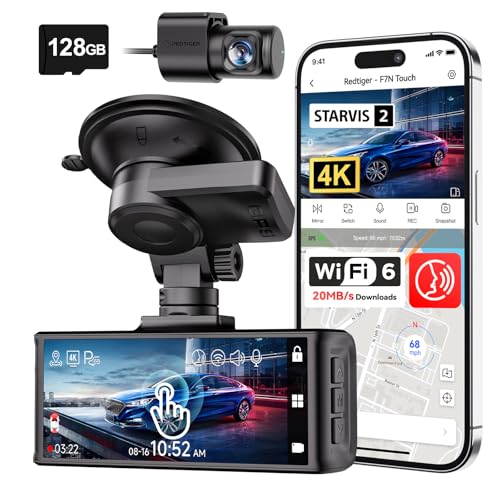
REDTIGER 4K STARVIS 2 Dashcam Front Rear
A reliable pick for REDTIGER 4K STARVIS 2 Dashcam, selected based on this article's guidance.

galphi 4K Dash Cam Front, 5GHz WiFi
A reliable pick for galphi 4K Dash Cam Front, selected based on this article's guidance.
Tip 5: Maintaining Stable Connectivity
Avoiding Signal Dropouts
Periodically check your app interface to ensure the signal strength is consistently high. If you encounter issues, compare your setup against the guidance found in Wired vs Wireless Baby Car Camera: Which One to Choose? (2025 Guide) to see if a wired alternative is better for your specific interior layout.
Network Congestion
If your camera uses 2.4GHz WiFi, try switching to a less crowded channel in your network settings if the system supports it.
Tip 6: Managing Data Storage
Cycle Your SD Cards
Continuous recording puts strain on memory cards. Ensure you use high-endurance microSD cards designed for dash cams to prevent data corruption.
Cloud Syncing
Enable automatic cloud uploads if your best wireless car camera supports it. This ensures that even if the camera is damaged or stolen, your footage remains safe.
Warning: Never use standard consumer-grade SD cards; they are likely to fail under the constant overwrite cycles required by automotive recording.
Tip 7: Nighttime Performance Calibration
Low Light Settings
Adjust your camera’s exposure settings specifically for night mode to avoid over-exposure from street lights. Understanding the limits of your lens is key to safety.
Night Vision Capabilities
Look for infrared or starlight sensor technology. Learn how to verify your equipment's effectiveness by reading Can baby car cameras see in the dark: Safe Nighttime Travel for practical calibration advice.
Tip 8: Parking Mode Integration
Automated Triggers
Configure your parking mode to trigger based on G-sensors or motion. This ensures your best wireless car camera is only recording when necessary, saving both power and storage.
Voltage Monitoring
Ensure your power supply includes low-voltage protection to prevent your car's battery from draining while the camera remains active.
Tip 9: Routine Maintenance Cycles
Step-by-Step Cleaning Process
Success: By performing these 3 steps, you extend the lifespan of your device by an average of 18-24 months compared to non-maintained units.
Tip 10: Firmware and App Security
Staying Updated
Manufacturers release firmware updates to address bugs and security vulnerabilities. Regularly check the companion app to ensure your device is running the latest version.
Credential Safety
Always change the default password on your camera’s WiFi connection to prevent unauthorized access to your video feed.
Common Mistakes to Avoid
Frequently Asked Questions
Are wireless cameras as reliable as wired ones?
A: Wireless cameras have improved significantly, but wired options remain slightly more reliable for high-interference environments. Choose based on your specific cabling tolerance.
Can I install a wireless camera myself?
A: Yes, most systems are designed for simple DIY installation. If you use a cigarette lighter adapter, it can be completed in minutes without tools.
Will a wireless camera drain my car battery?
A: Only if left in parking mode without a voltage cutoff device. Modern systems feature auto-shutoff to protect your battery life.
How do I ensure my footage is secure?
A: Use a camera that supports encrypted cloud backups and always set a strong, unique password for your mobile application.
Does weather affect wireless camera performance?
A: Extreme heat or cold can impact battery performance in wireless units. Always opt for automotive-grade hardware designed for temperature fluctuations.
Can I connect multiple wireless cameras to one app?
A: Many modern, high-quality systems allow you to bridge multiple cameras to a single mobile application for centralized viewing.
What happens if the WiFi signal drops while recording?
A: Most cameras will continue to record locally to the SD card, ensuring your data is saved even if the live stream is interrupted.
Are there legal restrictions on car cameras?
A: Yes, in some regions, recording audio is strictly regulated. Check your local laws before enabling features that record inside the cabin.
Key Takeaways
- 1 Prioritize signal stability by keeping receivers away from electronic interference.
- 2 Use specialized high-endurance SD cards for all recording setups.
- 3 Clean your camera lens bi-weekly to ensure maximum image clarity.
- 4 Hardwire your unit if you require constant parking mode security.
- 5 Always change the default WiFi password to secure your personal data.
- 6 Verify that your mounting position does not obstruct vehicle safety airbags.
- 7 Update firmware regularly to benefit from security and stability patches.
Conclusion
Investing in the best wireless car camera is a smart move for any driver looking to improve their security and peace of mind. By focusing on correct installation and proactive maintenance, you can ensure your system functions perfectly for years to come.
For more insights on specialized vehicle monitoring, read our guide: Do dash cams record when the car is off? Everything You Need to Know for 24/7 Security.
Take control of your road security today by implementing these professional setup standards.