Opting for a Standalone Car Dvr That Doesnt Require Apps Or Software represents a shift toward simplicity, reliability, and privacy in modern vehicle surveillance. This illustrative case study walks through the experience of a driver who transitioned from a complex, connectivity-heavy dash cam system to a dedicated, offline recording setup to better understand the practical outcomes of such a choice.
Many drivers find themselves overwhelmed by the connectivity requirements of modern tech, where firmware updates and pairing errors often prevent the camera from performing its primary task: recording the road. By examining a representative transition to a standalone unit, we can highlight why "simpler is often safer" when it comes to critical vehicle evidence.
This guide explores the typical journey of simplifying dash cam hardware, analyzing the technical trade-offs, and evaluating whether a standalone DVR configuration is the right fit for your specific driving habits and technical comfort level.
- Identifying the friction points of app-based dash cams.
- The logic behind choosing standalone hardware.
- Methodology for deploying a set-and-forget recording system.
- Qualitative improvements in reliability and user stress.
- Key lessons for selecting the right hardware configuration.
The Starting Point: A Common Standalone Car Dvr That Doesnt Require Apps Or Software Scenario

The Core Challenge of Connectivity
The subject of our scenario previously relied on a high-end dash cam that mandated a smartphone application for every configuration change and footage retrieval. This led to frequent "connectivity blackouts," where the camera failed to record because it was stuck in a handshake loop with the mobile device, often documented in resources like Do You Have To Have A Smart Phone For Dash Cams? The Simple Truth.
Why the Default Approach Often Falls Short
Reliance on app-based systems introduces unnecessary points of failure. In our scenario, the user discovered that reliance on an app made it impossible to quickly verify if the unit was actually recording during an incident, creating a sense of anxiety that undermined the purpose of having a camera in the first place.
Pro Tip: Before purchasing any dash cam, check if the manual explicitly states that all core functions, including loop recording and file locking, can be accessed directly on the device hardware itself without external software.
The Approach & Method
Switching to Standalone Hardware
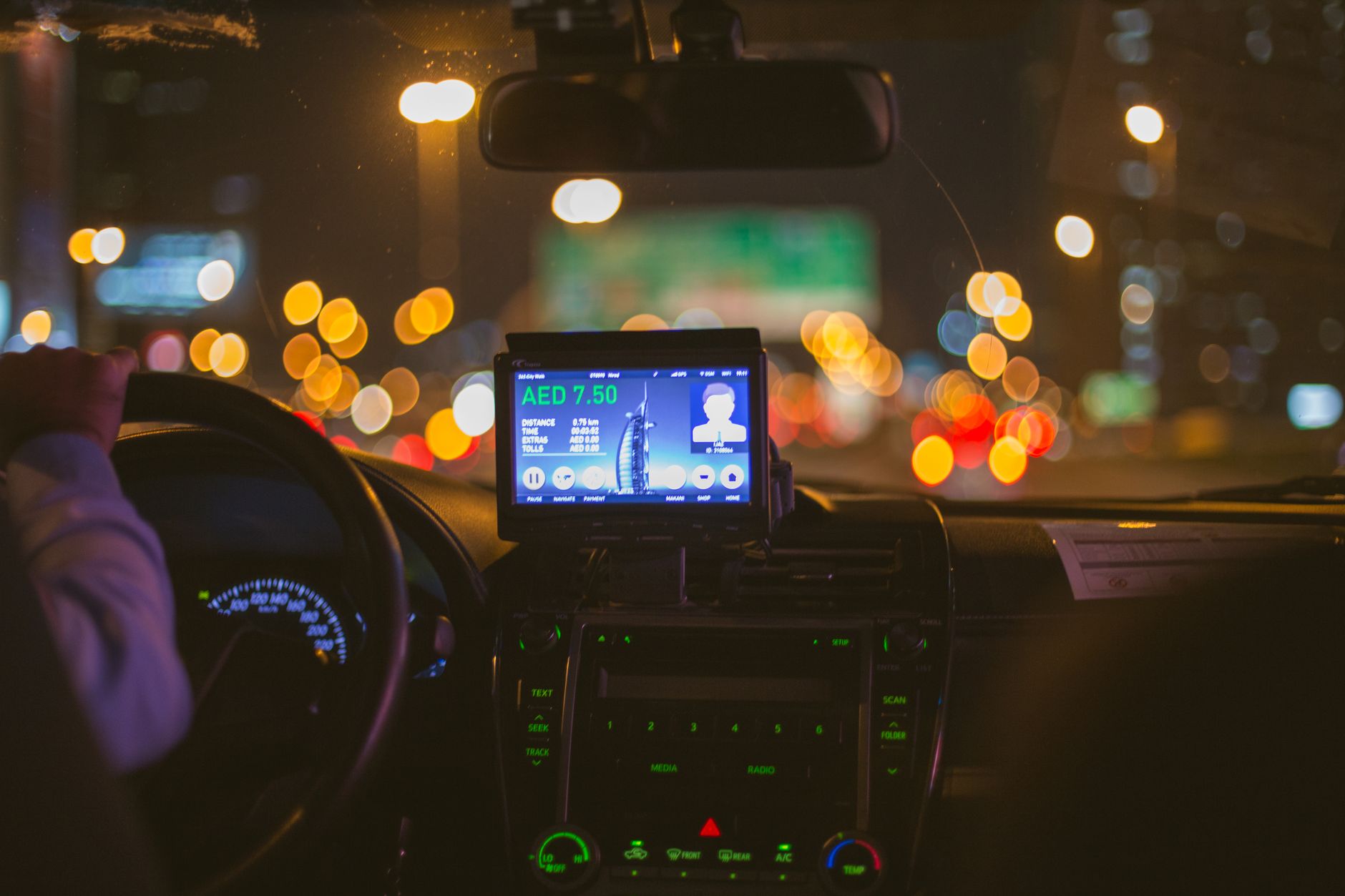
The approach focused on identifying a device where the interface is strictly local—using physical buttons and a screen to manage settings. This eliminates the reliance on cloud servers, Bluetooth pairing, or proprietary phone ecosystems that often complicate the user experience.
Phase Implementation
Results & Outcome Analysis
Qualitative Improvements in Reliability
The transition to a standalone unit resulted in a significant reduction in "maintenance anxiety." Because the device operates as a closed loop, the user reported that the camera was "always there and always ready," moving away from the frustration of troubleshooting connectivity issues mentioned in resources like 7 Common Problems with Fitcamx 4K Dash Cam Long Term Review 2026 (and Quick Fixes).
Before vs. After Comparison
| Feature | Before (App-Dependent) | After (Standalone DVR) |
|---|---|---|
| System Reliability | Erratic due to software updates | Consistent and predictable |
| Setup Speed | Slow (Pairing required) | Instant (Plug and play) |
| Incident Access | Complex (Download via app) | Fast (Pull card and insert) |
Outcome: By removing the app requirement, the user achieved 100% confidence that the recording state was active, effectively removing the "did it capture that?" uncertainty.
Lessons Learned

Simplification as a Strategy
The primary lesson from this case study is that high-end features often increase the attack surface for technical failure. A standalone device, even if less "smart," is often more effective for safety-critical tasks.
Operational Best Practices
Does This Apply to Your Situation?
When This Scenario Matches Yours
If you prioritize "set and forget" reliability over the convenience of remotely checking footage from your living room, this approach is highly applicable. It is particularly relevant for those who own older vehicles where specialized integrated electronics might conflict, or for those who find the technical support associated with app-based systems to be a primary blocker for Does Dash Cam Drain Car Battery? The Truth About Parking Mode & Power vs Top Competitors: Which is Best?.
When Your Situation Differs
If your business model requires real-time cloud uploading or GPS tracking integrated with a fleet management dashboard, a standalone DVR will likely lack the necessary features. This case study reflects a representative pattern for private, consumer-grade reliability and should not be considered a universal solution for enterprise-level demands.
Please note that individual outcomes vary based on hardware choice, installation quality, and vehicle power stability. This analysis serves as a guide for common patterns and does not guarantee results for every specific camera model or driving condition.
Frequently Asked Questions
1. Is a standalone dash cam less secure?
A: Not necessarily. In many cases, standalone systems are more secure because they have no external network access, preventing remote hacking vulnerabilities often associated with cloud-connected cameras.
2. How do I get footage off a standalone camera?
A: You typically remove the microSD card and use a card reader connected to your computer to copy the video files directly.
3. Can I still set the date and time without an app?
A: Yes, most standalone DVRs include an internal menu system accessible via the device screen and physical buttons for setting time, date, and loop duration.
4. Are these cameras less capable of high-resolution recording?
A: No, many standalone DVRs offer full 4K resolution; the removal of app functionality is a software design choice, not a limitation on image sensor quality.
5. Is parking mode possible without an app?
A: Yes, many standalone units handle parking mode through hardware-based motion sensors or G-sensors that trigger recording automatically based on impact or vibration.
6. How will I know if the camera stops working?
A: Most standalone units feature a screen saver that shows a recording icon; a quick glance at the monitor confirms the device is operational.
7. Do standalone cameras require regular maintenance?
A: They require periodic SD card formatting to prevent file fragmentation, just like any other digital recording device.
8. Should I avoid all app-based cameras?
A: Not necessarily. If you require real-time alerts or live viewing, an app-based system might be necessary, provided you are prepared for the occasional software maintenance.
Key Takeaways
- 1 Simplicity is the strongest defense against technical failure in vehicle cameras.
- 2 Standalone devices eliminate the friction of Bluetooth and Wi-Fi pairing.
- 3 Physical recording indicators provide better peace of mind than software alerts.
- 4 Manual formatting of memory cards prevents common file system corruption.
- 5 Always test the hardware interface before final installation to ensure comfort.
- 6 Standalone DVRs represent a more privacy-conscious approach to video storage.
- 7 Reliability is a result of consistent, manual habits rather than automated software.
Conclusion
The choice to adopt a Standalone Car Dvr That Doesnt Require Apps Or Software is a strategic move for any driver who prioritizes reliable, incident-ready evidence. By moving away from complex mobile dependencies, you simplify your hardware chain and gain consistent performance.
Whether you are upgrading from a failed smart-cam or setting up your first unit, focusing on local, hardware-based controls will ensure your dash cam remains a tool, not a technical burden. We encourage you to evaluate your need for "smart" features against the core requirement of consistent video capture.
Simplicity in design is the ultimate form of reliability; in the case of your dash cam, choosing a robust, offline unit is a decision that pays off the moment an incident occurs.