Achieving cinematic, vibration-free footage requires a reliable Best 360 Camera Stick for Car — Top Suction Mounts for Insta360 & GoPro Sizing & Specs Checklist to ensure your equipment remains secure at high speeds.
This guide is designed for automotive content creators and casual road-trippers who demand professional-grade stability. We assume you are familiar with standard camera mounting interfaces, though we walk through every technical consideration regardless of your prior experience level.
By the end of this guide, you will be able to select the correct mount for your specific vehicle geometry, understand how to calculate weight tolerances, and execute a high-speed mounting procedure that protects your expensive optics.
- Understanding suction physics and surface preparation.
- Matching stick length to vehicle exterior dynamics.
- Weight capacity vs. camera center of gravity.
- Safe tethering protocols for high-speed use.
- Checklist for post-drive maintenance and storage.
Overview & Prerequisites

Required Tools and Equipment
To implement the Best 360 Camera Stick for Car — Top Suction Mounts for Insta360 & GoPro Sizing & Specs Checklist, you need the mount, a microfiber cloth, isopropyl alcohol for surface preparation, and a verified safety tether. Always ensure your hardware is compatible with the standard 1/4"-20 threading common to these action cameras.
Defining Your Skill Level
This guide assumes a foundational understanding of photography equipment. You should be comfortable securing sensitive electronics and performing basic maintenance on your vehicle's exterior surface to ensure maximum suction performance.
Core Concepts & Fundamentals

Understanding Suction Dynamics
The primary mechanic for any 360 camera mount is the vacuum seal. The effectiveness of this seal depends heavily on surface temperature, cleanliness, and the curvature of the mounting point. A properly maintained suction cup utilizes atmospheric pressure to hold steady against wind resistance.
Center of Gravity and Vibration
When using an extension stick, the leverage increases exponentially. A camera mounted on a 3-foot pole exerts significantly more torque on the suction base than a flush-mounted camera. Understanding this balance is key to ensuring that you don't compromise your setup during spirited driving.
| Feature | Correct Approach | Incorrect Approach |
|---|---|---|
| Surface Prep | Clean with 90% Alcohol | Wiping with a dusty rag |
| Pole Length | Shortest possible for shot | Over-extending for "cool factor" |
| Tethering | Always used | Assuming suction is invincible |
For more on managing electrical draw while using these cameras, read Does a 24hr wiring kit for a dash cam drain the battery? The Truth Revealed.
Step-by-Step Execution Guide

Preparation Phase
Before leaving the garage, ensure all mounting hardware is tightened and free of debris. A minor scratch on the rubber gasket of the suction cup can cause a catastrophic vacuum failure at speed.
Execution Phase
For more specific issues, refer to 7 Common Problems with Best 360 Camera Stick for Car — Top Suction Mounts for Insta360 & GoPro (and Quick Fixes).
Recommended Equipment & Solution
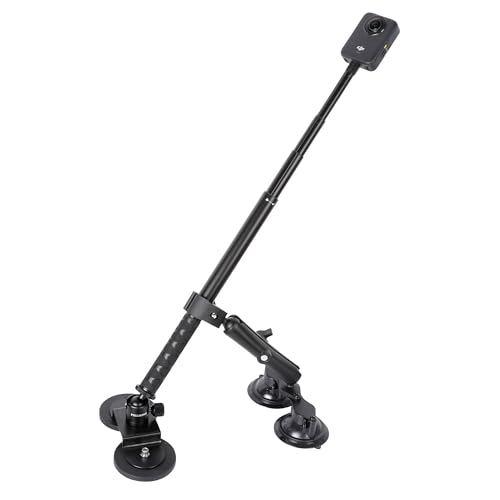
PellKing Car Mount Kit for Insta360 DJI
A reliable pick for PellKing Car Mount Kit, selected based on this article's guidance.

Insta360 Dual Electric Suction Cup Car Mount
A reliable pick for Insta360 Dual Electric Suction Cup, selected based on this article's guidance.
Best Practices & Pro Tips

Atmospheric Considerations
Extreme temperatures can affect rubber elasticity. In very hot weather, check the seal every hour. In cold weather, the rubber may harden, making a vacuum seal harder to establish.
Mounting Location Logic
Avoid mounting on curved surfaces that exceed the manufacturer's suggested radius for the suction cup. Flat panels are always superior to contoured body panels for long-term reliability.
Troubleshooting & Common Pitfalls

Seal Maintenance
If the suction keeps losing pressure, check for tiny nicks in the rubber gasket. If the gasket is dirty, rinse it with warm water and let it air dry—never use paper towels, as they leave fibers behind.
Hardware Vibrations
If you experience "jello" or micro-vibrations in your video, your extension pole might be vibrating too much. Try using a shorter pole or adding an extra stabilization arm to dampen the movement.
Frequently Asked Questions
Can I leave a suction mount on my car overnight?
A: No, it is highly recommended to remove suction mounts when the vehicle is parked for extended periods. Temperature fluctuations can cause the seal to fail, potentially dropping your camera.
Does the camera weight limit include the extension stick?
A: Yes, the weight limit usually accounts for the entire assembly including the camera and all accessories attached to the mount. Always check the manufacturer's specific specs.
Is it safe to use a suction mount on a windshield?
A: Yes, windshields are ideal for suction mounts due to their smooth, non-porous glass surface. Just ensure the interior camera view is clear of obstructions.
What should I do if the suction cup won't stick?
A: Ensure the surface is perfectly clean and the rubber gasket is supple. If the rubber is old or cracked, it may need to be replaced to maintain a proper vacuum.
Will suction mounts damage my car's paint?
A: If applied to a clean surface, they generally will not damage the paint. However, dragging the cup across the paint or leaving it on for days can sometimes lead to superficial marks.
Can I use multiple suction mounts at once?
A: Yes, using multiple points of contact can provide significantly more stability for long extension setups. This is a common tactic for high-end automotive videography.
What is the best way to clean my suction cup?
A: Use a small amount of warm water and a tiny bit of mild soap if necessary, then let it air dry completely. Avoid harsh chemicals that could degrade the rubber compound.
How often should I check the suction during a drive?
A: It is good practice to check the mount every time you stop the vehicle, such as at gas stations or rest stops, to ensure nothing has shifted.
Key Takeaways
- 1 Clean surfaces are the foundation of all safe suction mounting.
- 2 Never trust a mount without a secondary physical safety tether.
- 3 Shorter extension poles significantly reduce camera vibration.
- 4 Always verify the suction seal visually before driving away.
- 5 Extreme temperatures impact rubber seal integrity significantly.
- 6 Overtightening hardware is a common cause of field failure.
- 7 Consistent equipment maintenance preserves the longevity of your gear.
Conclusion
Mastering the Best 360 Camera Stick for Car — Top Suction Mounts for Insta360 & GoPro Sizing & Specs Checklist is about respecting the physics of wind resistance and leverage. By adhering to the cleaning, mounting, and tethering protocols outlined here, you can capture professional-level content safely.
Remember that the equipment is only as reliable as the effort you put into the installation. Always prioritize safety over the perfect shot to keep both your gear and other drivers secure.
Take your time with the setup, and your footage will reflect the professional standard you aim to achieve.
📌 Pillar Resource: Read our complete our Best 360 Camera Stick for Car — Top Suction Mounts for Insta360 & GoPro resource for in-depth insights.