Understanding how are dash cams powered is essential for any vehicle owner looking to ensure consistent surveillance without compromising the integrity of their car's electrical system.
This guide is designed for both beginners and intermediate users, assuming a basic familiarity with vehicle interiors and a desire to perform a clean, reliable installation. We move from the physics of power supply to the practical application of wiring and battery management.
By the end of this guide, you will be able to identify the correct power source for your needs, install your device safely, and troubleshoot common power-related issues to keep your camera running smoothly.
- Types of power sources: Cigarette adapters vs. hardwiring.
- The role of vehicle batteries in parking mode recording.
- How voltage monitoring prevents battery drain.
- Safety precautions during installation.
- Best practices for cable management and routing.
Overview & Prerequisites
Required Tools and Knowledge
To successfully manage how are dash cams powered, you will need basic tools such as a trim removal tool for cable tucking, a multimeter for identifying fuse slots if hardwiring, and your vehicle's owner's manual to locate the interior fuse box. Having a baseline understanding of your vehicle's electrical system is a significant advantage.
Who This Guide Is For
This resource is specifically tailored for vehicle owners who want to move beyond basic plug-and-play setups. If you are curious about how dash cams record when the car is off, this guide serves as your foundational baseline.
Always verify your vehicle's warranty status before attempting hardwired installations, as some manufacturers may consider electrical modifications a violation of coverage terms.
Core Concepts & Fundamentals

Understanding Power Delivery Mechanisms
Dash cams primarily derive power via the 12V cigarette lighter port or a direct connection to the vehicle's fuse box. The "cigarette lighter" method is temporary and provides power only when the ignition is on. Hardwiring, however, allows for continuous power, enabling parking surveillance. Understanding the difference is key to long-term reliability.
The Physics of Battery Preservation
To record while parked, cameras must draw from the battery without killing it. Most systems use a low-voltage cutoff to prevent total drainage. You can learn more about managing these energy demands in our guide on 5 Best Spare Dash Cam Battery Options for Long-Lasting Parking Mode.
| Feature | Cigarette Adapter | Hardwiring |
|---|---|---|
| Installation | Simple/Plug-and-Play | Moderate/Advanced |
| Parking Mode | Generally No | Yes (With Kit) |
| Cable Visibility | Often Exposed | Hidden |
Step-by-Step Execution Guide

Preparation and Equipment Selection
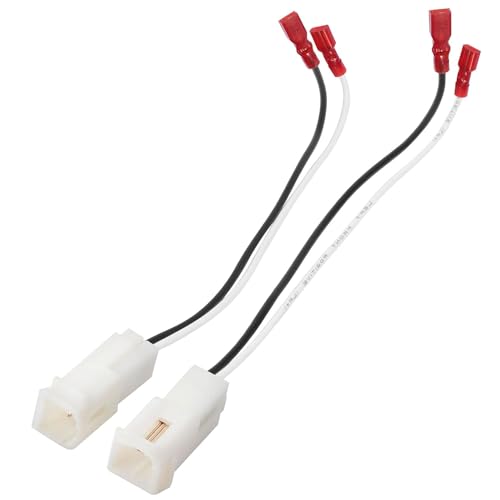
Before beginning, ensure you have a compatible hardwire kit if you intend to record while the car is off. Select an appropriate fuse tap that matches your vehicle's fuse size.
Installation Workflow
Recommended Equipment & Solution

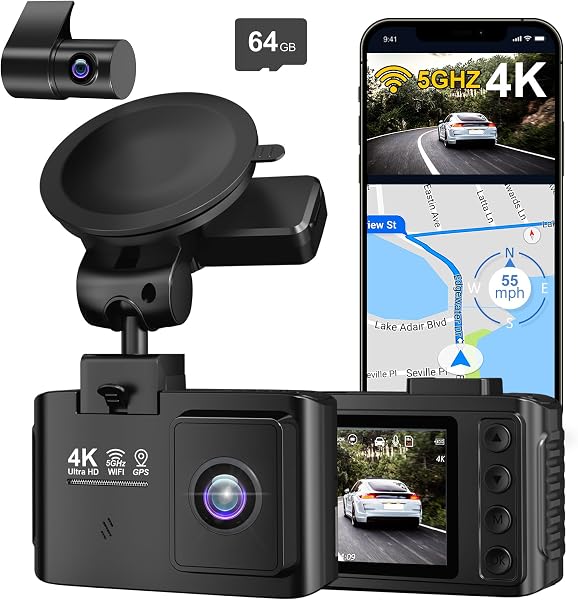
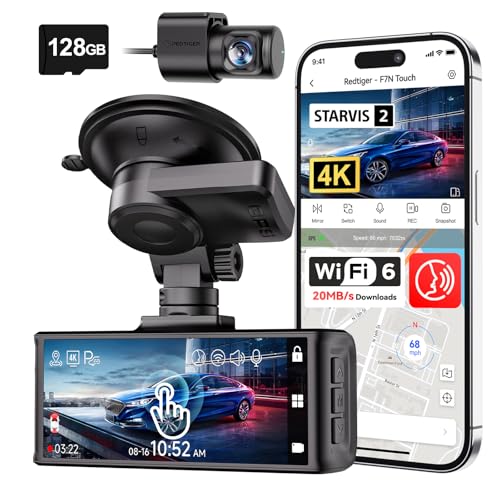
Terunsoul 4K+4K Dash Cam, Free 128GB Card
A reliable pick for Terunsoul 4K+4K Dash Cam, Free, selected based on this article's guidance.

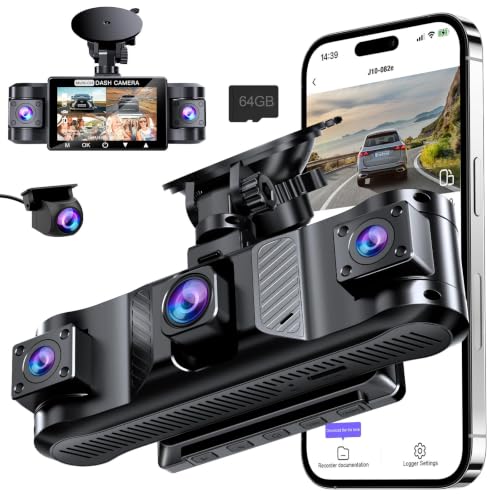
Icesky 4K Dash Cam Front and Rear
A reliable pick for Icesky 4K Dash Cam Front, selected based on this article's guidance.
Best Practices & Pro Tips

Maintaining System Integrity
Keep your connections clean and secure. Inspect your fuse taps annually to ensure they have not vibrated loose due to road conditions. Proper cable management protects the wiring from heat and physical damage.
System Refinements
Troubleshooting & Common Pitfalls

Diagnosing Power Failures
If your camera refuses to power on, start by checking the fuse tap connection and the ground point. For further assistance in understanding camera behavior, see How Does Baby Car Camera Work? as many dash cams share similar wiring logic.
Corrective Actions
Frequently Asked Questions
Will a hardwired dash cam kill my car battery?
A: Most modern hardwire kits include a voltage monitor that shuts the camera off if the battery drops below a safe threshold. This ensures your vehicle can still start.
Can I use a portable power bank?
A: Yes, portable power banks can power dash cams, though they require manual recharging and are less convenient than a direct hardwire setup.
Does the cigarette lighter port always provide power?
A: No, in most vehicles, the cigarette lighter port is only powered when the ignition is in the 'ACC' or 'On' position.
Why is my camera losing power when I start the engine?
A: This is often due to a "cranking" voltage drop where the starter motor consumes all available current, causing the camera to reboot.
Is it safe to tap into any fuse?
A: Not all fuses are suitable. You should avoid critical safety systems like airbags or the fuel pump. Choose auxiliary circuits like radio or cigarette lighters.
How long does the hardwiring process take?
A: For an experienced installer, it typically takes 30 to 60 minutes. Beginners should allocate at least two hours to ensure clean cable routing.
Can I power my dash cam through a USB port?
A: Some USB ports provide enough power, but many are data-only or do not provide the consistent voltage required for stable recording.
Does climate affect how dash cams are powered?
A: Extreme temperatures can cause lithium batteries in cameras to expand or fail, which is why many professional systems use supercapacitors instead.
Key Takeaways
- 1 There are two primary ways to power dash cams: cigarette adapters and hardwire kits.
- 2 Hardwiring is necessary for constant recording when the engine is off.
- 3 Always use a voltmeter to confirm your chosen fuse slots are active.
- 4 A solid chassis ground connection is critical for system stability.
- 5 Low-voltage protection is required to prevent battery drain in parking mode.
- 6 Avoid sensitive circuits like airbag fuses during any electrical installation.
- 7 Regular maintenance and firmware checks ensure long-term reliable operation.
Conclusion
Mastering how are dash cams powered is the most important step in securing your vehicle. By choosing the right power source and installing your device correctly, you gain peace of mind without the risk of electrical faults.
As you move forward, prioritize clean, hidden cable routing and ensure your battery protection settings are configured for your specific vehicle requirements. Practice safety at every step, and consult your vehicle's documentation if you have doubts about any specific electrical connection.
Proper power management is the cornerstone of a functional dash cam system; get it right once, and your camera will guard your vehicle for years to come.