Parking mode transforms your dash cam from a driving recorder into a 24/7 security guard for your parked vehicle. Understanding how does parking mode work on dash cams is essential for any car owner, as it functions as a smart, low-power state that uses sensors to detect impacts or motion, automatically recording incidents while efficiently conserving your vehicle's battery. It's the key to capturing hit-and-runs, vandalism, or break-ins that happen when you're away. Understanding the mechanics—from activation triggers to power management—is crucial for choosing the right dash cam and setting it up effectively to protect your investment around the clock.
Key Takeaways
- 1. Parking mode is a secondary, low-power state that activates when the ignition is off, using either the camera's internal battery or a hardwired connection to the vehicle's fuse box for continuous power.
- 2. It primarily uses motion detection (for movement near the vehicle) and G-sensor impact detection to trigger full recording, conserving storage and power by not recording continuously.
- 3. A proper hardwiring kit with a low-voltage cutoff is essential to prevent draining the car's starter battery, as it monitors voltage and automatically shuts off the camera at a preset level.
- 4. Recording during parking mode is typically stored in a protected event folder to prevent overwriting, but loop recording still applies, meaning non-event footage will eventually be cycled.
- 5. Performance varies significantly; factors like sensor sensitivity, buffer recording (capturing a few seconds before the trigger), and heat management in extreme temperatures are critical for reliability.
- 6. It is not a true 24/7 surveillance system; its effectiveness is limited by the camera's field of view, power source, and the potential for missed events if the trigger sensitivity is set incorrectly.
The Core Concept: What Is Dash Cam Parking Mode?

Dash cam parking mode is an advanced surveillance feature that transforms your device from a driving recorder into a 24/7 security system. When researching how does parking mode work on dash cams, think of it as a specialized standby state: when you turn off your ignition, the camera intelligently remains active, drawing minimal energy from the car's battery via a hardwiring kit to stay alert for potential security threats.
The core function is event-driven recording. Instead of recording continuously, the camera's sensors remain active, waiting for a specific trigger. The primary methods are:
- G-Sensor (Impact Detection): Activates recording if the camera detects a shock or collision to the vehicle.
- Motion Detection: Begins recording when the camera's lens identifies movement within its field of view, such as a person approaching.
- Time-Lapse: Records frames at set intervals to create a condensed video of the surroundings, useful for monitoring general activity.
When triggered, the camera typically saves a short clip (often with added pre-buffered seconds) to its memory card, locking the file to prevent overwriting. Sophisticated models use a low-voltage cut-off feature to prevent draining the car battery, ensuring you can still start your engine.

Activation Triggers: How Your Dash Cam 'Wakes Up'
Parking mode activation relies on specific triggers that tell the dash cam to "wake up" from its low-power standby state and begin recording an event. The primary method is via the G-sensor (accelerometer). When your parked vehicle experiences a significant impact—like a collision, break-in attempt, or even someone bumping your door—the G-sensor detects the sudden force and triggers immediate recording, often saving footage from a brief buffer period just before the event.
The second common trigger is the motion detection sensor. Using the camera's lens, it monitors changes in the video frame, such as a person or vehicle moving within its field of view. This allows the camera to record potential threats like vandalism or theft attempts. For optimal performance, the dash cam must be hardwired to your vehicle's fuse box to receive constant power without draining the car battery, utilizing a hardware kit with a built-in voltage monitor.
Power Sources: Battery Protection & Hardwiring Explained

Parking mode operation hinges on a stable power supply that outlasts the ignition. While a USB cable to the 12V socket is simple, it cuts power when the car is off, rendering parking mode useless.
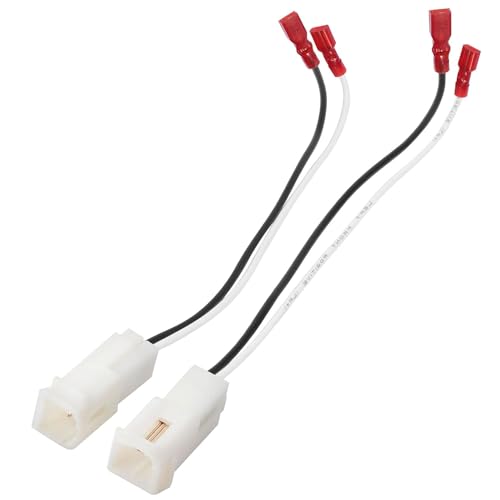
The true solution is hardwiring the dash cam to the vehicle's fuse box using a specialized kit. This kit contains a low-voltage cut-off (LVCO) module, which is critical for battery protection. It continuously monitors your car battery's voltage.
When parked, the dash cam draws power in a low-power state, using motion, impact, or time-lapse recording. If the battery voltage drops to a preset safe threshold (e.g., 11.8V or 12.4V), the LVCO automatically and completely cuts power to the dash cam. This prevents a dead battery, ensuring your vehicle can start.
Hardwiring typically uses two fuses: one for constant power (to maintain parking mode) and one for accessory/ignition-switched power. This allows the dash cam to seamlessly switch between normal driving recording and parking mode when you turn the engine off.
Recording Methods: Continuous, Buffered, and Event-Based
Parking mode is a dash cam feature that activates when the ignition is off, monitoring your vehicle while parked. It primarily uses buffered recording to capture incidents without draining the car battery.
The camera remains in a low-power state, using sensors (G-sensor for impacts, motion sensor for movement) to detect events. Crucially, when a trigger occurs, the dash cam saves footage from a buffer—typically 5-20 seconds before the event—plus the duration after. This provides critical context leading up to an impact or approach, unlike basic event-based recording which starts only at the moment of detection.
Power management is key. Parking mode requires a constant power source, usually via hardwiring to the vehicle's fuse box with a low-voltage cut-off to prevent a dead battery. Advanced systems may use time-lapse or low-frame-rate recording instead of full sensor-based monitoring for extended coverage.

Essential Features: G-Sensor, Motion Detection, and Low-Light Capability
Parking mode is an essential feature that transforms a dash cam from a driving recorder into a 24/7 security monitor for your parked vehicle. It operates by switching to a low-power state when you turn off the ignition, using the camera's internal battery or a dedicated hardwiring kit to your car's fuse box for continuous power.
Three core technologies enable its functionality:
- G-Sensor: Detects significant impacts or vibrations (e.g., from a collision or break-in). Upon sensing an event, it automatically locks the current video file to prevent overwriting.
- Motion Detection: Uses the camera's lens to detect movement within its field of view, such as a person approaching, and begins recording. Advanced systems use a buffered recording to capture footage from a few seconds before the trigger.
- Low-Light Capability: Critical for nighttime monitoring. This relies on wide apertures (e.g., f/1.8) and enhanced image sensors to capture usable footage in dark parking lots or garages.
For reliable operation, professional hardwiring is strongly recommended to prevent draining your car's starter battery, often utilizing a voltage monitor to shut the camera off at a preset power level.
Installation & Setup: A Step-by-Step Guide
Parking mode is a dash cam feature that activates a low-power monitoring state when you turn off your vehicle's ignition. It uses sensors to detect incidents while parked.
There are three primary detection methods:
- Motion Detection: Activates recording when the camera senses movement within its field of view.
- Impact (G-Sensor) Detection: Triggers an event recording if your vehicle is bumped or hit.
- Time-Lapse: Continuously records at a reduced frame rate to capture all activity.
For reliable operation, a proper hardwiring kit is essential. This kit connects the dash cam directly to your car's fuse box, allowing it to draw power without draining the starter battery. It includes a low-voltage cutoff to automatically shut off the camera if the battery drops to a preset safe level.
Setup requires configuring the mode in the camera's menu and ensuring the hardwiring kit is set to the correct voltage threshold (typically 12.4V or higher). Parking mode transforms your dash cam from a driving recorder into a 24/7 security sentinel.
Limitations and Considerations: What Parking Mode Can't Do
While essential for 24/7 protection, parking mode has inherent limitations. Primarily, it is a deterrent and evidence-gathering tool, not an active security system. It cannot prevent an incident from occurring.
Functionally, parking mode relies on specific triggers—G-sensor impacts or motion detection in the camera's field of view. Key blind spots include impacts on the vehicle's sides or roof that don't sufficiently rock the chassis, or someone simply loitering outside the camera's lens range. Furthermore, most systems cannot capture license plates from a perpendicular angle in a tight parking lot.
The largest consideration is power management. Hardwiring to constant battery power is required for extended use, but improper voltage cutoff settings can drain your car's battery. In extreme temperatures, battery drain accelerates. Lastly, storage is a factor; long periods of recording will fill memory cards, and without a loop-recording function specifically for parking events, the camera will stop recording when full.
Top Tips for Optimizing Your Parking Mode Performance
Dash cam parking mode is a low-power state activated when you turn off your ignition. It uses sensors to monitor your vehicle while parked.
Instead of recording continuously, it conserves energy by remaining dormant until an impact (G-sensor) or motion (motion sensor) is detected. It then automatically records a short clip—typically 20 to 30 seconds—before and after the event. This buffered feature is crucial, as it captures the lead-up to an incident.
For optimal performance, two key setups are non-negotiable:
- Hardwiring: Use a hardwiring kit with voltage monitoring. This safely draws power from your car's battery and will shut off before draining it completely.
- SD Card Health: Use a High-Endurance memory card, as parking mode involves constant write cycles. Format it in-camera monthly to prevent failures.
Finally, adjust your G-sensor sensitivity to "medium." A high setting can trigger recordings from non-threats like distant traffic, filling your card with unnecessary footage.
Frequently Asked Questions
What is how does parking mode work on dash cams and who should use it?
A: how does parking mode work on dash cams is a solution designed to address a specific set of needs for a defined audience. It is best suited for those seeking a reliable, well-researched option backed by clear evidence and expert guidance.
How long does it take to see results with how does parking mode work on dash cams?
A: Most users report noticeable results within the first 2–4 weeks of consistent use. Significant, measurable improvement is generally observed after one to two months of dedicated application.
Is how does parking mode work on dash cams suitable for beginners or experienced users?
A: how does parking mode work on dash cams is designed to accommodate a wide range of experience levels, from complete beginners to advanced practitioners. Its structured approach makes it accessible without sacrificing depth for those seeking expert-level application.
Can how does parking mode work on dash cams be combined with other approaches or products?
A: Yes, how does parking mode work on dash cams is generally compatible with complementary strategies and tools. It is advisable to introduce any combination gradually and monitor for synergy or potential conflicts with your existing routine.
What are the most common mistakes to avoid with how does parking mode work on dash cams?
A: The most frequent errors include inconsistent application, skipping foundational steps, and expecting immediate results without allowing adequate time for the process to work. Following the recommended guidelines closely is the most effective preventive measure.
How does how does parking mode work on dash cams compare to similar alternatives on the market?
A: how does parking mode work on dash cams distinguishes itself through its evidence-based formulation, transparent ingredient or methodology sourcing, and a track record of user-verified outcomes. Direct comparisons should be made on the criteria most relevant to your specific goals.
Are there any limitations or side effects associated with how does parking mode work on dash cams?
A: While how does parking mode work on dash cams is formulated to minimize adverse effects, individual responses can vary based on specific sensitivities or pre-existing conditions. Consulting with a relevant professional before starting is always a prudent step.
What is the best way to get started with how does parking mode work on dash cams?
A: The most effective starting point is to begin with a foundational assessment of your current situation, then follow the recommended introductory protocol for how does parking mode work on dash cams. Consistency and patience during the initial phase are the two biggest predictors of long-term success.
Summary
Parking mode transforms a dash cam from a driving recorder into a 24/7 vehicle monitoring system. It operates by using a combination of impact (G-sensor) and motion detection to automatically begin recording events while your car is parked and unattended. This provides crucial evidence in cases of hit-and-runs, vandalism, or break-ins. For the system to function, the dash cam must be connected to a constant power source, which is typically achieved by hardwiring it into the vehicle's fuse box using a specialized kit.
Successful use of parking mode hinges on proper installation and configuration. The most critical consideration is battery protection; a hardwiring kit with a voltage cut-off feature is non-negotiable to prevent draining your car's starter battery. Furthermore, using a high-endurance memory card designed for continuous writing is recommended for reliability. When set up correctly, parking mode offers invaluable peace of mind, extending the protective utility of your dash cam far beyond the time you spend behind the wheel.