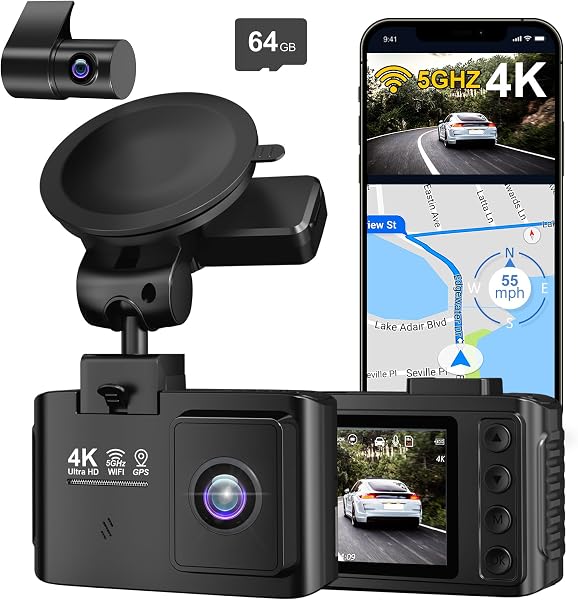
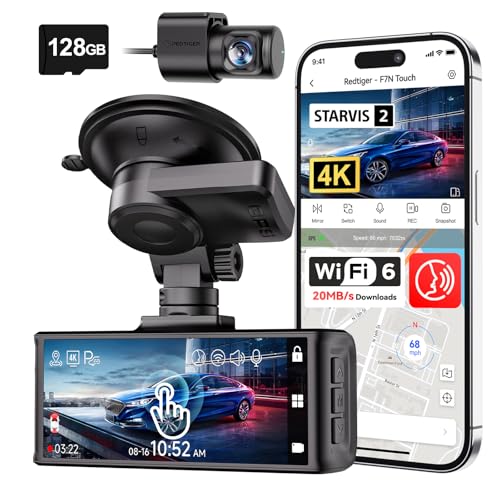
Determining how many amps needed to power dashcam setups—whether opting for a standard cigarette lighter adapter or a dedicated hardwire kit—is a critical step for vehicle safety. Drivers often struggle to balance the power requirements of basic recording devices versus high-end systems equipped with parking monitors.
Many users assume all dashcams have identical power draws, but the reality depends on the hardware complexity. A basic single-channel cam may only sip power, while a multi-camera system with cloud connectivity demands significantly more current from your vehicle's electrical architecture.
This guide breaks down the technical nuances of dashcam power delivery. By the end, you will understand how to calculate your specific requirements and choose between hardwiring or port-based power solutions with confidence.
- Baseline power requirements for standard recording vs. parking mode.
- The impact of internal hardware (GPS, Wi-Fi) on amp consumption.
- Safety considerations for fuse box connections.
- How voltage cutoff levels prevent battery drainage.
- Calculating the total amperage for multi-camera setups.
Overview & Head-to-Head Summary

Standard 12V Accessory Power (Cigarette Lighter)
Most dashcams are designed to operate on a 5V USB output, usually stepping down from the car's 12V supply. This method is the "plug-and-play" standard for casual users who do not require recording while the engine is off.
Dedicated Hardwire Kit Power
Hardwiring connects the dashcam directly to the fuse box. This method is essential for users who prioritize 24/7 surveillance, allowing the camera to draw consistent power even when the ignition is turned off.
| Feature | Accessory Port | Hardwire Kit |
|---|---|---|
| Power Consistency | Only when ignition is on | Constant/Switchable |
| Amperage Draw | Standard (0.5A - 2A) | Variable (based on load) |
| Installation Complexity | Low | Moderate to High |
| Parking Mode | Unavailable | Supported |
For more details on professional installation, check out our guide on how to hardwire a dash cam: The Ultimate Step-by-Step DIY Guide to ensure your circuit tap is secure and safe.
Key Differences & Core Features

Circuit Load and Fuse Management
The primary technical difference lies in how the amperage is drawn. Accessory ports are limited by the vehicle's accessory fuse capacity. Hardwire kits, however, allow you to choose a dedicated fuse circuit, often isolating the camera’s draw from sensitive vehicle electronics.
Voltage Monitoring and Protection
Advanced hardwire kits include low-voltage protection, which prevents the dashcam from draining your battery below a critical starting threshold. Accessory ports lack this, as they automatically cut power when the key is removed from the ignition.
| Criteria | Accessory Port | Hardwire Kit |
|---|---|---|
| Battery Protection | N/A (Ignition-switched) | Included (Voltage cutoff) |
| Circuit Safety | Limited by vehicle fuse | Adjustable fuse taps |
| Cable Concealment | Visible wiring | Hidden under trim |
If you are looking for specific types of devices that manage these power demands effectively, you might consider the Non GPS dashcam guide: Why privacy-focused drivers choose them for a simplified electrical footprint.
Performance & Real-World Analysis

Evaluating Load Requirements
In practice, most modern dashcams consume between 0.5 and 1.5 amps during active recording. However, startup surges and the use of Wi-Fi for transferring clips can momentarily spike these requirements.
Assessing Long-Term Battery Impact
Using a hardwire kit in parking mode shifts the load to your vehicle's 12V battery. Evaluating whether your car battery can handle this depends on your driving frequency; short daily commutes may not provide enough alternator time to replenish what the dashcam consumes overnight.
Understanding these variables helps you avoid "battery death" scenarios while maintaining continuous security coverage for your vehicle.
Best Use Cases & Ideal Scenarios

When Accessory Port Power Makes More Sense
This is best for drivers who only need footage while driving and wish to avoid modifying any vehicle wiring. It is the safest choice for leased vehicles or those under strict warranty terms.
When Hardwire Power Makes More Sense
Ideal for drivers who park in public spaces and require incident evidence or vandalism protection. This is also preferred by those wanting a clean, wire-free cabin aesthetic.
When It Genuinely Doesn't Matter
If you rarely park in areas requiring surveillance and your car has a high-capacity battery, the difference between these two methods is purely aesthetic. Both will power the device effectively while you are on the road.
To learn more about optimizing your vehicle’s secondary systems, see our advice on Battery life on dash cam: Everything you need to know for reliable recording.
Recommended Equipment & Solution

OBD2 to USB C Power Cable
A reliable pick for OBD2 to USB C Power, selected based on this article's guidance.

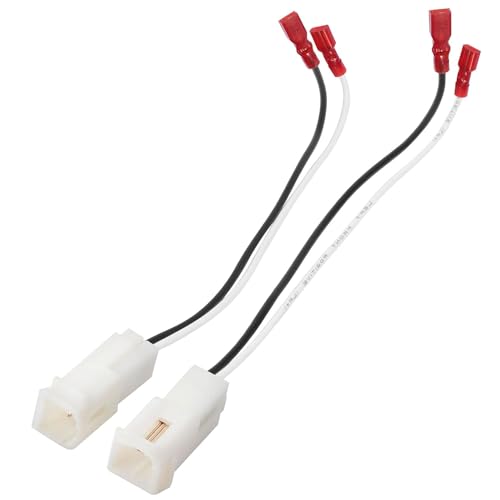
Dashcam Power Adapter,(7P TypeA)Compatible with Honda Odyssey/CRV/Civic
A reliable pick for Dashcam Power Adapter,(7P TypeA)Compatible, selected based on this article's guidance.
Final Verdict & Decision Framework

Quick Decision Checklist
Ask yourself: Do I need parking surveillance? If yes, hardwiring is mandatory. If no, the accessory port is sufficient. Consider your comfort level with automotive electrical work; if you are uncertain, a professional installation is recommended regardless of the method.
Our Framework for Choosing
| Priority | Recommended Power Method |
|---|---|
| Ease of installation | Accessory Port |
| 24/7 Security | Hardwire Kit |
| Clean Aesthetic | Hardwire Kit |
| Leased/Rental Vehicle | Accessory Port |
Frequently Asked Questions
Does a dashcam drain the battery if plugged into a lighter port?
A: Most modern cars shut off the accessory port when the ignition is off, preventing drain. If your port is "always on," the dashcam will continue to draw power until the battery is depleted.
Can I use a multi-port adapter for my dashcam?
A: Yes, but ensure the adapter is high-quality and rated for the total amperage of all devices plugged in to avoid heat buildup.
What happens if my dashcam draws more amps than the fuse?
A: The fuse will blow to protect your car's wiring. Always use the appropriate fuse size recommended by the dashcam manufacturer.
Do rear-facing dashcams need their own power source?
A: Most rear cameras connect to the front unit via a data cable and draw power through that connection, not a separate source.
Is hardwiring difficult to do?
A: It is a moderate DIY task that involves locating a switched and a constant fuse in your box. If you aren't comfortable with automotive wiring, a professional installer can do it quickly.
Do all hardwire kits have voltage protection?
A: Most reliable ones do, but cheaper generic kits may not. Always verify this feature to protect your car battery.
How long can a dashcam record in parking mode?
A: This depends on your battery capacity and the power draw of the camera; usually, it can last several days before the cutoff triggers.
Does a high-amperage dashcam require heavier gauge wire?
A: The cables provided with dashcam kits are sized correctly for the device’s power draw; there is no need to upgrade them.
Key Takeaways
- 1 Most dashcams draw between 0.5A and 1.5A during operation.
- 2 Cigarette lighter ports are sufficient for driving-only recording.
- 3 Hardwire kits are necessary for parking mode and 24/7 security.
- 4 Always use voltage-protected hardwire kits to save your car battery.
- 5 Verify if your accessory port remains powered when the car is off.
- 6 Use an appropriate fuse tap to keep your vehicle electrical system safe.
- 7 Multi-camera setups require checking the total current draw of the front unit.
Conclusion
Choosing how many amps your dashcam requires is less about specific numbers and more about your intended use case. Whether you prioritize a simple setup through the accessory port or require the advanced security of a hardwired system, understanding these basics ensures your vehicle remains protected and your battery healthy.
By reviewing your vehicle's fuse box layout and matching it to your dashcam’s power needs, you can easily find the perfect balance between convenience and consistent recording performance.
Selecting the right power solution is the final step toward a reliable, worry-free dashcam experience that secures your peace of mind on every journey.