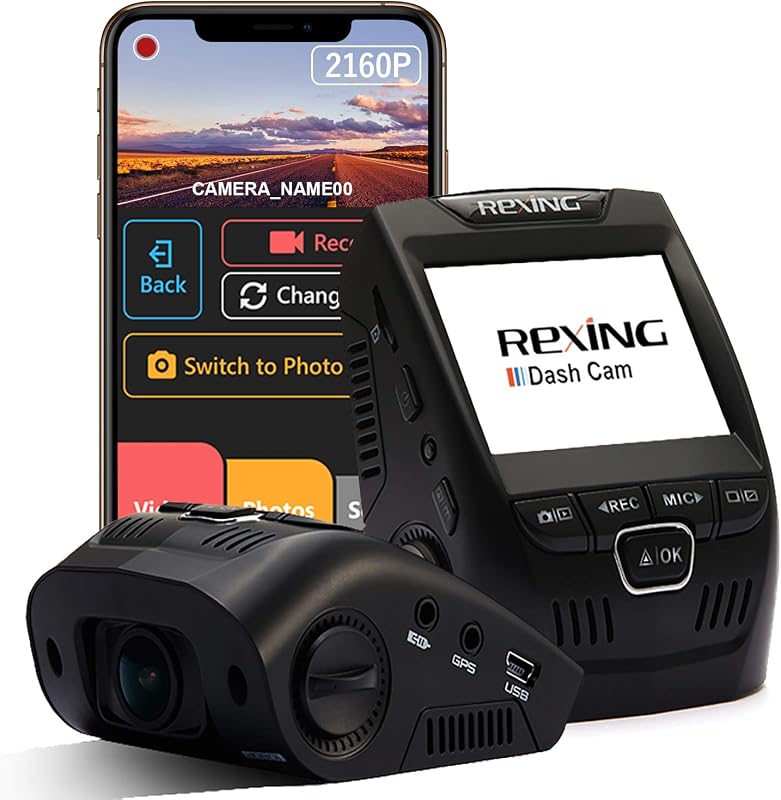
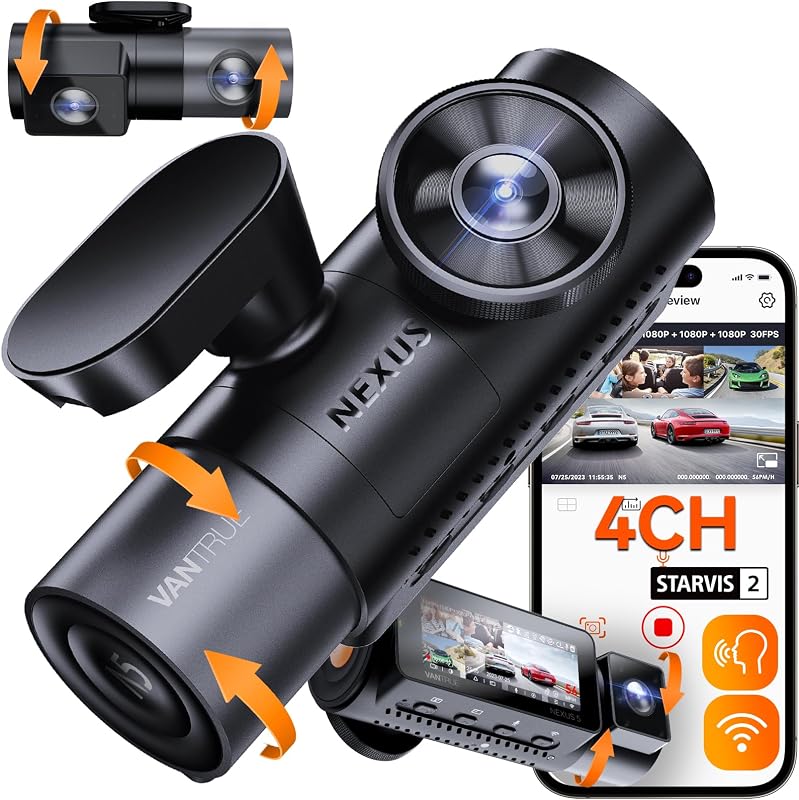
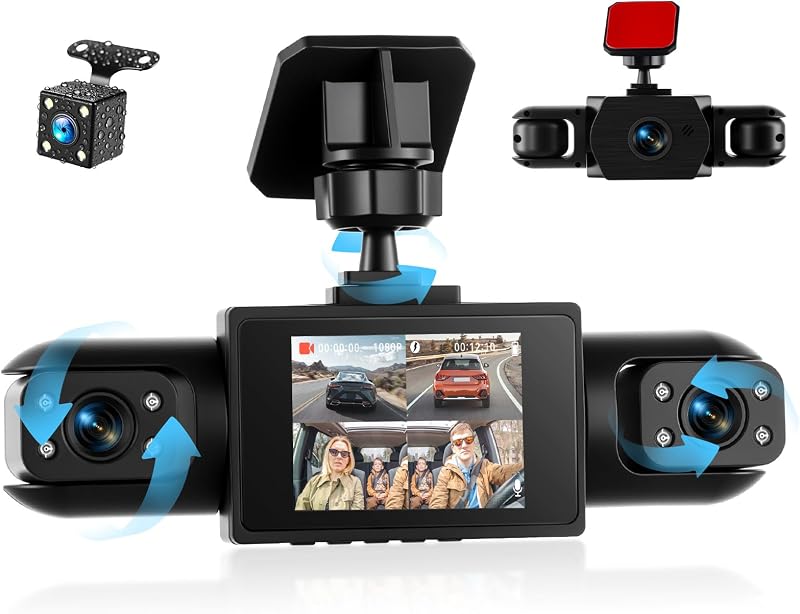
Hardwiring your dash cam is the best way to enable crucial features like parking mode, providing security even when your car is off. Choosing the right hardwire kit protects your vehicle’s battery from draining and ensures a clean, professional installation.
This guide, based on decades of automotive expertise, compares the top kits using key criteria like performance, vehicle compatibility, build durability, and ease of installation. Our clear recommendations for different driver needs are listed below.
Gebildet Type-C Hardwire Kit

This hardwire kit is for the meticulous installer who demands a clean, low-profile, and reliable power connection for their dash cam. Its key feature is the ultra-compact control box and slim, tuckable wiring, which makes hiding all components behind the vehicle’s headliner and A-pillar trim exceptionally straightforward, resulting in a professional-looking, OEM-style installation.
Beyond its streamlined design, the kit is built for daily use with quality materials that resist vehicle temperature swings. The clear, simple instructions and included trim tools reduce installation time and frustration. While perfectly functional for the task, a slightly longer fuse tap lead would provide more flexibility in some fuse box configurations. It’s a highly recommended, no-nonsense solution for achieving a permanent power setup.
Pros:
- 👍 Exceptionally compact control module is easy to conceal
- 👍 Wiring is thin and pliable for seamless routing
- 👍 Includes a selection of common fuse tap adapters
Cons:
- 👎 Fuse tap pigtail could be a bit longer for more mounting options
- 👎 Lacks a voltage cutoff switch for models with parking mode
Upgraded Type-C Hardwire Kit

This is for the modern dash cam owner who wants a cleaner, more reliable installation than a clunky 12V adapter, especially for parking mode.
Its standout feature is the USB-C connection, which is far more durable and easier to plug in correctly than the fragile micro-USB ports on older kits. This is a major advantage when you’re working in tight spaces like behind the A-pillar, as the reversible plug won’t wear out or break from repeated connection attempts during installation.
The build quality is robust, with a thick, heat-resistant cable that stands up to a hot dashboard summer. The included add-a-fuse taps make connecting to your vehicle’s fuse box straightforward for a permanent power solution. While a simple product, its modern connector and reliable performance make it a smart upgrade for a seamless hardwire setup.
Pros:
- 👍 Modern USB-C connector is more durable and user-friendly than micro-USB
- 👍 Clean, permanent power solution enables parking mode features
- 👍 Includes necessary add-a-fuse taps for a professional installation
Cons:
- 👎 Lacks a voltage cutoff switch, which must be set via the dash cam itself
- 👎 Requires basic familiarity with a vehicle’s fuse box for installation
ROVE Ultimate USB-C Hardwire Kit

This kit is for the driver who wants a clean, permanent power solution for their dash cam without splicing wires or fussing with their vehicle’s fuse box.
Its standout feature is the plug-and-play fuse tap connectors, which include common fuse types like low-profile Mini and ATO. This means you can find an empty slot for an accessory circuit—like the power outlet or radio—and simply plug it in. The 12-foot cable provides ample length to route it neatly along the headliner and A-pillar for a professional-looking, hidden installation.
The build quality is robust, with a thick, tangle-resistant cable and a compact control box that tolerates engine bay heat well. It includes a clear, concise guide, making it a practical choice for a confident DIYer. While it lacks a voltage cutoff switch, it’s a reliable and highly compatible kit that gets the job done cleanly.
Pros:
- 👍 Includes multiple fuse tap types for broad vehicle compatibility
- 👍 Long, durable cable allows for clean, discreet routing
- 👍 Straightforward plug-and-play installation
Cons:
- 👎 Lacks an adjustable voltage monitor to protect your car’s battery
- 👎 The inline module is a bit large for extremely tight fuse box spaces
BNnYY OBD2 to USB-C Adapter
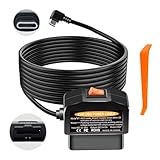
This adapter is for the modern DIYer who needs a clean, permanent USB-C power solution for a dash cam without splicing wires.
Its primary benefit is enabling a direct, hardwired connection from your vehicle’s OBD-II port. This is far more practical than using a 12V cigarette lighter, as it frees up that socket and hides all cabling neatly along the headliner and A-pillar. For instance, you can power a dash cam with parking mode features without needing a separate hardwire kit.
The build feels robust enough for daily use, and its compact design stays unobtrusive. While not a hardwire kit in the traditional sense, it offers superior plug-and-play installation over bulky 12V adapters. It’s a clever, niche tool that delivers a professional-looking install with minimal effort, making it a solid recommendation for those seeking a specific, tidy power setup.
Pros:
- 👍 Enables a clean, permanent-looking install without any wire splicing
- 👍 Frees up the 12V cigarette lighter port for other devices
- 👍 Plug-and-play setup is significantly easier than a fuse box hardwire kit
Cons:
- 👎 Occupies the OBD-II port, which may be needed for diagnostics
- 👎 Not all dash cams may draw power correctly through this method; verify compatibility
OBD Power Cable with Auto-Cutoff

This cable is for the driver who wants a dash cam permanently powered without the hassle of manual shutdown or battery drain. Its core auto-cutoff feature is set to a precise voltage, protecting your vehicle’s battery from being drawn down too low.
The primary benefit is complete peace of mind. Imagine parking at a remote airport for a week; the cam will record any incidents while parked but reliably shut off long before your battery is too weak to start the engine. The low-profile fuse tap connectors and lengthy cable also make routing to your fuse box straightforward, even in larger vehicles like SUVs and trucks.
Build quality is robust, with a thick, heat-resistant jacket on the wiring that stands up to harsh under-dash temperatures. The connectors are a standard mini-USB, ensuring broad dash cam compatibility. While installation requires locating your fuse box and a vacant slot, the included instructions are clear. This is a highly recommended, no-nonsense solution for a permanent, set-and-forget hardwire installation.
Pros:
- 👍 Reliable auto-cutoff protects your car battery from deep discharge
- 👍 Long, well-insulated cable eases installation in larger vehicles
- 👍 Quality fuse tap connectors ensure a secure and safe power connection
Cons:
- 👎 Requires basic familiarity with your vehicle’s interior fuse panel
- 👎 Mini-USB connector may not fit newer models using USB-C
Buyer’s Guide: 3 Key Factors to Consider
Safety & Compatibility
Select a dash cam that connects to your vehicle’s 12V power outlet or, for parking modes, utilizes a hardwiring kit fused into the fuse box. Ensure the mount adheres securely to a clean windshield surface, away from airbag deployment zones and the driver’s line of sight. Verify any required hardwiring harnesses are compatible with your specific vehicle’s electrical system.
Performance & Ease of Use
Prioritize a wide field of view for comprehensive coverage and high-resolution video for clear license plate identification. The device should offer straightforward physical or app-based controls for easy operation while driving. Reliable Wi-Fi and app connectivity are essential for seamless video review and configuration changes.
Durability & Value
Internal capacitors handle extreme vehicle temperatures better than lithium-ion batteries. The housing material should resist sun damage and warping. A reputable warranty and accessible customer support add long-term value. Consider the availability of necessary accessories like high-endurance memory cards and additional cabling.
Frequently Asked Questions
Q1: Can I install a hardwired dash cam myself?
A1: Yes, with basic DIY skills. The process involves routing the cable from the camera to the fuse box, typically using trim tools to hide wires, and connecting a fuse tap to a constant and switched power source.
Q2: Will hardwiring my dash cam drain my car battery?
A2: Most hardwiring kits include a voltage cutoff feature that automatically shuts down the dash cam if the battery drops to a preset, safe level, preventing a dead battery.
Q3: Is professional installation necessary?
A3: While many install it themselves, professional installation is recommended for those unfamiliar with vehicle fuse boxes or who want a completely hidden, guaranteed installation.
Q4: What is parking mode and do I need it?
A4: Parking mode records impact or motion events while your car is parked and off. It is a key security feature, but requires a hardwiring kit for power.
Q5: Do all dash cams support hardwiring?
A5: No, only models with a dedicated hardwiring kit available for purchase are designed for this type of installation. Check manufacturer specifications for compatibility.
Final Verdict: Which One Should You Buy?
For comprehensive daily protection, select an all-rounder with reliable parking mode and clear day/night footage. Budget-focused users should prioritize core recording functionality and durability. Those requiring maximum clarity for highway driving or frequent travel will benefit from a premium model with superior video stabilization and a wide lens. Assess your specific need for extended parking coverage and video resolution to make the final choice.