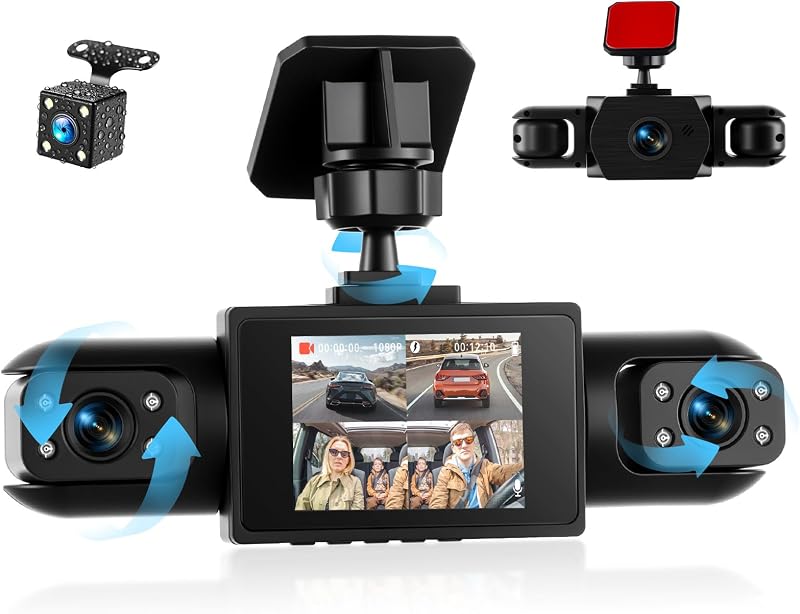
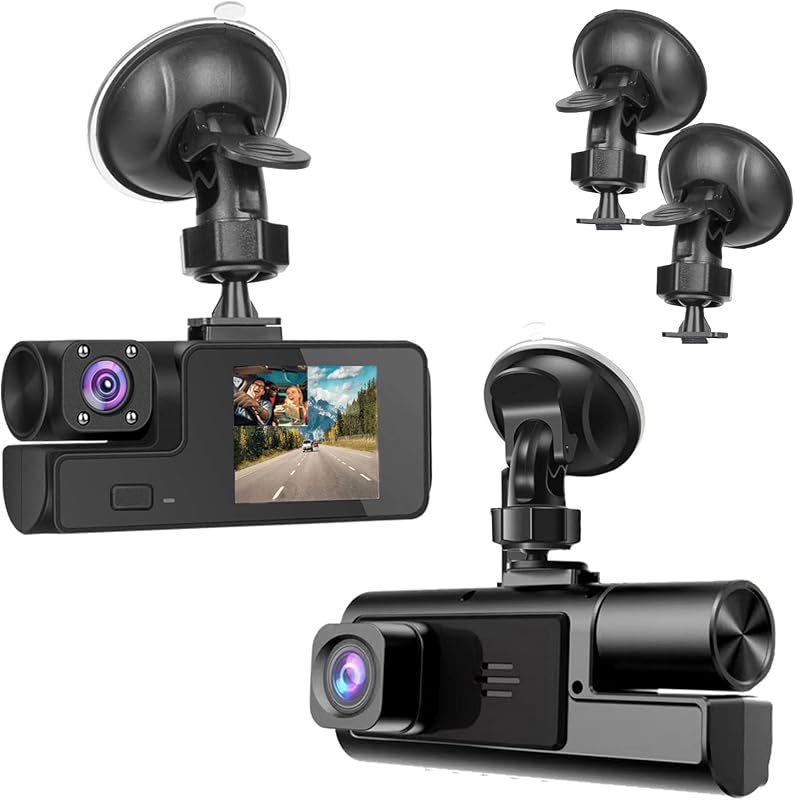
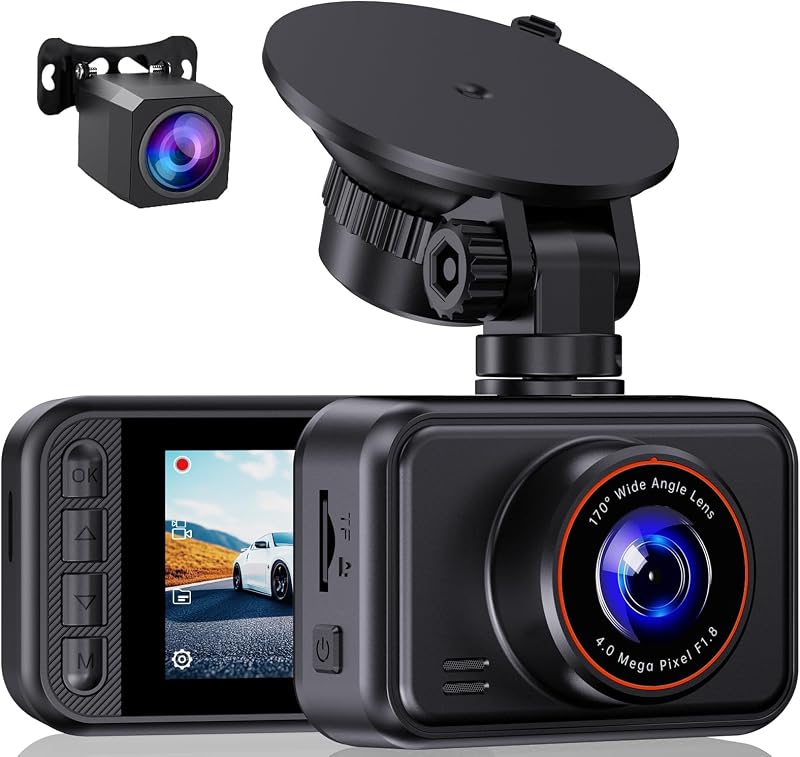
Learning how to hide wires car camera setups is an essential skill for any driver looking to maintain a clean, distraction-free cabin while ensuring their device remains powered.
This guide is designed for DIY enthusiasts and vehicle owners who want to achieve professional results without the cost of professional installation. It assumes a basic level of comfort with handling small tools and basic knowledge of vehicle interior paneling.
By the end of this guide, you will be able to route cables from your dash cam to your power source completely out of sight, reducing cable clutter and preventing potential interference with airbags.
- Tools required for cable concealment.
- Safe routing paths around trim and weather stripping.
- Avoiding obstruction of side-curtain airbags.
- Effective use of cable management clips.
- Long-term maintenance tips for cable integrity.
Overview & Prerequisites

Required Tools and Materials
To successfully hide wires car camera units, you should have a plastic trim removal tool, self-adhesive cable management clips, and potentially a zip-tie or two. Using metal screwdrivers is discouraged as they can mar the plastic interior or damage wire insulation.
Who This Guide Is For
This guide is for vehicle owners who value aesthetics and safety. Whether you are setting up a new camera or hiding the mess from a previous DIY attempt, these steps will help you achieve a factory-look finish. For those using advanced parking modes, you may want to review Do dash cams record when the car is off? Everything You Need to Know for 24/7 Security to ensure your power source is correctly positioned.
Always test your camera's functionality before permanently tucking the wires into the trim to avoid unnecessary re-work if the cable is faulty.
Core Concepts & Fundamentals
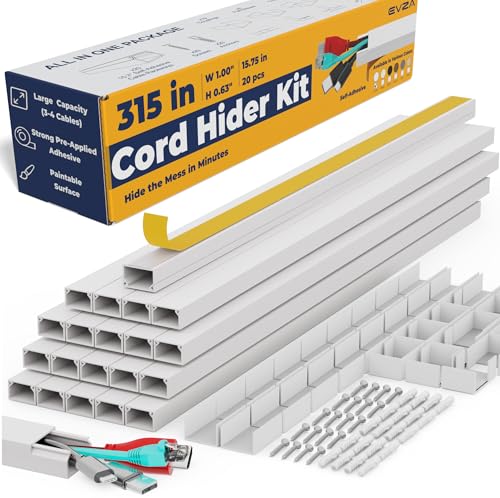
Understanding Cable Routing Pathways
The primary concept when you hide wires car camera cables is the "path of least resistance." Most vehicles have headliners and rubber door seals that are designed to be slightly flexible. By tucking the wire behind these, you secure the cable without needing to remove major panels.
Airbag Safety and Spatial Awareness
The most critical concept is understanding where your vehicle's side-curtain airbags are located. You must route your cables behind the airbag deployment zones, not across them. Crossing an airbag with a hard cable can lead to dangerous projectile issues during an inflation event.
| Method | Safety Rating | Visual Finish |
|---|---|---|
| Visible dangling wire | Low | Poor |
| Tucking behind rubber trim | High | Excellent |
| Drilling/Modifying Panels | Variable | Factory-like |
Step-by-Step Execution Guide

Preparation and Planning
Before moving any paneling, plan your route from the camera mounting point to the 12V outlet or fuse box. Ensure the cable has enough slack to reach the port without pulling tightly on the camera lens.
Execution Phase
Recommended Equipment & Solution

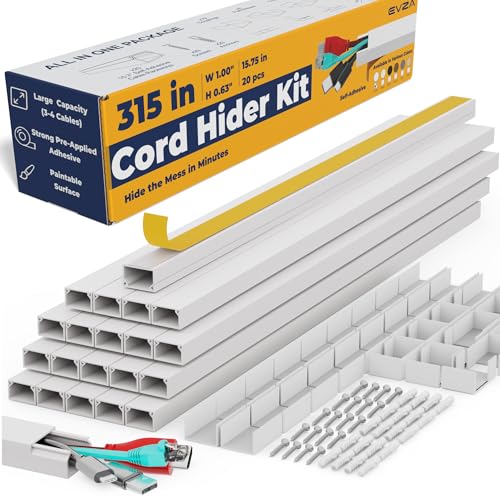
QZTYTY Car Concealed Wire Cover, Automotive Power
A reliable pick for QZTYTY Car Concealed Wire Cover, selected based on this article's guidance.

Cable Clips Self with 3M Adhesive Cord
A reliable pick for Cable Clips Self with 3M, selected based on this article's guidance.
Best Practices & Pro Tips

Maintaining Cable Integrity
Avoid sharp bends in the USB cable, as this can break the internal data or power pins over time. Create "service loops" if you have excess cable length instead of bunching it tightly.
Longevity and Aesthetics
Consider using black cable covers if your car has light-colored interior trim, as this draws less attention to the cable path. For more on specific mounting configurations, see Baby Car Camera Mounting Tips: Secure Setup Guide 2026.
Troubleshooting & Common Pitfalls

Solving Common Routing Issues
If you find that the cable constantly pops out of the trim, you may need a deeper trim tool or a slightly larger clip. Never force a wire into a gap that is too small; this can slice the cable jacket.
Addressing Connection Failures
If your camera stops receiving power after tucking the wire, verify that the connector hasn't been bent at a 90-degree angle, as this is the most common cause of internal wire fatigue. For more advanced setup issues, refer to How Does Baby Car Camera Work? Top 5 Systems for 2026 Reviewed.
Frequently Asked Questions
Can I use electrical tape to hide wires car camera cables?
A: While possible, it is not recommended as it leaves a sticky residue that is difficult to clean later.
Is it safe to run wires across the airbag?
A: No, never run a cable over an airbag deployment zone, as it can become a projectile.
Do I need to remove panels to hide wires?
A: In most vehicles, you can use a plastic trim tool to tuck wires without removing panels.
What should I do with the extra wire?
A: Use zip ties to coil the extra length in a hidden area like under the carpet or behind the glove box.
Will hiding the wires void my vehicle warranty?
A: Generally, simple cable routing does not void warranties, but check your manual if you are tapping into a fuse box.
What is the best tool for the job?
A: A plastic pry bar or a dedicated trim removal tool is the safest option to prevent scratching interior plastic.
How long does this process take?
A: For a standard sedan, the process usually takes between 30 to 60 minutes depending on your experience level.
Can I hide wires in a convertible?
A: Yes, but ensure the routing path does not interfere with the roof mechanism's movement.
Key Takeaways
- 1 Use plastic tools to avoid marring vehicle interior surfaces.
- 2 Always prioritize airbag safety when choosing a cable path.
- 3 The headliner and weather stripping are your best friends for concealment.
- 4 Clean surfaces with isopropyl alcohol before using adhesive clips.
- 5 Avoid sharp bends that can cause internal wire fatigue.
- 6 Secure all loose cables to prevent interference with pedals.
- 7 Periodically inspect your setup during regular car maintenance.
Conclusion
Learning to hide wires car camera setups is a straightforward project that dramatically improves the look and safety of your vehicle. By following the systematic steps outlined, you ensure your device is powered reliably without creating clutter or safety hazards.
Remember that patience is your greatest tool; forcing wires into gaps will only lead to frustration or damage. Take your time, plan your path, and enjoy the clean, professional result of your hard work.
A clean, wire-free dash cam setup is the hallmark of a well-maintained vehicle. If you're looking for more ways to optimize your setup, check out 5 Best Spare Dash Cam Battery Options for Long-Lasting Parking Mode to further enhance your security.