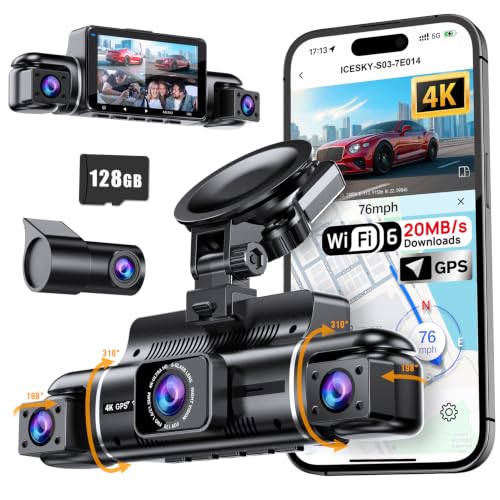
Learning how to setup & use Mangoal dash cam reviews: top picks for your vehicle is the most effective way to ensure you capture high-quality evidence while protecting your vehicle's electrical integrity.
This guide is designed for car owners and tech enthusiasts who want a professional installation without the professional price tag. Whether you are a beginner or a seasoned DIYer, we focus on clear, sequential instructions that minimize guesswork.
By the end of this guide, you will be able to mount your device, manage wiring for a clean look, configure your software settings for optimal loop recording, and troubleshoot common playback issues.
- Essential tools required for installation.
- Understanding power supply and battery management.
- Step-by-step physical mounting and cable routing.
- Software configuration for maximum storage efficiency.
- Preventative maintenance for long-term reliability.
Overview & Prerequisites

What You'll Need
Before beginning your installation, gather a plastic trim removal tool, a high-endurance microSD card, and alcohol wipes for cleaning your windshield glass. Ensuring these items are prepared will prevent unnecessary interruptions during the setup process.
Who This Guide Is For
This tutorial is intended for vehicle owners who have researched Mangoal dash cam reviews: top picks for your vehicle vs top competitors and are ready to transition from research to active implementation. Basic familiarity with your vehicle’s fuse box layout is helpful but not strictly required.
Always test your dash cam hardware by connecting it to a portable power bank inside your home before attempting to mount it to the windshield.
Core Concepts & Fundamentals

Understanding Power Management
The primary concern for any dash cam user is power consumption. Understanding whether your camera is drawing from the constant or switched fuse is vital to your vehicle's health. You should familiarize yourself with can my dash cam drain my car battery when car is not in use to ensure you have the correct power configuration.
Optimal Field of View Principles
Proper placement is not just about aesthetics; it is about visibility. Your camera must be positioned to capture the entire width of your hood while remaining clear of your windshield wiper path to ensure recordings remain clear during inclement weather.
| Feature | Incorrect Model | Correct Model |
|---|---|---|
| Power | Always-on high drain | Hardwired with voltage cutoff |
| Storage | Standard SD Card | High-Endurance Video SD |
| Mounting | Obstructing vision | Tucked behind rearview mirror |
Step-by-Step Execution Guide

Preparation Phase
Clean the interior windshield surface thoroughly with an alcohol wipe. Avoid using glass cleaners with ammonia, as these can leave a residue that interferes with the adhesive backing of the camera mount.
Installation Phase
Best Practices & Pro Tips

Routine Maintenance Cycles
Check your footage at least once a month to ensure the camera is still recording correctly. Over time, SD cards can degrade; periodic re-formatting keeps the file system healthy.
Environmental Considerations
Extreme heat can cause adhesive failure. Using a static cling mount instead of direct adhesive is a pro-level way to ensure your mount survives hot summer temperatures without peeling.
Troubleshooting & Common Pitfalls

Resolving Connectivity Issues
If your app fails to connect, ensure you have disabled "Smart Network Switch" on your smartphone, as it may attempt to swap to cellular data when it detects the camera's local Wi-Fi has no internet access.
Fixing Recording Failures
When the camera cycles off unexpectedly, reference can a dash cam drain car battery when off? The Truth Explained to determine if a low-voltage cutoff is triggered. Always verify the physical connection to the fuse tap.
Frequently Asked Questions
Q: Can I use any SD card in my dash cam?
A: No, it is recommended to use high-endurance SD cards designed for continuous overwrite usage, as standard cards often fail prematurely.
Q: How often should I reformat the SD card?
A: It is best practice to format your card once a month to clear out any corrupted file headers and keep recording speeds optimal.
Q: Will this setup affect my car's battery life?
A: If installed with a hardwire kit featuring a low-voltage cutoff, the camera will safely shut down before your car battery is drained.
Q: Is the Mangoal dash cam compatible with all vehicle types?
A: Yes, as long as the vehicle provides a 12V-24V power source, the camera will function, though some modern vehicles may require specific fuse tap adapters.
Q: Can I mount the camera on a curved windshield?
A: Most models include articulating joints that allow for slight adjustments to ensure the lens remains parallel to the road despite windshield curvature.
Q: What is the benefit of the G-Sensor?
A: The G-Sensor automatically locks the current video file when it detects an impact, preventing it from being overwritten during future loop recording cycles.
Q: Why is my footage blurry at night?
A: Night blur is often caused by a dirty lens or high glare from internal cabin reflections; cleaning the lens and adjusting the angle to reduce dashboard reflection helps significantly.
Q: Do I need a professional to install it?
A: While professional installation is an option, the setup is designed for user-friendly DIY installation if you are comfortable with basic vehicle trim and cable routing.
Key Takeaways
- 1 Always clean your mounting surface with alcohol.
- 2 Use "High Endurance" SD cards for better longevity.
- 3 Hide wires behind trim for a safer, cleaner install.
- 4 Format your card inside the camera after initial setup.
- 5 Use a hardwire kit to prevent battery drain.
- 6 Test your camera before final permanent mounting.
- 7 Update your firmware to maintain app compatibility.
Conclusion
Setting up your dash cam is a foundational step in responsible vehicle ownership. By following this guide, you have ensured that your device is installed for maximum security and minimal maintenance.
Remember that consistent monitoring is the best way to catch hardware issues before they become permanent failures. Always keep your firmware updated and your SD card healthy for the best experience.
Stay safe on the road by keeping your surveillance systems optimized and reliable.
📌 Pillar Resource: Read our complete main Mangoal Dash Cam Reviews: Top Picks for Your Vehicle guide for in-depth insights.