When upgrading your vehicle's safety technology, a common question arises: can dashcam cords be hidden effectively, or are you forced to deal with unsightly cables dangling across your dashboard? Choosing between professional hardwiring or DIY concealment methods depends on your technical comfort level and the desired aesthetic of your cockpit.
Many drivers struggle to decide between a simple plug-and-play setup that leaves wires exposed and a permanent, integrated installation. While both methods power your camera, the difference in cabin aesthetics and functionality is significant.
This guide analyzes these two approaches to help you decide which method suits your vehicle. By the end, you will understand the trade-offs between permanent integration and temporary management, allowing you to choose the best path for your specific needs.
- Visual impact: Aesthetic differences between methods.
- Ease of installation: Skills required for each approach.
- Safety considerations: Routing cables near airbags.
- Power management: Integration with 24/7 security systems.
- Cost analysis: Comparing professional versus DIY labor.
Overview & Head-to-Head Summary
DIY Cable Concealment
DIY concealment involves using plastic trim tools to tuck standard power cords behind rubber seals and headliners. It is non-invasive and allows for easy device removal without leaving permanent changes.
Professional Hardwiring
Hardwiring connects the dashcam directly into the vehicle's fuse box. This method often eliminates the need for a 12V cigarette lighter plug, providing a truly hidden power source.
| Feature | DIY Concealment | Hardwiring |
|---|---|---|
| Installation Time | 15-30 Minutes | 1-2 Hours |
| Visibility | Mostly Hidden | Completely Hidden |
| Permanent Alteration | None | Minimal (Fuse tap) |
| Complexity | Low | Medium to High |
Key Differences & Core Features
Architectural Integration
The primary difference lies in the power interface. DIY routing relies on the existing length of the included cable, usually terminating in a cigarette lighter port. Hardwiring kits utilize specialized modules that regulate voltage to protect your battery.
Cost and Resource Allocation
DIY methods require only a small set of plastic trim tools, making them highly budget-friendly. Professional hardwiring incurs higher initial costs but offers superior long-term reliability and automatic power cycling.
| Dimension | DIY Concealment | Hardwiring |
|---|---|---|
| Tools Required | Trim tools | Multimeter, Fuse taps |
| Battery Protection | Limited | Advanced Voltage Cutoff |
| Power Stability | Variable | Highly Consistent |
| Maintenance | Plug-heavy | Integrated/Hidden |
For those interested in long-term parking surveillance, understand that hardwiring is often required for persistent monitoring, as discussed in our analysis of spare dash cam battery solutions.
Performance & Real-World Analysis

Evaluating Cable Longevity
Performance isn't just about the camera; it's about the connection integrity. DIY tucking can cause cord fatigue at sharp bends, while hardwiring provides a stable, shock-resistant environment for the power lead.
Safety and Interference Factors
When running wires through the A-pillar, ensure the cord does not interfere with the vehicle's chassis harness or sensor wiring. A poorly secured DIY job may result in rattling or cable slippage over time.
Best Use Cases & Ideal Scenarios

When DIY Concealment Makes More Sense
This is ideal for renters or those who change vehicles frequently. It allows you to remove the camera in minutes without leaving any modifications behind.
When Hardwiring Makes More Sense
This is best for long-term owners wanting a factory-installed look. It is necessary if you frequently use "Parking Mode" features or want a clean, minimalist interior.
When It Genuinely Doesn't Matter
If your dashcam is a budget unit that only runs while the car is on, the extra work of hardwiring may offer diminishing returns compared to simple cable tucking.
Recommended Equipment & Solution

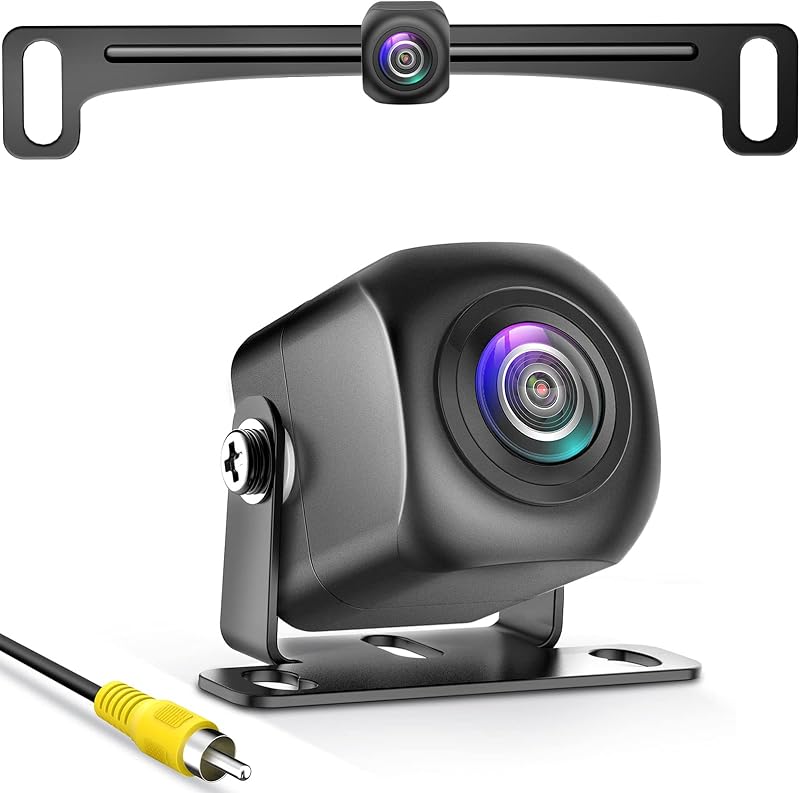
Dash Cam Power Cord USB C –
A reliable pick for Dash Cam Power Cord USB, selected based on this article's guidance.

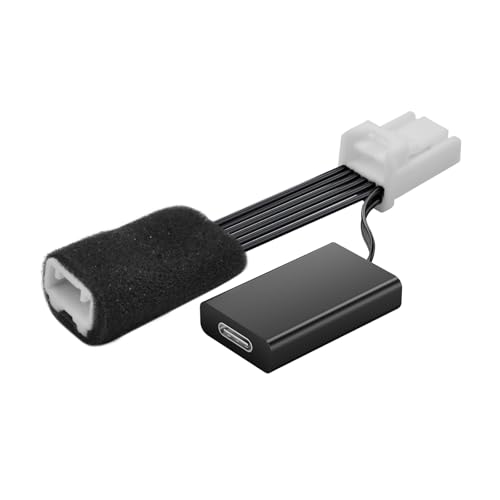
YQMAJIM Dash Cam Extension Cable,(4Pin 3.3ft) Rear
A reliable pick for YQMAJIM Dash Cam Extension Cable,(4Pin, selected based on this article's guidance.
Final Verdict & Decision Framework

Quick Decision Checklist
Are you willing to open your fuse box? If yes, hardwiring provides the best aesthetic and safety features. If you are intimidated by automotive electronics, DIY concealment is your safest path.
Our Framework for Choosing
| Goal | Recommended Method |
|---|---|
| Minimal Effort | DIY Tucking |
| Maximized Security | Professional Hardwiring |
| Vehicle Resale Value | DIY Tucking |
| Interior Aesthetics | Professional Hardwiring |
Frequently Asked Questions
Will hiding my dashcam cord void my vehicle's warranty?
A: Generally, no, provided you do not cut into factory wiring. Using fuse taps is considered a non-permanent, reversible modification.
Can I hide wires if I have side-curtain airbags?
A: Yes, but you must route the wire behind the airbag and not across it. Always consult your vehicle's manual for airbag deployment paths.
Do I need special tools to hide cords?
A: Using plastic trim removal tools is highly recommended to avoid damaging the vehicle's interior plastic panels.
How do I find a switched fuse?
A: Use a voltage tester or multimeter to identify a fuse that only carries power when the ignition is in the "on" or "accessory" position.
Is hardwiring safer than the cigarette lighter plug?
A: Hardwiring is generally more reliable as it removes the loose connection of a plug, which can be prone to vibrations and intermittent power failures.
Can I DIY a hardwire installation?
A: Yes, many consumers install hardwire kits themselves with basic tools and instructions provided by the camera manufacturer.
Does hardwiring affect my battery life?
A: Quality hardwire kits include voltage cutoff sensors that prevent the dashcam from draining your car battery below a safe starting threshold.
What is the biggest risk of DIY hiding?
A: The biggest risk is improper cable routing that interferes with airbag deployment or causes excessive cable tension that damages the connector ports.
Key Takeaways
- 1 Can dashcam cords be hidden? Yes, either through manual tucking or electrical integration.
- 2 DIY concealment is faster and non-permanent, suitable for most users.
- 3 Hardwiring is superior for advanced features like 24/7 parking surveillance.
- 4 Always verify airbag locations before running wires behind A-pillar covers.
- 5 Hardwire kits protect your battery by sensing voltage levels automatically.
- 6 Proper cable management prevents rattling and audio interference.
- 7 Your choice should be dictated by your long-term plans for the vehicle and your comfort with electrical work.
Conclusion
Ultimately, the answer to whether dashcam cords can be hidden is a definitive yes. Whether you choose the non-invasive DIY route or the more robust hardwiring method, a clean setup significantly enhances the look and safety of your cabin.
If you prefer a plug-and-play experience that you can move from car to car, stick to manual concealment tools. If you are building a permanent security suite, hardwiring is the standard for long-term consistency.
Take your time with the installation; a methodical approach ensures a professional result that will last for years to come.