Determining the best place to fit a dash cam involves choosing between two primary installation surfaces: the windshield or the dashboard. While both locations are popular, your choice impacts field of view, potential blind spots, and overall legality.
Many drivers struggle to decide between these two locations because they prioritize different outcomes: windshield mounts often provide a better, more natural vantage point, while dashboard mounts are sometimes chosen to avoid obstructing the driver's view or for easier access to cabling.
This guide breaks down the technical and practical differences between windshield and dashboard mounting, providing a framework to help you decide which setup aligns with your vehicle interior and legal requirements by the end of this analysis.
- Field of view optimization and obstructions
- Installation stability and vibration management
- Legal compliance regarding driver sightlines
- Accessibility for power and memory card maintenance
- Long-term durability under varying temperature conditions
Overview & Head-to-Head Summary

Windshield Mounting Overview
Windshield mounting is the industry standard. By attaching to the glass behind the rearview mirror, the camera captures a high-perspective, expansive view of the road. This location is generally considered the most effective for capturing lane markings and traffic signals, though it requires precise placement to avoid interfering with driver vision.
Dashboard Mounting Overview
Dashboard mounting usually involves placing the camera on a weighted mat or using an adhesive base on the dash itself. While this keeps the windshield clear of clutter, it results in a lower angle, which may be more susceptible to reflections from the hood and may be partially obscured by tall vehicles or obstacles in front of you.
| Feature | Windshield Mount | Dashboard Mount |
|---|---|---|
| Field of View | High and Wide | Low and Narrower |
| Driver Obstruction | Moderate (if placed poorly) | Minimal |
| Setup Complexity | Low (usually suction/adhesive) | Moderate (stability issues) |
| Glare Potential | Low to Moderate | High (dashboard reflections) |
Always verify your local regulations before mounting; some states strictly prohibit objects on the windshield that obscure the driver's line of sight. Learn more about professional installation at How much installing a dash camera costs: A Complete Pricing Guide.
Key Differences & Core Features

Architectural Positioning and Sightlines
The core difference between these methods is elevation. A windshield mount operates from a vantage point roughly at eye level, which mimics the driver's perspective. In contrast, a dashboard mount is often situated lower, potentially increasing the risk of the camera being blocked by the steering wheel or other interior components.
Cable Management and Aesthetic Integration
Windshield-mounted cams typically allow for easier cable routing along the headliner and A-pillar. Dashboard-mounted units may require running wires across the dashboard surface, which can be less aesthetically pleasing and more challenging to secure against heat-induced adhesive failure. Explore power options in our guide: How are dash cams powered? The complete guide to installation methods.
| Difference | Windshield Mount | Dashboard Mount |
|---|---|---|
| Vibration Stability | High (solid glass) | Moderate (plastic dash) |
| Heat Resistance | Moderate (direct sun) | Variable (heat buildup) |
| Primary Benefit | Maximum visual coverage | Clean, unobstructed windshield |
Performance & Real-World Analysis

Evaluating Visual Data Quality
Performance at the windshield is generally superior for incident recording because the camera is closer to the primary focus area of the road. Dashboard mounting can introduce "dashboard bounce" where vibrations in the plastic dash are transmitted to the camera, potentially leading to jittery footage.
Optimizing for Environmental Factors
Reflections are the biggest performance killer. A camera on the windshield can be angled to minimize the glare of the dash reflected in the glass. Dashboard units face the windshield directly, often picking up intense reflections of the cabin interior.
Positioning Check: Temporarily secure your camera with painter's tape to both locations and record a 5-minute drive.
Identify if your dashboard reflection ruins the clarity of license plates in the recorded footage.
Vibration Assessment: Review footage for "rolling shutter" or micro-stuttering.
If the dashboard is plastic-heavy or uneven, it may vibrate more than the structural glass.
Regulatory Compliance: Measure the "no-go" zones on your windshield provided by local transit authorities.
Ensure your choice doesn't violate visibility laws which could result in a fine.
Most experts agree that the windshield is the consistent winner for incident recording due to the reduced vibration and elevated field of view.
Best Use Cases & Ideal Scenarios

When Option A (Windshield) Makes More Sense
If you want the most reliable legal evidence and a clear, panoramic view, the windshield is the superior choice. It is ideal for drivers who commute in heavy traffic where capturing incidents at the hood level is critical.
When Option B (Dashboard) Makes More Sense
A dashboard mount is preferable for vehicles with steep, vertical windshields where a traditional mount feels too intrusive, or if you prefer a "stealth" look that does not draw attention to the camera from outside the vehicle.
When It Genuinely Doesn't Matter
For basic monitoring in a slow-moving, low-stakes environment, either position will adequately capture the basics. If your camera has a wide enough FOV, the minor difference in angle will rarely affect the outcome of a simple footage review.
Recommended Equipment & Solution

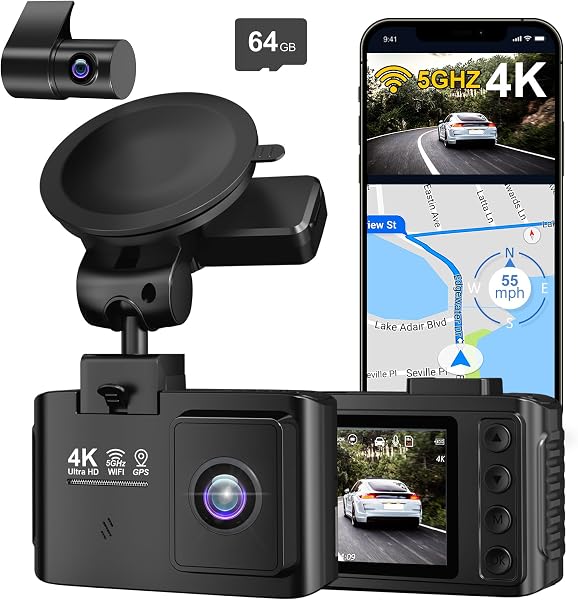
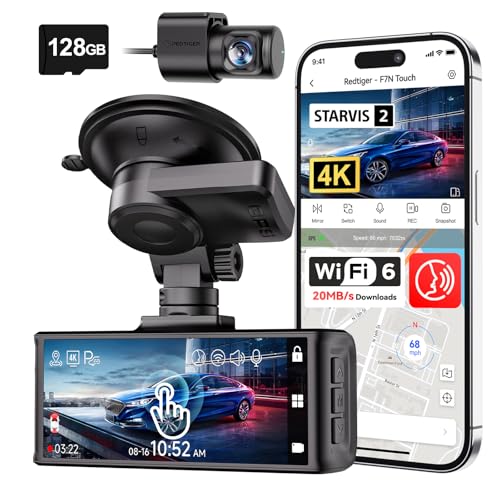
ROVE R2-4K Dual Dash Cam Front
A reliable pick for ROVE R2-4K Dual Dash Cam, selected based on this article's guidance.

4Pcs Adhesive Sticky Pads for Dash Cam
A reliable pick for 4Pcs Adhesive Sticky Pads, selected based on this article's guidance.
Final Verdict & Decision Framework

Quick Decision Checklist
Choose the Windshield Mount if you prioritize video evidence quality, stability, and standard mounting ease. Choose the Dashboard Mount only if you have specific interior clearance constraints or strong personal preferences regarding windshield clutter.
Our Framework for Choosing
| Your Priority | Recommended Location |
|---|---|
| Incident Evidence | Windshield |
| Clean Visibility | Dashboard |
| Easy Installation | Windshield |
Frequently Asked Questions
Is it legal to mount a dash cam on the windshield?
A: Yes, in most jurisdictions, provided it does not significantly obstruct the driver's view of the road. Always check local laws regarding specific placement zones.
Does temperature affect where I should mount my camera?
A: Extremely high heat can cause suction cups to fail on the windshield. Adhesive mounts are more durable in high heat, regardless of the mounting surface.
Will a dashboard mount vibrate more?
A: Generally, yes. Because the dashboard is typically made of plastic or foam and held by clips, it is more susceptible to road vibrations than the structural glass of the windshield.
Can dashboard mounts be easily removed?
A: Many dashboard mounts use adhesive discs that are semi-permanent. Windshield suction mounts are usually easier to remove and reposition.
Does my car insurance require a specific mount?
A: Most insurance companies do not specify the mounting location, provided the dash cam functions correctly and does not obstruct the driver's safety.
What if my car has a sloped dashboard?
A: A sloped dashboard makes it difficult to secure a flat mounting surface. In these cases, the windshield is almost always the only viable option.
Does the mounting place impact night vision?
A: Yes, a dashboard mount may catch more light reflections from the cabin or the instrument cluster, potentially causing glare that interferes with night recordings.
Can I use both?
A: It is possible but unnecessary. It is better to choose the single most stable location that offers the best field of view to simplify wiring and maintenance.
Key Takeaways
- 1 Windshield mounting offers the most stable and high-quality recording perspective.
- 2 Dashboard mounts are better suited for specific aesthetic or windshield-clearance needs.
- 3 Vibrations are more common in dashboard setups, which can impact footage stability.
- 4 Always ensure your placement complies with local laws regarding driver sightline obstructions.
- 5 Reflective glare is a major performance factor that affects both locations but is often worse on the dashboard.
- 6 Cable management is usually more intuitive and easier to hide with a windshield-based setup.
- 7 Testing your specific vehicle's texture is crucial before committing to an adhesive mount.
Conclusion
Choosing the best place to fit a dash cam ultimately comes down to balancing your need for clear, steady footage against your personal preference for a clutter-free windshield. While both options have valid applications, the evidence heavily favors the windshield for its superior stability and field of view.
For those interested in how these devices function when the engine is off, check out Do dash cams record when the car is off? Everything You Need to Know for 24/7 Security.
Prioritizing the structural reliability of your mount will ensure your dash cam captures the critical moments when you need them most.