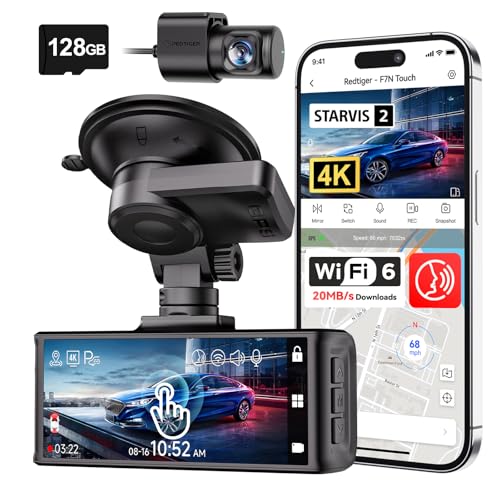
Determining what is a good dash cam for a toyota often comes down to choosing between dedicated integrated systems and universal aftermarket units. Toyota owners frequently weigh the aesthetic appeal of a factory-look camera against the advanced, modular capabilities of universal recording devices.
Many owners feel overwhelmed by the sheer volume of dash cam models, complicated installation requirements, and varying compatibility with Toyota’s specific electrical architecture. Understanding how these systems differ is essential for ensuring both vehicle safety and warranty compliance.
This guide breaks down the technical and practical differences between integrated and universal dash cams. By the end, you will be able to select the solution that best balances your specific needs for reliability, ease of use, and visual integration.
- Visual Integration: How the camera fits your cabin design.
- Installation Complexity: From DIY plug-and-play to professional hardwiring.
- Feature Sets: Comparing basic recording to cloud and parking-ready systems.
- Power Management: How different units handle battery drain and parking security.
- Cost Factors: Understanding the total investment for hardware and labor.
Overview & Head-to-Head Summary

Integrated OEM-Style Dash Cams
Integrated cameras are designed to replace your existing rearview mirror shroud or sit flush against the windshield, mimicking original manufacturer components. These are excellent for Toyota drivers who prioritize a clean, clutter-free cabin appearance and want their security system to feel like a standard vehicle feature.
Universal Aftermarket Dash Cams
Universal dash cams are modular devices that use adhesive or suction mounts. They typically offer more frequent technology refreshes, allowing access to the latest sensors, mobile app interfaces, and cloud-based features. These are often preferred by drivers who want top-tier performance without being tethered to a specific car model’s design.
| Feature | Integrated | Universal |
|---|---|---|
| Aesthetics | OEM/Flush | Visible/Modular |
| Installation | Specialized | Universal |
| Tech Refresh | Slow | Fast |
| Visibility | Low Impact | High Impact |
Before buying, check how dash cams are powered in your specific model, as some newer Toyotas have restricted space in the overhead console.
Key Differences & Core Features

Architectural and Aesthetic Differences
Integrated cams are built for a specific Toyota housing, meaning no wires are visible. Universal cams often require cable management kits to hide wires that lead to the cigarette lighter or fuse box. This choice dictates whether your priority is visual harmony or ease of maintenance.
Installation and Serviceability Differences
While integrated units require specific knowledge of your vehicle’s trim removal, universal units are generally more portable if you switch vehicles. Reviewing professional installation costs is crucial here, as specialized integrated systems often demand higher labor fees due to the need for delicate interior work.
| Category | Integrated | Universal |
|---|---|---|
| Cable Visibility | Hidden/Minimal | Depends on Setup |
| Portability | Low | High |
| Mounting | Custom Bracket | Adhesive/Suction |
| Repair Ease | Difficult (Proprietary) | Easy (Swap-out) |
Performance & Real-World Analysis

Evaluating Sensor Reliability
In real-world tests, universal cams often outperform integrated models in low-light scenarios due to larger sensor sizes, which don't have to fit inside tight factory housing. However, integrated cams offer superior stability because they are rigidly mounted to the windshield structure.
Long-Term Reliability Expectations
Performance remains consistent if you use high-quality, high-endurance memory cards regardless of whether you choose an integrated or universal model.
Best Use Cases & Ideal Scenarios

When Integrated Options Make More Sense
Choose an integrated cam if you own a luxury Toyota trim (like certain Crown or Land Cruiser models) where maintaining the premium cabin aesthetic is paramount. These are also ideal for leased vehicles where you prefer a non-invasive, clean installation.
When Universal Options Make More Sense
Universal models are perfect for the budget-conscious driver or those who want to carry their camera from one vehicle to the next. They offer the best bang for your buck regarding camera sensor technology and software updates.
When It Genuinely Doesn't Matter
If your priority is simply having a record of your commute and you are comfortable with basic DIY, the brand choice matters less than the specific resolution (e.g., 2K vs 4K) and your choice of memory card.
Recommended Equipment & Solution

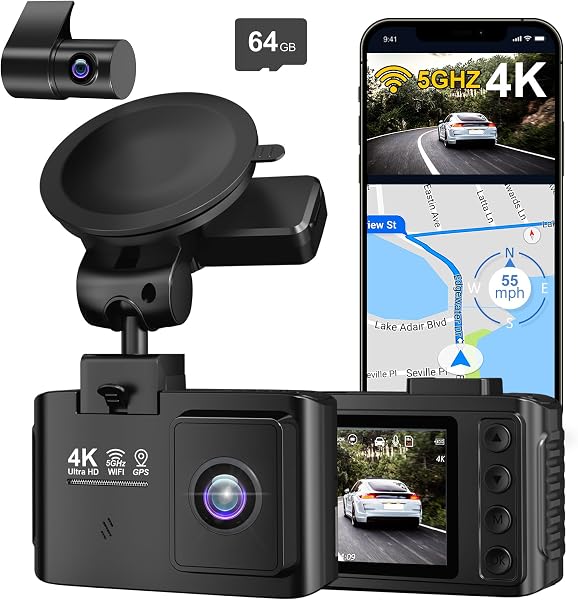
Fitcamx 4K Dash Cam Suitable for Toyota
A reliable pick for Fitcamx 4K Dash Cam Suitable, selected based on this article's guidance.

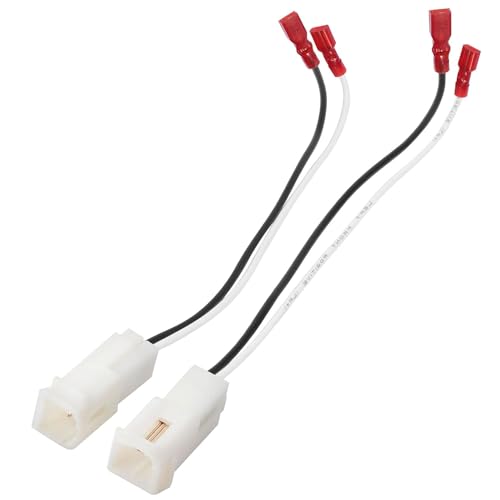
Dashcam Power Adapter for Toyota/Lexus (12-Pin,Model C)
A reliable pick for Dashcam Power Adapter for Toyota/Lexus, selected based on this article's guidance.
Final Verdict & Decision Framework

Quick Decision Checklist
Start by identifying if you prioritize Aesthetics (Integrated) or Technology/Value (Universal). Once that is settled, verify the power requirements for your specific Toyota model year.
Our Framework for Choosing
| Priority | Recommended Path |
|---|---|
| Cabin Aesthetics | Integrated OEM-Style |
| Latest Tech/Specs | Universal Modular |
| Leased Vehicle | Integrated (Minimal Damage) |
| Portability | Universal |
Frequently Asked Questions
Can I install a dash cam myself?
A: Yes, basic universal units are plug-and-play. Integrated ones often require trim removal.
Does a dash cam void my Toyota warranty?
A: Generally, no, provided the installation does not cause electrical system failures. Avoid splicing wires when possible.
What is the best resolution for a dash cam?
A: 1440p (2K) is considered the sweet spot for balance between detail and file size.
How do I hide the wires?
A: Use a trim tool to tuck wires into the headliner and side pillars.
Do I need a rear camera?
A: Yes, a dual-channel (front and rear) system offers much better protection in rear-end collisions.
Will a dash cam drain my Toyota battery?
A: Only if hardwired improperly. Use a battery-monitoring hardwire kit to prevent this.
How often should I format the SD card?
A: It is best practice to format the card every 1-2 months to ensure peak performance.
Can I use a GoPro as a dash cam?
A: While possible, it is not recommended due to lack of looping recording and auto-start features.
Key Takeaways
- 1 Integrated cams offer better cabin aesthetics but are harder to upgrade.
- 2 Universal cams provide better technology value and portability.
- 3 Always use high-endurance memory cards for reliable video storage.
- 4 Hardwiring is necessary for parking mode, but use a battery monitor.
- 5 Check vehicle console space before choosing an integrated unit.
- 6 Resolution matters, but sensor quality is more important for low-light.
- 7 Professional installation is recommended if you are uncomfortable with electrical work.
Conclusion
Choosing a dash cam for your Toyota involves balancing your aesthetic preferences with your technical requirements. Whether you select an integrated unit for a factory-clean look or a universal camera for its high-performance specs, the most important aspect is ensuring consistent power and reliable storage.
By evaluating your specific driving habits and interior space, you can select a system that provides peace of mind without compromising your vehicle’s integrity. Remember that the best system is the one that is reliably installed and properly maintained.
Selecting the right dash cam ultimately depends on your priority for cabin design versus performance, and we hope this guide has made that decision clearer for you.
Learn more about professional installation costs and strategies here.