Deciding what are the best fuses to hardwire a dash cam often comes down to choosing between specialized "Add-a-Circuit" fuse tap kits and traditional direct-wired fuse connections. These two methods represent the primary pathways for integrating a dash cam into your vehicle’s electrical system, each offering distinct advantages in safety, installation simplicity, and long-term hardware reliability.
Many vehicle owners feel overwhelmed by the variety of fuse types—such as ATO, Mini, Micro2, and LP-Mini—and the conflicting advice on which connection method is safest. Because hardwiring involves tapping into the car’s existing fuse box, selecting the correct hardware is essential to prevent electrical strain or blown circuits.
This guide analyzes the technical differences between these connection methods, helping you determine which hardware suits your specific vehicle and technical skill level. By the end, you will be able to select the optimal setup for your how to hardwire a dash cam project.
- Safety protocols for circuit protection
- Compatibility with common vehicle fuse box types
- Installation complexity and wire management
- Long-term durability and vibration resistance
- Electrical load considerations for dash cams
Overview & Head-to-Head Summary

The Add-a-Circuit Fuse Tap Approach
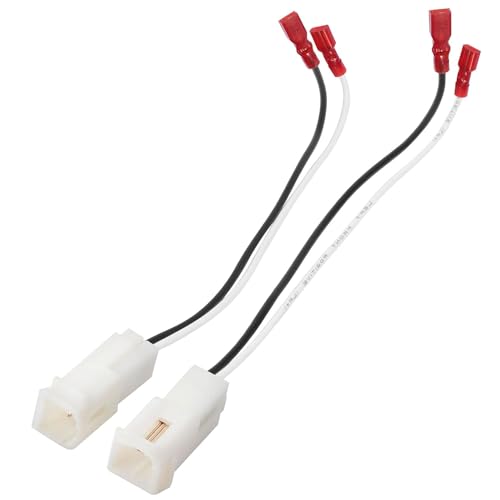
The Add-a-Circuit (or fuse tap) is a widely used accessory that plugs into an existing fuse slot. It provides a secondary power feed for the dash cam while maintaining the original circuit’s protection, making it a favorite for DIY enthusiasts who prioritize non-destructive installation.
The Direct-Solder or Manual Connection
Some installers prefer bypassing adapters to solder wires directly to fuse legs or power terminals. While this method creates a more permanent, custom connection, it requires higher technical proficiency and is generally less reversible than using an adapter kit.
| Feature | Add-a-Circuit | Direct-Solder |
|---|---|---|
| Installation | Beginner-friendly | Advanced |
| Reversibility | High | Low |
| Hardware Cost | Low | Very Low |
| Safety | High (Fused) | Variable |
Regardless of the method, always ensure your hardware matches the battery life on dash cam power requirements to prevent unnecessary drain.
Key Differences & Core Features

Mechanical Design and Compatibility
Add-a-Circuit kits are manufactured to fit specific fuse profiles like Micro2 or Mini. Their mechanical design allows them to "piggyback" on an existing connection, which is vital for keeping your dash cam functional without interfering with essential systems like airbags or fuel pumps.
Electrical Integrity and Load Handling
When considering what are the best fuses to hardwire a dash cam, one must evaluate how the chosen method handles current. Fuse taps provide dedicated slots for both the original fuse and the dash cam's fuse, ensuring that each circuit remains protected independently if a surge occurs.
| Dimension | Add-a-Circuit | Direct-Solder |
|---|---|---|
| Circuit Separation | Isolated | Shared |
| Vibration Resistance | Moderate | High |
| Warranty Impact | Minimal | High Risk |
For more insights on specialized installations, consider reading about non GPS dashcam setups where clean power delivery is critical.
Performance & Real-World Analysis
Evaluating Voltage Stability
Stability is the primary goal when wiring electronics. A loose fuse tap can lead to intermittent power issues, causing the camera to reboot frequently while driving. Proper seating is the most important factor in real-world performance.
Risk Management in Electrical Systems
Understanding the load capacity of your vehicle's fuse box is essential. Overloading a circuit, even with a tap, can lead to blown fuses or, in extreme cases, localized heating.
Consistent, reliable power is achieved when the fuse tap matches the specific slot profile of the fuse box, eliminating the need for modification.
Best Use Cases & Ideal Scenarios

When Add-a-Circuit Makes More Sense
This is the ideal solution for 95% of vehicle owners. It requires no permanent modification to the vehicle's wiring loom, making it perfect for leased vehicles or those with factory warranties still in effect.
When Direct-Solder Makes More Sense
This is limited to professional automotive installers or custom show-car builds where aesthetics and wire cleanliness are the absolute priority and reversible installation is not a concern.
When It Genuinely Doesn't Matter
If you are a professional with experience using high-quality wire terminals and heat shrink, the electrical outcomes of a perfect solder joint versus a high-quality fuse tap are often indistinguishable in daily operation.
Recommended Equipment & Solution
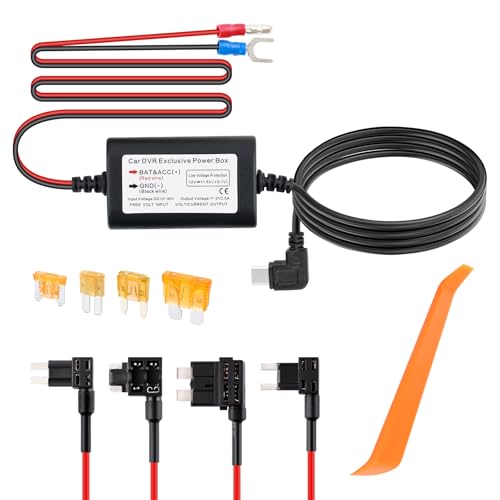
9.68Ft Type C Dash Cam Hardwire Kit,Low
A reliable pick for 9.68Ft Type C Dash Cam, selected based on this article's guidance.
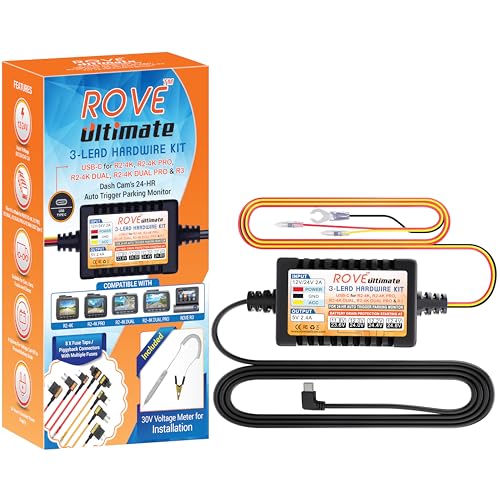
ROVE Ultimate Dash Cam Hardwire Kit, USB-C
A reliable pick for ROVE Ultimate Dash Cam Hardwire, selected based on this article's guidance.
Final Verdict & Decision Framework

Quick Decision Checklist
If your goal is a safe, reversible, and fast installation, the Add-a-Circuit kit is the standard recommendation. It mitigates the risk of short-circuiting and protects both the dash cam and the car's existing electronics.
Our Framework for Choosing
Base your decision on your comfort with automotive electricity and the long-term intent for your vehicle.
| Your Goal | Recommended Choice |
|---|---|
| Leased Car / Warranty | Add-a-Circuit |
| Custom Professional Build | Direct-Solder |
| DIY Beginner | Add-a-Circuit |
Frequently Asked Questions
What are the best fuses to hardwire a dash cam?
A: The best choice is a dedicated "Add-a-Circuit" fuse tap kit that matches your vehicle's specific fuse profile.
Will hardwiring a dash cam void my warranty?
A: Using an Add-a-Circuit tap is generally safer for warranties because it does not require cutting or stripping original factory wires.
Can I use any fuse slot for a dash cam?
A: No, you should only use slots that are not essential for critical systems like airbags or engine management.
What happens if I use the wrong fuse rating?
A: Using a fuse with too high a rating can lead to fire risks, while one too low will cause the fuse to blow instantly when the camera powers up.
Is it better to use constant or switched power?
A: Switched power is generally better for dash cams that should only record while the car is running to save the battery.
How do I know which fuse type my car uses?
A: Check your vehicle owner's manual or pull a fuse from the box to see if it is labeled as Mini, Micro2, or ATO.
What tools do I need for hardwiring?
A: You typically need a fuse puller, a multimeter to test for power, and a wire crimping tool for the kit.
Are fuse taps reliable over time?
A: Yes, provided they are seated correctly and the wire is secured to prevent tugging on the connection.
Key Takeaways
- 1 Always verify if the chosen slot is switched or constant power.
- 2 Add-a-Circuit kits are the industry standard for safe, non-permanent installations.
- 3 Never tap into critical safety systems such as airbags or steering control.
- 4 A multimeter is the most important tool to ensure the circuit behaves as expected.
- 5 Match the fuse tap to the exact size of your vehicle’s factory fuses.
- 6 Properly grounding the dash cam is just as important as the positive fuse connection.
- 7 Professional installations usually prefer fuse taps for their safety and reversibility.
Conclusion
Choosing between hardwiring methods is essentially a trade-off between convenience and customization. For the vast majority of users, the Add-a-Circuit approach provides the safest, most efficient, and most reversible way to get your dash cam running.
By focusing on proper circuit selection and secure connections, you ensure your dash cam remains reliable for years to come. Remember that even the best hardware requires careful installation to avoid common electrical pitfalls.
With the right fuse connection, you can safely enjoy the benefits of your dash cam while keeping your vehicle's factory wiring integrity intact.