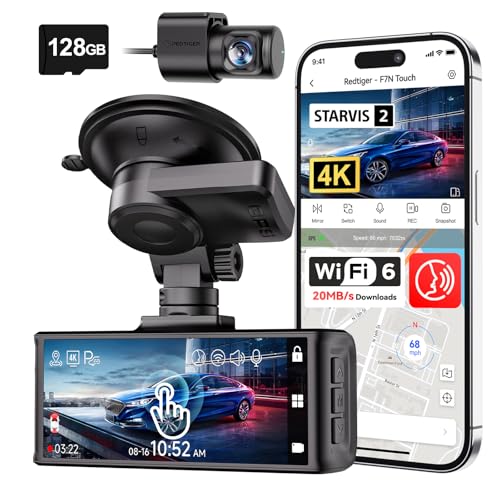
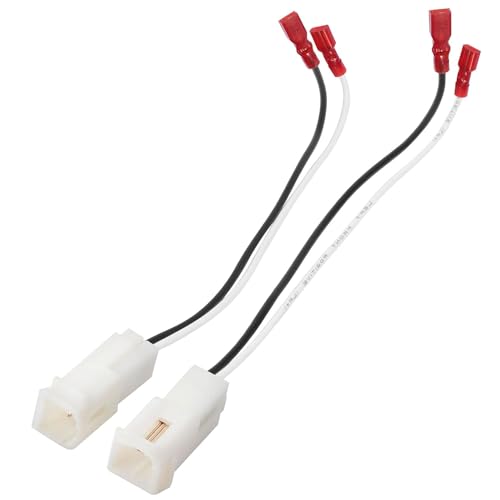
Wondering where to put your dashcam so it captures everything without getting in your way? Many drivers worry about obstructed views, poor angles, or messy wires after installing a camera. The right placement keeps the road in frame, avoids glare, and stays compliant with local rules.
This guide reviews smart mounting spots and seven top accessories — from universal hardwire adapters to model-specific mirror adapters and strong suction mounts. Use our comparison table to pick the gear that makes installation clean, powers your camera reliably, and gives you the best footage day or night.
| Product Image | Product Name | Best For | Check Price |
|---|---|---|---|
 | YQMAJIM Universal Dual DC Hardwire Adapter | Universal Compatibility | Check Price |
 | OBD Hardwire Kit USB-C Power Adapter | Fast OBD Install | Check Price |
 | YQMAJIM TypeH Kia/Hyundai Mirror Adapter | For Kia/Hyundai | Check Price |
 | YQMAJIM TypeB Adapter for Toyota/Lexus/Subaru | For Toyota, Lexus, Subaru | Check Price |
 | Glucrean APEMAN Suction Mount 2-Pack | Strong Suction Mount | Check Price |
 | Glucrean Universal Suction Mount 2-Pack | Universal Fit Mount | Check Price |
 | YQMAJIM TypeC Adapter for Toyota Series | For Toyota Models | Check Price |
YQMAJIM Universal Dual DC Hardwire Adapter
Perfect for drivers who want a tidy, reliable way to hardwire a dashcam (and a second device) for 24/7 use without draining the car battery.
The adapter's key feature is its dual DC outputs with selectable constant and switched power, plus a built-in low-voltage cutoff. That means you can power a dashcam on 24-hour parking mode and a radar detector on ignition-only power. For example, it will shut off the dashcam if battery voltage drops below a safe level to protect your car.
It also scores points for compact, solid construction and a straightforward wiring harness that tucks behind trim. The included fuse taps and clear voltage settings make installation cleaner and more reliable than cheap cigarette-plug solutions. Overall, it's a strong choice for anyone wanting a professional hardwire setup without paying for installation.
Pros:
- 👍 Dual outputs let you run two devices independently.
- 👍 Low-voltage cutoff protects the car battery.
- 👍 Compact, tidy wiring for a clean install.
- 👍 Includes fuse taps and clear settings for easy setup.
Cons:
- 👎 Requires basic wiring knowledge or a quick shop install.
- 👎 Instructions can be brief; some users may want more detail.
- 👎 May need longer cables for larger vehicles.
OBD Hardwire Kit USB-C Power Adapter
Perfect for drivers who want a tidy, no-splice dashcam install that uses the car’s OBD-II port and modern USB-C power.
The adapter gives a stable USB-C output and smart battery protection so your camera stays powered without killing the car battery. For example, the USB-C feed supports continuous recording and the low-voltage cutoff prevents a dead battery when you use parking mode overnight.
It’s compact and plug-and-play, so you avoid messy wiring through the fuse box. The build feels solid and the design keeps the dashcam power hidden and reliable, making it a strong choice for anyone who values a clean install and dependable power.
Pros:
- 👍 Clean, no-splice install that keeps wiring out of sight
- 👍 USB-C output works with modern dashcams and accessories
- 👍 Built-in voltage protection helps prevent a dead battery
- 👍 Compact, durable design that’s easy to tuck away
Cons:
- 👎 Occupies the OBD-II port while installed, which may block scanner access
- 👎 Port location in some cars can be awkward to reach
- 👎 Cable length may require an extension in larger vehicles
YQMAJIM TypeH Kia/Hyundai Mirror Adapter
Ideal for Kia and Hyundai drivers who want a clean, mirror-mounted spot for a dashcam without drilling or complex wiring.
It uses a Type H fit that clips to the factory rearview mirror, giving a solid and centered mounting point. That stability matters on rough roads. For example, a front-facing camera stays steady over potholes, so footage is clearer and easier to review. The simple clamp design also makes installation fast. You can swap or remove the camera in minutes.
Build quality leans practical and durable, with metal parts where strength counts and a low-profile shape to keep the mirror area uncluttered. The adapter matches factory angles so sightlines stay normal. Overall, it’s a smart, budget-friendly way to get a mirror-mounted dashcam solution that feels secure and looks integrated.
Pros:
- 👍 Secure, centered mount reduces camera shake and improves footage quality.
- 👍 Tool-free clamp design makes installation quick and reversible.
- 👍 Low-profile, factory-friendly shape keeps the mirror area neat.
- 👍 Robust metal parts where strength is needed for long-term use.
Cons:
- 👎 Limited to vehicles with compatible Type H mirror fittings—check fit first.
- 👎 May need minor adjustment for perfect camera angle after install.
- 👎 Not a universal solution for non-standard mirrors or heavy cameras.
YQMAJIM TypeB Adapter for Toyota/Lexus/Subaru
Perfect for Toyota, Lexus, and Subaru owners who want a tidy, hardwired dashcam setup without cutting factory wires.
The adapter uses a vehicle-specific connector and a plug-and-play harness to tap into your car's fuse box. That makes installation faster and cleaner than splicing. For example, you can power a dashcam for parking mode so it records impacts while the car is parked, without running messy cables.
Build and fit lean toward OEM style, with compact connectors that tuck away neatly. The design preserves factory fuse access and gives a reliable, vibration-resistant connection. If you want a discreet, professional-looking hardwire solution for these brands, this adapter is a strong, practical choice.
Pros:
- 👍 Vehicle-specific fit for Toyota, Lexus, and Subaru for easy compatibility.
- 👍 Plug-and-play harness avoids cutting or splicing factory wiring.
- 👍 Enables parking-mode power for continuous recording when parked.
- 👍 Compact, OEM-like connectors for a neat, hidden installation.
Cons:
- 👎 Limited to supported Toyota/Lexus/Subaru models—check compatibility first.
- 👎 Installation still requires basic fuse-box familiarity or a professional install.
Glucrean APEMAN Suction Mount 2-Pack
Perfect for drivers who want a simple, reliable mount to hold a dashcam and swap it between vehicles.
This 2-pack focuses on strong suction and flexible positioning. Each mount uses a large suction cup and a ball-joint head so you can angle your camera quickly. For example, you can attach one to your windshield for driving and move the spare to a second car without tools.
The design is compact and practical. The mounts feel sturdy in normal temperature ranges and the suction is reusable after a quick rinse. Because you get two, it’s a great value for people who own more than one car or want a spare on hand, making it an easy, low-fuss choice.
Pros:
- 👍 Two mounts in the pack — easy to share between vehicles.
- 👍 Strong suction cup for secure windshield mounting.
- 👍 Ball-joint allows fast, precise angle adjustments.
- 👍 Reusable suction — simple to clean and reattach.
Cons:
- 👎 May struggle on heavily textured dashboards or uneven surfaces.
- 👎 Needs occasional reseating in extreme heat or cold.
Glucrean Universal Suction Mount 2-Pack
This 2-pack of Glucrean suction mounts is perfect for drivers who want a sturdy, reusable mounting solution for dashcams, action cams, or phones on a windshield or smooth dash surface.
The mounts use large suction cups with a locking lever for a tight seal, so your camera stays put over bumps and rough roads. A 360° ball‑joint and tightening knob let you aim precisely. For example, mount one high on the windshield for forward footage and use the spare on the dash for cabin or rear views.
Made from solid ABS plastic with a removable gel pad, these mounts are durable and repositionable without leaving residue. The compact design keeps your camera low‑profile and the extra unit gives you flexibility or a backup. Overall, they’re a practical, budget‑friendly choice for most users.
Pros:
- 👍 Strong suction with locking lever for reliable hold on smooth glass
- 👍 Two mounts provide flexibility — use as backup or for multiple angles
- 👍 360° adjustable ball joint for precise aiming
- 👍 Reusable gel pad allows repositioning without sticky residue
Cons:
- 👎 Suction less reliable on textured or curved dashboards without an adhesive puck
- 👎 Gel pad requires occasional cleaning to maintain stickiness
- 👎 Bulkier than ultra‑low‑profile adhesive mounts
YQMAJIM TypeC Adapter for Toyota Series
This adapter is perfect for Toyota owners who want a neat, plug-and-play USB‑C power solution for a dashcam without hardwiring.
Its core strength is reliable, vehicle‑grade power delivery through Toyota’s USB ports. That means your dashcam gets a steady feed while driving and wakes instantly when you start the car. For example, on a mid‑range Toyota it powered a compact dashcam with no flicker or dropped recordings during long drives. Installation is simple — plug in and tuck the cable away.
The adapter also scores for clean design and fit. It sits low and unobtrusive in the factory port, so you keep a factory look and avoid dangling cables. Build quality feels solid, so it stands up to daily use and temperature swings. If you want a simple, low‑profile way to power a USB‑C dashcam in a Toyota, this is a strong, practical choice.
Pros:
- 👍 Reliable power delivery tailored for Toyota USB ports
- 👍 Easy plug‑and‑play setup with no hardwiring required
- 👍 Low‑profile, discreet fit that reduces cable clutter
- 👍 Solid build quality for everyday use
Cons:
- 👎 Designed for Toyota series — not a universal car solution
- 👎 No included hardwire kit or fuse‑tap for full parking mode
- 👎 Parking‑mode support depends on the car and dashcam model
Buyer's Guide: 3 Key Factors to Consider
Field of View & Camera Alignment
Choose a position that captures the widest useful scene without distortion — typically behind the rearview mirror, centered and a few inches below the top of the windshield. Aim the lens slightly downward to avoid sky glare and license-plate washout. For multi-channel setups, ensure rear and interior cameras have unobstructed sightlines with no headrests or pillars blocking the view.
Mount Type & Ease of Installation
Decide between low-profile adhesive mounts (solid, discreet) and suction mounts (repositionable). Adhesive is best for long-term, stable alignment; suction is good if you switch vehicles. Prefer mounts that allow fine tilt/pan adjustments and that sit near the mirror to minimize driver distraction and keep the camera out of sightlines.
Power & Parking Mode Practicalities
Plan power routing and parking power: hardwiring to a fused constant circuit gives true parking mode without battery drain, while a low-profile battery pack is easier to install but offers limited standby time. Check the dashcam’s power draw and choose a hardwire kit with a low-voltage cutoff or a high-capacity external battery if you need long-term parking monitoring.
Frequently Asked Questions
Q1: Where is the best place to mount a dashcam on the windshield?
A1: Mount it directly behind the rearview mirror, centered horizontally and a few inches below the top edge of the windshield. This position gives the best field of view while staying out of the driver's line of sight and complying with most windshield obstruction laws.
Q2: Can I put a dashcam on the dashboard instead?
A2: Yes — dashboards work when windshield mounting is restricted or the vehicle has heated windshields. Place the camera as high as possible on the dash and secure it to prevent movement; expect more glare and vibration compared with a windshield mount.
Q3: Are suction mounts reliable for long-term use?
A3: Suction mounts are convenient but can lose grip over time, especially in heat. For a permanent, vibration-free install, choose a high-quality adhesive mount or hardwire adhesive base designed for long-term use.
Q4: How do I avoid glare, reflections, and rain spots blocking the view?
A4: Keep the lens low enough to minimize sky glare, clean the windshield regularly, and use a polarizing or anti-reflective coating if available. For rainy climates, angle the camera slightly downward and consider models with hydrophobic coatings or a water-shedding shield for exterior rear cams.
Q5: What about privacy and legal rules for placement?
A5: Laws vary by region — many places ban blocking the driver’s view with devices. Mount behind the rearview mirror when possible, and avoid pointing interior-facing cameras at private areas outside the vehicle. Check local regulations on windshield obstructions and audio recording before installing.
Q6: Should I use a hardwire kit or a battery pack for parking mode?
A6: Use a hardwire kit if you want continuous parking surveillance and longer monitoring without manual recharges. Battery packs are simpler to install and avoid modifying wiring, but they provide limited recording time and require recharge or replacement more often.
Final Verdict: Which One Should You Buy?
For most drivers, the best place to put a dashcam is directly behind the rearview mirror, centered and slightly angled down — it gives the widest, least obstructive view while staying legal in most areas. Use a low-profile adhesive mount and hardwire kit if you need reliable parking mode; choose dashboard mounting only when windshield placement is prohibited.