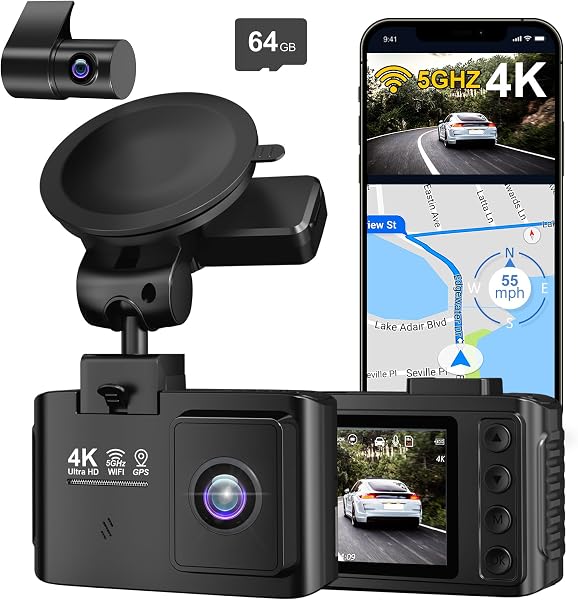
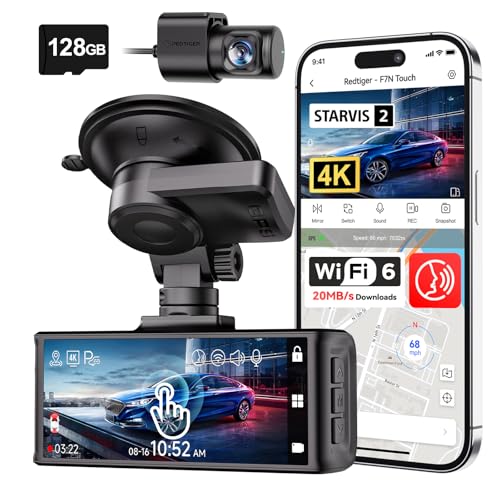
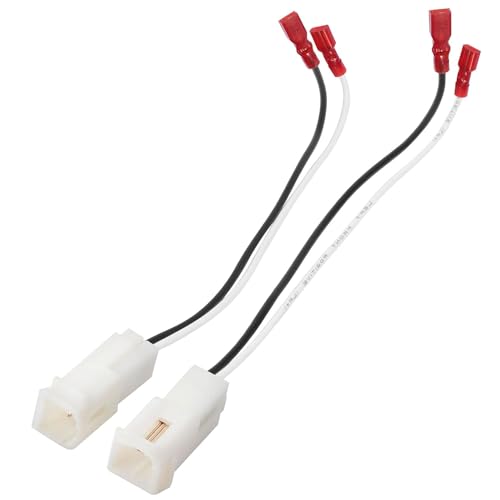
Installing a dash cam correctly is crucial for reliable performance and clear footage. A proper setup ensures your camera captures vital evidence without obstructing your view or damaging your vehicle's interior. This comprehensive guide walks you through the entire process, from choosing the ideal mounting location to concealing wires and configuring essential settings. Follow these professional steps to achieve a clean, permanent installation that provides peace of mind and maximum security on the road.
Key Takeaways
- 1. Choose a dash cam that matches your needs, considering factors like video resolution, parking mode, and GPS logging.
- 2. Mount the camera securely on the windshield behind the rearview mirror to ensure an unobstructed view and minimal driver distraction.
- 3. Route the power cable neatly along the headliner, down the A-pillar (avoiding airbags), and to your 12V socket or hardwiring kit.
- 4. For permanent installation and parking mode, hardwire the dash cam to the vehicle's fuse box using an appropriate kit and fuse tap.
- 5. Configure critical settings like loop recording, G-sensor sensitivity, and time/date stamp before regular use.
- 6. Regularly format the memory card within the dash cam to maintain reliability and prevent recording failures.
Gathering Your Tools and Choosing the Right Location

Before you begin, gather your essential tools: the dash cam unit, power cable, SD card (Class 10 or higher, endurance-rated is best), and a trim tool or plastic pry bar for safe wire routing. Ensure your vehicle's interior is clean, especially the windshield, as a clear mounting surface is critical for stable footage.
Choosing the optimal location requires balancing a clear field of view with minimal driver obstruction. The ideal spot is typically behind the rearview mirror, on the passenger side. This provides a wide-angle perspective while staying largely out of your sightline. Position the lens centrally, ensuring it has an unobstructed view of the road ahead without capturing excessive hood or sky.
Before permanently mounting, test this position. Sit in the driver's seat and verify the camera housing does not create a blind spot. Adhere the mount to a smooth section of glass, free from dots or tinting, as these can interfere with the adhesive suction cup or static sticker. Finally, plan your power cable route along the headliner and down the A-pillar toward your 12V socket or hardwiring kit, ensuring it will not interfere with airbag deployment.

Securing the Mount and Positioning the Camera
Proper mounting is the foundation of a functional dash cam system. Begin by thoroughly cleaning the windshield with isopropyl alcohol and a microfiber cloth at your chosen mounting point—typically behind the rearview mirror. This ensures a clear view for the lens and a strong adhesive bond.
Permanently affix the mount using its adhesive pad, applying firm pressure for 30 seconds. For a powered camera, route the power cable neatly: tuck it into the headliner, run it down the A-pillar (never interfering with airbags), and along the door seal to your 12V socket or hardwiring kit. Use cable clips for a professional, secure installation.
Finally, position the camera itself. The lens should be centered on the windshield, with the horizon line roughly in the lower third of the frame. Adjust the angle to capture the road ahead, your vehicle's hood, and the sky. Perform a test drive to verify the field of view captures crucial details like license plates and traffic signals without excessive dash or sky.
Routing and Concealing the Power Cable

For a clean, permanent installation, routing the power cable behind your vehicle's interior trim is essential. Begin by planning the route from the 12V socket (or hardwire kit connection point) to the camera, typically following the headliner down the A-pillar.
- Gather Tools: A plastic trim tool is non-negotiable for prying panels without damage. A microfiber cloth helps clean surfaces before adhesion.
- Route the Headliner: Gently tuck the cable into the gap between the headliner and windshield. The rubberized edge often allows for easy, tool-free concealment.
- Navigate the A-Pillar: Critical Safety Step: Before routing cable behind the A-pillar trim, detach it to ensure the cable is run behind any side-curtain airbags. Never let the cable cross or interfere with the airbag deployment path. Secure the cable with zip ties away from moving parts.
- Run to the Power Source: Continue routing down the door sill trim, under the dashboard, and to your power socket. Use existing wire channels where possible.
For a professional finish, use small amounts of adhesive-backed cable clips for any exposed sections. This method eliminates dangling wires, prevents distractions, and protects the cable from damage.
Connecting to Power: Lighter Socket vs. Hardwiring
Powering your dash cam is a critical installation choice. The two primary methods—using the lighter socket or hardwiring—offer distinct advantages depending on your needs.
Lighter Socket (Cigarette Lighter) Power: This is the universal plug-and-play solution. Simply plug the dash cam's included power adapter into your vehicle's 12V socket. It requires no technical skill, is easily transferable between vehicles, and allows for quick removal. The significant drawback is that it typically only provides power when the ignition is on, disabling valuable parking mode features that record while your car is unattended.
Hardwiring with a Kit: This involves connecting the dash cam directly to your vehicle's fuse box using a low-voltage cutoff hardwiring kit. While requiring more effort (often best left to professionals), it provides a clean, permanent installation with wires tucked into the headliner and A-pillar. Crucially, a proper hardwire kit enables parking mode by drawing minimal power from the battery, with built-in safeguards to prevent a dead battery. It also frees up your lighter socket for other devices.
For basic driving coverage, the lighter socket is sufficient. For comprehensive protection including parking surveillance, a professionally installed hardwiring kit is the superior, albeit more involved, investment.

Configuring Essential Settings for Optimal Recording
Properly configuring your dash cam's settings is crucial for capturing reliable footage when you need it most. Overlooking this step can result in failed recordings or unusable video.
Resolution & Loop Recording
Always set the resolution to the highest available (typically 1440p or 4K) for maximum detail. Ensure loop recording is enabled. This automatically overwrites the oldest files when the memory card is full, ensuring continuous recording.
G-Sensor & Parking Mode
The G-Sensor detects impacts and locks relevant footage to prevent overwriting. Set its sensitivity to medium to avoid trivial events filling your card. For 24/7 protection, configure parking mode. This requires a hardwiring kit and will record motion or impacts while your vehicle is parked.
Essential Final Steps
Format your high-endurance microSD card (Class 10 or above) within the dash cam before first use, and repeat monthly to prevent card errors. Finally, adjust the date and timestamp for accurate legal documentation. A quick test drive will verify all settings are functioning correctly.
Formatting the Memory Card and Testing the System
Before installing your dash cam, properly formatting the memory card is a critical, often overlooked step. Using a card straight from the package can lead to recording errors. Insert the microSD card into your computer, back up any existing data, and use the SDFormatter tool from the SD Association. This ensures a clean, compatible file system (typically exFAT for cards 64GB and larger).
Next, insert the card into the powered dash cam. Use the camera's menu to format the card again using its internal function. This creates the necessary folder structure for footage and event files. We recommend a high-endurance microSD card, Class 10 or U3, with a minimum capacity of 64GB for reliable loop recording.
Finally, conduct a full system test before permanent installation. Power the camera in your vehicle and verify:
- Clear front and rear (if applicable) video recording.
- Proper audio capture (if enabled).
- Correct timestamp and GPS data overlay.
- Successful activation of parking mode (if featured).
Review a short clip on your computer to confirm video quality. This pre-installation check prevents you from discovering a faulty setup after routing cables, saving significant time and ensuring your safety investment is fully operational from day one.
Maintaining Your Dash Cam for Long-Term Reliability
Proper installation is the foundation of your dash cam's performance and longevity. For optimal reliability, begin by securely mounting the camera behind the rearview mirror to minimize obstruction. Use the provided electrostatic sticker or suction cup on a clean, dust-free section of windshield.
Power routing is critical. Never let cables dangle. Instead, tuck the power cable neatly into the headliner, route it down the A-pillar (avoiding airbag deployment paths), and under the dashboard to your 12V socket or hardwiring kit. For a permanent, clean setup, consider a professional hardwire installation into your vehicle's fuse box; this enables parking mode functionality and eliminates cable clutter.
Finally, ensure the lens has a clear, unobstructed view of the road. Adjust the angle so the horizon is centered, capturing both the roadway and the sky. Periodically check the mount's adhesion and cable connections, as vibration can loosen them over time.
Troubleshooting Common Dash Cam Setup Issues
Even with careful planning, setting up your dash cam can present hurdles. Here are expert solutions to the most common setup issues.
Power Problems
If the dash cam won't turn on, first verify your power source. When using the cigarette lighter socket, ensure the adapter is fully seated and the vehicle is in the "ON" or "ACC" position. For hardwired installations, use a multimeter to test the fuse tap and confirm you've tapped a fuse that is ignition-switched (for parking mode) or constant (for always-on recording), as needed.
Memory Card Errors
Frequent "Card Error" messages are often due to an incompatible or faulty microSD card. Always use a high-endurance card designed for continuous video writing. Format the card within the dash cam's menu before first use and periodically thereafter to maintain performance and prevent corruption.
Poor Video Quality
Blurry or shaky footage typically stems from an improper mount or a dirty lens. Clean the windshield and the camera's lens with a microfiber cloth. Ensure the suction cup or adhesive mount is on a clean, grease-free surface and is securely fastened to eliminate vibration.
Wi-Fi/App Connection Issues
If the dash cam's Wi-Fi won't connect to your phone, disable your mobile data temporarily. Ensure you are connecting to the dash cam's network (often listed in your phone's Wi-Fi settings) and that the dedicated app is open. Restarting both devices often resolves handshake failures.
Frequently Asked Questions
What is how to set up dash cam and who should use it?
A: how to set up dash cam is a solution designed to address a specific set of needs for a defined audience. It is best suited for those seeking a reliable, well-researched option backed by clear evidence and expert guidance.
How long does it take to see results with how to set up dash cam?
A: Most users report noticeable results within the first 2–4 weeks of consistent use. Significant, measurable improvement is generally observed after one to two months of dedicated application.
Is how to set up dash cam suitable for beginners or experienced users?
A: how to set up dash cam is designed to accommodate a wide range of experience levels, from complete beginners to advanced practitioners. Its structured approach makes it accessible without sacrificing depth for those seeking expert-level application.
Can how to set up dash cam be combined with other approaches or products?
A: Yes, how to set up dash cam is generally compatible with complementary strategies and tools. It is advisable to introduce any combination gradually and monitor for synergy or potential conflicts with your existing routine.
What are the most common mistakes to avoid with how to set up dash cam?
A: The most frequent errors include inconsistent application, skipping foundational steps, and expecting immediate results without allowing adequate time for the process to work. Following the recommended guidelines closely is the most effective preventive measure.
How does how to set up dash cam compare to similar alternatives on the market?
A: how to set up dash cam distinguishes itself through its evidence-based formulation, transparent ingredient or methodology sourcing, and a track record of user-verified outcomes. Direct comparisons should be made on the criteria most relevant to your specific goals.
Are there any limitations or side effects associated with how to set up dash cam?
A: While how to set up dash cam is formulated to minimize adverse effects, individual responses can vary based on specific sensitivities or pre-existing conditions. Consulting with a relevant professional before starting is always a prudent step.
What is the best way to get started with how to set up dash cam?
A: The most effective starting point is to begin with a foundational assessment of your current situation, then follow the recommended introductory protocol for how to set up dash cam. Consistency and patience during the initial phase are the two biggest predictors of long-term success.
Conclusion
Setting up a dash cam is a straightforward process that significantly enhances your driving security and peace of mind. The key steps involve choosing an optimal mounting location—typically high on the windshield behind the rearview mirror—and neatly routing the power cable through the vehicle's trim to maintain a clean look and ensure safety. Properly configuring the settings, such as enabling loop recording and setting the correct time, is crucial for the camera to function effectively as a reliable witness on the road.
For most users, a simple plug-and-play installation using the included cigarette lighter adapter is perfectly adequate. However, for advanced features like parking mode, a hardwired installation to the vehicle's fuse box is recommended, which may require professional assistance. Regardless of the method, regular maintenance, such as monthly memory card formatting, ensures your dash cam remains ready to capture critical footage whenever you need it, making it a valuable and simple addition to any vehicle.