When navigating the complexities of modern automotive tech, the Mangoal Dash Cam Reviews: Top Picks for Your Vehicle Sizing & Specs Checklist serves as your essential foundation for selecting and mounting the right hardware.
This guide is tailored for vehicle owners, DIY enthusiasts, and fleet managers who require a high-precision understanding of dash cam specifications. We assume a baseline comfort with basic vehicle maintenance and interior trim removal, focusing on the technical integration of modern recording devices.
By the end of this guide, you will be capable of selecting the optimal camera for your specific vehicle dimensions, configuring resolution and frame rates for maximum clarity, and performing a professional-grade installation that minimizes electrical load and maximizes field-of-view.
- Dimensional requirements for various vehicle cabin sizes.
- Understanding lens aperture and sensor dynamic range.
- Electrical safety protocols to protect your vehicle battery.
- Professional cable routing and concealed power integration.
- Firmware management and long-term storage maintenance.
Overview & Prerequisites
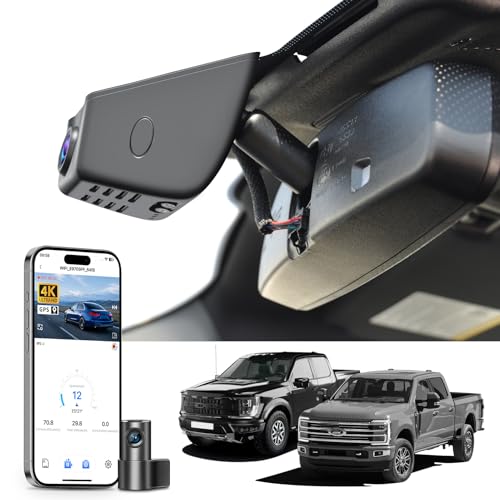
Evaluating Your Vehicle Needs
Before selecting a device, identify the specific constraints of your vehicle's windshield geometry. Not all cameras are compatible with steeply raked sports car windows or large, vertical commercial truck windshields. Assess your mounting area for clear path-of-sight and sensor interference.
Essential Tools and Preparation
Ensure you have a trim removal tool, a high-endurance microSD card (minimum 128GB recommended), and a digital multimeter for checking fuse box constant power vs. ignition-switched power. For further context on setup, refer to our Step-by-Step: How to Setup, Configure & Master Mangoal Dash Cam Reviews: Top Picks for Your Vehicle.
Core Concepts & Fundamentals

Understanding Optical and Sensor Specifications
The core of any high-quality dash cam is the balance between lens aperture and sensor dynamic range. A wider aperture (lower f-stop number) allows for better low-light performance, while a high-dynamic-range (HDR) sensor ensures that license plates remain legible even when transitioning from tunnels into bright daylight.
The Impact of Sizing on Field-of-View
Vehicle cabin size dictates the necessary focal length. For compact cars, a wider angle (150-170 degrees) is effective, whereas larger vehicles may benefit from a more focused lens to maintain sharpness on distant objects. Compare your options using our Mangoal Dash Cam Reviews: Top Picks for Your Vehicle vs Top Competitors: Which is Best?
| Feature | Incorrect Model | Correct Model |
|---|---|---|
| Aperture | High f-number (e.g., f/2.8) | Low f-number (e.g., f/1.8) |
| Storage | Standard SD Card | High-Endurance Video Class Card |
| Power | Direct Port Plug-in | Hardwire Kit w/ Voltage Cutoff |
Step-by-Step Execution Guide

Phase 1: Pre-Installation Checks
Begin by verifying the firmware version of your unit to ensure it is compatible with the latest codecs. Conduct a "bench test" to verify that the camera is recording to the internal buffer without errors before you begin routing cables through your vehicle's headliner.
Phase 2: Hardwiring and Trim Integration
Recommended Equipment & Solution

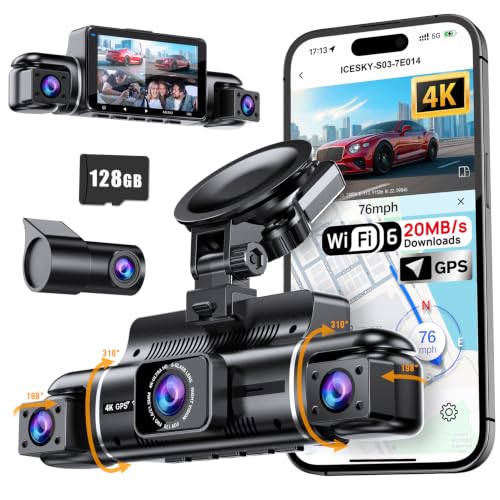
Mangoal 4K Dash Cam for Silverado 1500
A reliable pick for Mangoal 4K Dash Cam, selected based on this article's guidance.

mangoal 4K Dash Cam for Chevy 2nd
A reliable pick for mangoal 4K Dash Cam, selected based on this article's guidance.
Best Practices & Pro Tips

Optimizing for 2026 Standards
In 2026, the focus has shifted toward cloud-linked connectivity and energy-efficient recording. Regularly update your firmware to keep pace with new compression standards that save space without sacrificing quality.
Seasonal Maintenance
Extreme temperatures can degrade SD card performance. We recommend re-formatting your card every 90 days to prevent fragmenting and write errors, which are common culprits in dash cam failures.
Troubleshooting & Common Pitfalls

Diagnosing Power Issues
If your camera experiences unexpected restarts, first inspect the voltage settings of your hardwire kit. Often, the threshold is set too conservatively, triggering a shutdown when the battery voltage dips during engine ignition. Consult 7 Common Problems with Mangoal Dash Cam Reviews: Top Picks for Your Vehicle (and Quick Fixes).
Video Storage Failures
When the camera stops recording, the first point of failure is almost always the memory card. Overwrite cycles eventually reach their limit; swapping for a fresh card is the most reliable diagnostic step.
Frequently Asked Questions
Do I need a professional to install the dash cam?
A: While many owners prefer DIY, professional installation is recommended if your vehicle has complex airbag systems in the A-pillar. This ensures you do not inadvertently obstruct safety systems during cable routing.
Will a dash cam void my vehicle warranty?
A: In most cases, it will not. However, incorrect hardwiring that damages the vehicle's electrical system can be excluded from warranty claims, so always use proper fuse tap techniques.
How often should I format the SD card?
A: For optimal performance, perform a card format via the dash cam's menu system every three months. This clears index errors that build up over time.
Can I use a dash cam in an electric vehicle?
A: Yes, but you must be mindful of auxiliary battery draw. Refer to our guide on EV battery drain with dashcam: How to Protect Your Electric Vehicle’s Range .
What is the ideal resolution for a dash cam?
A: 1440p (2K) is currently the "sweet spot" for balancing file size with sufficient detail to identify license plates from a distance.
Does GPS recording compromise my privacy?
A: GPS data is used to log speed and location in the event of an accident. You can typically disable this feature in the settings menu if you prefer not to track location data.
How do I mount the camera on a vertical windshield?
A: Use the specific adjustable pivot mount included with your kit, ensuring the camera lens remains parallel to the road surface to avoid tilted horizon lines.
Is a dual-channel camera worth the investment?
A: Yes, for comprehensive coverage, a dual-channel system (front and rear) provides the essential evidence needed for rear-end collision documentation.
Key Takeaways
- 1 Prioritize aperture size and sensor quality over pixel count for night-time clarity.
- 2 Always use a dedicated hardwire kit with voltage cutoff to preserve vehicle battery health.
- 3 Clean your mounting surface thoroughly to prevent suction cup or adhesive failure.
- 4 Regularly rotate your high-endurance SD cards to ensure maximum write-cycle longevity.
- 5 Mount the device centrally, ensuring it does not interfere with factory safety sensors.
- 6 Update firmware annually to maintain compatibility with new storage formats.
- 7 Keep your grounding connection secure; it is the most common point of electrical failure.
Conclusion
Selecting and installing a dash cam is an investment in your safety and vehicle security. By following this sizing and specs checklist, you ensure your Mangoal unit provides reliable, high-definition evidence when it matters most.
Remember that technical equipment requires periodic attention. Treat your dash cam like any other maintenance component in your vehicle—keep the firmware current, the lens clean, and the storage media healthy.
Stay safe on the road, and keep your documentation accurate with the right technical setup.
📌 Pillar Resource: Read our complete our Mangoal Dash Cam Reviews: Top Picks for Your Vehicle resource for in-depth insights.