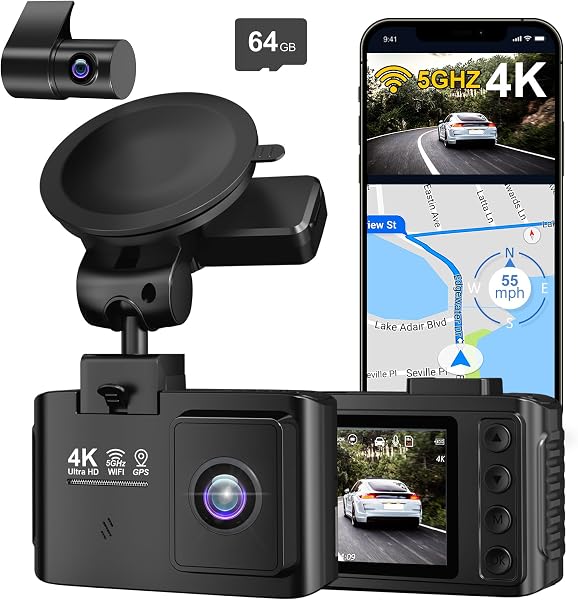
Installing a dash cam front and rear without smart phone is an excellent choice for drivers who prioritize reliability, data privacy, and a distraction-free experience.
This guide is designed for car owners who prefer a "set it and forget it" hardware solution. It assumes basic comfort with handling automotive electronics and basic interior trim, suitable for beginner to intermediate DIY enthusiasts.
By the end of this guide, you will be able to select, install, and maintain a dual-channel camera system that operates independently of mobile applications, ensuring your driving footage is always captured securely.
- Hardware selection for standalone camera systems
- Step-by-step routing of rear camera cables
- Manual storage management and file retrieval
- Understanding power cycles for non-smart units
- Maintenance protocols for long-term reliability
Overview & Prerequisites
The Hardware Advantage
Choosing a system that operates without a smartphone means you rely on physical interfaces—typically LCD screens and tactile buttons. This eliminates connectivity issues often associated with Wi-Fi or Bluetooth pairing, making the device inherently more stable for everyday use.
Tools and Environment
Before beginning, ensure you have a trim removal tool, a high-endurance microSD card (Class 10 or U3), and sufficient time to work in daylight. Consult How much installing a dash camera costs: A Complete Pricing Guide to determine if you require professional assistance for difficult cable routing.
Core Concepts & Fundamentals

Understanding Data Flow
Standalone units write data directly to the SD card. Unlike app-based cams, you must periodically review the footage on a PC or the camera’s own monitor. Learn more about Do dash cams record when the car is off? Everything You Need to Know for 24/7 Security to manage your storage capacity effectively.
Mechanical Installation Logic
The core principle is to maintain a clean cabin appearance while ensuring the rear camera has an unobstructed view. Cables must be tucked behind airbags and headliners to prevent interference with vehicle safety systems.
| Feature | Non-Smart Dash Cam | Smart-Integrated Cam |
|---|---|---|
| Setup | Physical/Manual | App-driven |
| Latency | Zero (Hardware based) | High (Wi-Fi dependence) |
| Reliability | High | Dependent on OS/Signal |
Step-by-Step Execution Guide

Preparation and Power Routing
Before mounting, identify your power source. Refer to How are dash cams powered? The complete guide to installation methods to choose between cigarette lighter adapters or hardwire kits.
Mounting and Configuration
Recommended Equipment & Solution
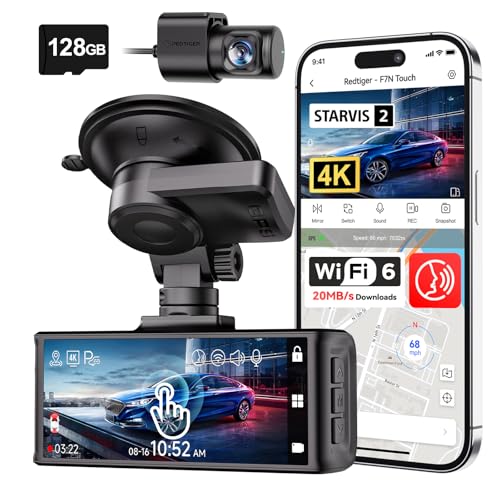
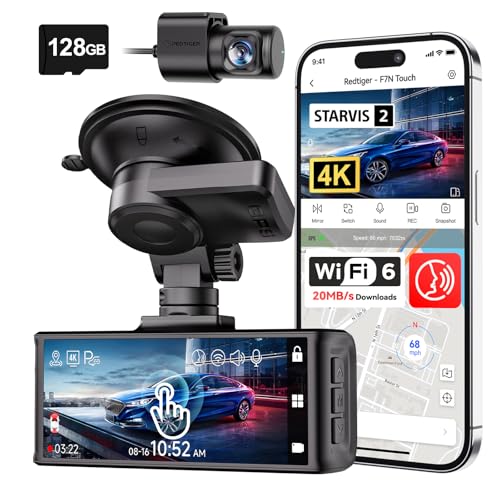
REDTIGER 4K STARVIS 2 Dashcam Front Rear
A reliable pick for REDTIGER 4K STARVIS 2 Dashcam, selected based on this article's guidance.

ROVE R2-4K Dual Dash Cam Front
A reliable pick for ROVE R2-4K Dual Dash Cam, selected based on this article's guidance.
Best Practices & Pro Tips

Data Integrity
Since your device doesn't have an app to remind you of maintenance, set a physical calendar reminder every three months to verify the integrity of your SD card and ensure the date and time settings remain accurate.
Hardware Optimization
Troubleshooting & Common Pitfalls

Diagnostic Procedures
If your device fails to record, start by checking the power supply status light. A common issue is a loose connection at the hardwire kit fuse tap. Learn more about professional installation expectations via How much installing a dash camera costs: A Complete Pricing Guide.
Common Failure Modes
Frequently Asked Questions
How do I view files without a phone?
A: Simply remove the SD card and insert it into a computer using a USB card reader. The footage is stored in standardized video formats like MP4.
Can these cameras record audio?
A: Yes, most models include a built-in microphone that can be toggled on or off via the physical settings menu on the device.
What if the screen is too small to see details?
A: While the LCD is for confirmation, viewing the high-resolution footage on a desktop computer provides the clarity needed to identify license plates.
Does the rear camera require separate power?
A: No, dual-channel kits typically run power to the front camera, which then feeds the rear unit via a single proprietary cable.
How often should I format the SD card?
A: It is recommended to format the card once every month to keep the file system clean and prevent write errors.
Is hardwiring necessary for parking mode?
A: Yes, to record while the vehicle is off, a hardwire kit is typically required to maintain a connection to the car battery.
Do these cameras work in extreme heat?
A: Many high-quality non-smart units use supercapacitors instead of batteries, making them significantly more resistant to heat-related failures.
Can I use a larger SD card than recommended?
A: It is best to follow the manufacturer's maximum storage limit to ensure stability, as exceeding this can lead to recording failures.
Key Takeaways
- 1 Dedicated hardware units provide superior reliability compared to app-connected cameras.
- 2 Always prioritize high-endurance memory cards to handle the constant write load.
- 3 Clean cable management is vital for both safety and aesthetic finish.
- 4 Regular manual maintenance is the substitute for digital app notifications.
- 5 Verify the power supply path before final mounting.
- 6 Use PC-based viewers for full-resolution review of accident footage.
- 7 Hardwiring kits are essential for full 24/7 security monitoring.
Conclusion
Choosing a dash cam front and rear without smart phone is a reliable strategy for drivers who want consistent performance without the complexity of app connectivity. By following these steps, you have ensured a robust, secure, and permanent installation.
Your next priority is to ensure your SD card remains healthy and your mounting position provides the best coverage possible. Regularly audit your recordings to ensure the system is operating perfectly.
With your system set up, you can drive with the confidence that you have a reliable, offline eye on the road at all times.