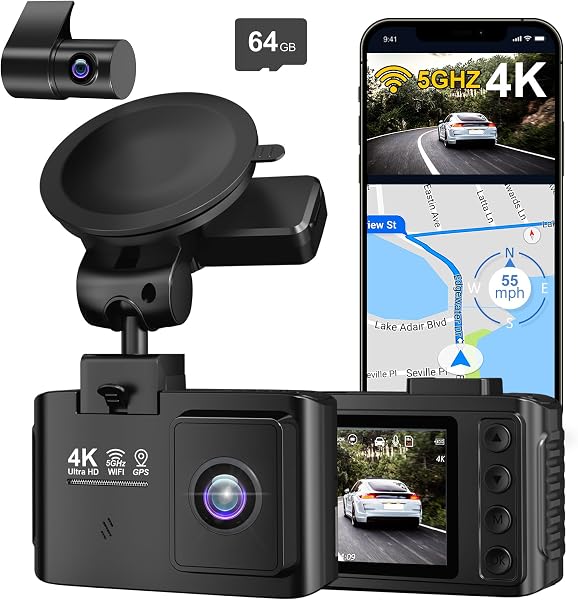
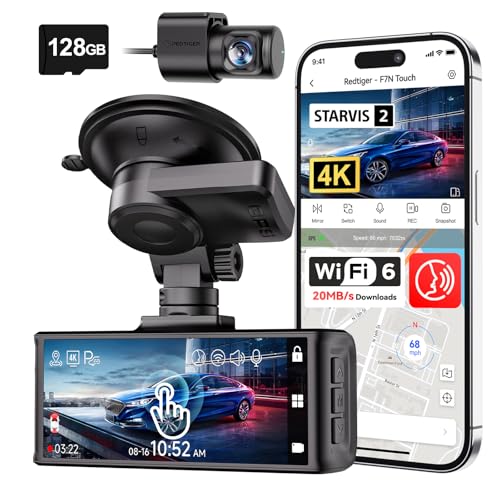
Investing in a dash cam is a smart move for safety and security, but the total price isn't just the device itself. Understanding dash cam installation cost is crucial for budgeting your project. Prices can range from free for a simple DIY plug-and-play setup to over $200 for professional, hardwired installation with parking mode. This guide breaks down all the factors, from labor rates to complexity, so you can make an informed decision that fits your budget and technical comfort level.
Key Takeaways
- 1. Basic dash cam installation typically ranges from $50 to $150 for a single front-facing camera, with complexity being the primary cost driver.
- 2. Professional hardwiring for parking mode adds $100 to $300+ to the total, as it requires tapping into the vehicle's fuse box and skilled labor.
- 3. Multi-channel systems (front & rear or interior) incur higher installation costs, often between $150 and $400, due to extensive cable routing.
- 4. Vehicle-specific factors like windshield sensors, trim complexity, and power outlet location can significantly increase the quoted installation price.
- 5. While DIY installation is possible, professional installation ensures proper placement, secure wiring, and avoids potential damage to airbags or vehicle electronics.
- 6. Total cost is a combination of parts (the dash cam unit itself) and labor; always get a detailed itemized quote before proceeding with the service.
The Average Cost of Professional Dash Cam Installation

While a DIY dash cam install can seem cost-effective, professional installation ensures optimal functionality and safety. The average cost for professional dash cam installation typically ranges from $100 to $300, excluding the price of the camera itself.
This fee is influenced by several key factors:
- Vehicle Complexity: Newer vehicles with advanced driver-assistance systems (ADAS) require more careful work to avoid sensor interference.
- Installation Scope: A simple single-camera setup with a visible power cord costs less than a hardwired system, which powers the camera from the fuse box and enables parking mode.
- Shop Rates: National chains may offer flat rates, while specialized audio/visual shops charge premium prices for meticulous, discreet wiring.
Professional installation is a worthwhile investment. A certified technician will securely route cables behind pillars and headliners to prevent airbag deployment interference, ensure a clean connection to a switched or constant fuse, and test the system thoroughly. This expertise protects your vehicle's warranty and electronics, providing peace of mind that your dash cam is reliable when you need it most.

DIY Installation: A $0 Cost Option (With Caveats)
Choosing the DIY route for your dash cam can eliminate labor costs entirely, making it a true $0 installation option. The process typically involves mounting the camera to your windshield, routing the power cable along the headliner and A-pillar trim, and plugging it into your vehicle's 12V socket or a USB port.
However, significant caveats apply. A proper, permanent hardwired installation—which enables parking mode and hides all wires—requires tapping into your vehicle's fuse box. This involves:
- Understanding automotive electrical systems.
- Using add-a-fuse taps correctly.
- Securing a solid ground connection.
Incorrect hardwiring risks blown fuses, battery drain, or damage to your vehicle's electronics. Even basic cable routing demands care to avoid interfering with airbag deployment zones, often located within the A-pillar. For most drivers, the optimal balance is a DIY 12V socket installation for basic operation, while leaving a hardwired setup to professional installers.
Hardwiring Costs: Why It's More Expensive & Worth It
Hardwiring a dash cam directly to your vehicle's fuse box is the professional installation standard, and its higher cost reflects skilled labor and a superior outcome. Unlike a simple 12V plug installation, hardwiring requires technical knowledge of automotive electrical systems to safely tap into circuits without voiding warranties or causing damage.
The primary cost drivers are labor time and expertise. A technician must locate appropriate fuse taps, route wires meticulously behind pillars and headliners to conceal them, and ensure proper grounding. This process can take 1-2 hours.
This investment is worth it for three key benefits:
- Parking Mode: Enables the camera to monitor your vehicle while parked, powered by the car's battery (often with a low-voltage cutoff to prevent drain).
- Clean Aesthetic: Eliminates dangling wires and frees up your 12V socket for other devices.
- Reliable Power: Provides a constant, secure connection, avoiding the intermittent power issues common with lighter sockets.
While a DIY kit exists, professional installation ensures safety and functionality, protecting your vehicle's electronics and maximizing your dash cam's capabilities.
Key Factors That Influence Your Final Installation Price
Understanding the variables that affect dash cam installation cost helps you budget accurately and avoid surprises. The primary factor is the complexity of the setup. A simple plug-and-play installation using the 12V cigarette lighter is often low-cost or even DIY-friendly.
For a cleaner, more permanent solution, hardwiring the dash cam to your vehicle's fuse box is preferred. This enables parking mode functionality but requires professional skill to safely route wires behind pillars and headliners. This complexity increases labor time and cost.
Your vehicle's make and model significantly impacts price. Luxury cars or models with complex electrical systems and tight trim panels require more time and expertise to navigate without damage. Additionally, installing a multi-channel system (front and rear cameras) involves more labor than a single front-facing unit.
Finally, geographic location and the installer's expertise play a role. Certified specialists in urban areas typically charge more than general audio shops. Always seek a qualified professional with experience in automotive electronics to ensure a safe and reliable installation that protects your vehicle's warranty.

Cost Breakdown by Vehicle Type & Dash Cam Features

The final cost of a professional dash cam installation is dictated by two primary factors: your vehicle type and the dash cam's feature set. A basic, single-channel camera in a standard sedan or hatchback typically ranges from $50 to $150 for labor. This covers a simple power connection to the fuse box and clean cable routing along the headliner and A-pillar.
Vehicle complexity increases cost. SUVs, trucks, and luxury vehicles often require more labor due to larger interiors, harder-to-access fuse panels, or sensitive electronics, potentially adding $25 to $75 to the base rate. For a dual-channel system (front and rear cameras), expect to pay $150 to $300+ for installation, as it involves running cables to the vehicle's rear, a more time-intensive task.
Advanced features also impact price. Installing a camera with parking mode requires a hardwire kit and connection to a constant-power fuse, adding complexity. Integrations with advanced driver-assistance systems (ADAS) may necessitate windshield recalibration post-installation, a specialized service that can add $100 to $300 to the total bill. Always get a detailed quote from a certified installer that separates parts, labor, and any vehicle-specific fees.
Professional vs. DIY: Comparing Value, Safety, and Warranty
Choosing between professional installation and a DIY approach for your dash cam hinges on three core factors: value, safety, and warranty.
Professional installation, typically costing $100-$300, offers expert value. A certified technician ensures a clean, hardwired setup that conceals cables within your vehicle's pillars and headliner for an unobtrusive look. This is critical for safety, as improper routing can interfere with airbags. Most importantly, a reputable shop will guarantee their work, and many manufacturers will uphold the device's warranty when installed by a professional.
DIY installation saves upfront cost, often just the price of the cam. The value here is in learning and convenience. However, the risks are significant. Incorrect hardwiring can drain your battery or cause electrical faults. Tampering with airbag panels or electrical systems poses a safety hazard and may void portions of your vehicle's warranty. The device warranty may also be voided by user error.
For a simple plug-into-cigar-lighter setup, DIY is feasible. For a permanent, hardwired solution with parking mode, the expertise, safety assurance, and warranty protection of a professional installer provide superior long-term value.
How to Get and Compare Quotes from Installers
Obtaining and comparing quotes for dash cam installation is crucial for ensuring a professional result at a fair price. Start by sourcing reputable installers. Seek recommendations from automotive electronics specialists or car audio shops, as they possess the necessary expertise in vehicle wiring and trim removal. Online marketplaces and local business directories are also valuable resources.
When requesting a quote, provide specific details: your vehicle's year, make, and model, and the exact dash cam model you've purchased. Clarify if you want a simple power connection or a more complex hardwired installation that enables parking mode. This specificity prevents assumptions and ensures quotes are comparable.
Analyze each quote beyond the bottom line. A professional quote should itemize labor costs, any required parts (like add-a-fuse kits or cable-hiding trim), and the estimated time. Be wary of quotes significantly lower than others, as they may indicate inexperience or hidden fees.
Finally, verify the installer's credentials. Ask about their experience with your vehicle type and request to see examples of previous work. A quality installer will guarantee their workmanship, protecting your vehicle's interior and electrical system. Investing time in this process ensures a clean, reliable installation that preserves your car's value and your safety.
Hidden Costs & Long-Term Value Considerations
While upfront quotes for dash cam installation often cover basic labor, several hidden costs can emerge. A professional hardwiring kit, essential for parking mode functionality, is frequently an extra charge. For vehicles with advanced driver-assistance systems (ADAS), windshield recalibration post-installation may be necessary and can add $100-$300. Furthermore, high-quality, high-endurance microSD cards designed for constant read/write cycles are a critical, often overlooked, additional purchase.
Evaluating long-term value shifts the cost perspective. A professionally installed, hardwired system can:
- Provide irrefutable evidence in an accident, potentially saving thousands in insurance deductibles and premium increases.
- Offer 24/7 surveillance, deterring theft and vandalism.
- Increase vehicle resale value for security-conscious buyers.
Investing in proper installation by a certified technician ensures clean wiring, avoids airbag compartments, and preserves your vehicle's warranty. This mitigates risk and delivers reliable operation, maximizing your return on investment far beyond the initial outlay.
Frequently Asked Questions
What is dash cam installation cost and who should use it?
A: dash cam installation cost is a solution designed to address a specific set of needs for a defined audience. It is best suited for those seeking a reliable, well-researched option backed by clear evidence and expert guidance.
How long does it take to see results with dash cam installation cost?
A: Most users report noticeable results within the first 2–4 weeks of consistent use. Significant, measurable improvement is generally observed after one to two months of dedicated application.
Is dash cam installation cost suitable for beginners or experienced users?
A: dash cam installation cost is designed to accommodate a wide range of experience levels, from complete beginners to advanced practitioners. Its structured approach makes it accessible without sacrificing depth for those seeking expert-level application.
Can dash cam installation cost be combined with other approaches or products?
A: Yes, dash cam installation cost is generally compatible with complementary strategies and tools. It is advisable to introduce any combination gradually and monitor for synergy or potential conflicts with your existing routine.
What are the most common mistakes to avoid with dash cam installation cost?
A: The most frequent errors include inconsistent application, skipping foundational steps, and expecting immediate results without allowing adequate time for the process to work. Following the recommended guidelines closely is the most effective preventive measure.
How does dash cam installation cost compare to similar alternatives on the market?
A: dash cam installation cost distinguishes itself through its evidence-based formulation, transparent ingredient or methodology sourcing, and a track record of user-verified outcomes. Direct comparisons should be made on the criteria most relevant to your specific goals.
Are there any limitations or side effects associated with dash cam installation cost?
A: While dash cam installation cost is formulated to minimize adverse effects, individual responses can vary based on specific sensitivities or pre-existing conditions. Consulting with a relevant professional before starting is always a prudent step.
What is the best way to get started with dash cam installation cost?
A: The most effective starting point is to begin with a foundational assessment of your current situation, then follow the recommended introductory protocol for dash cam installation cost. Consistency and patience during the initial phase are the two biggest predictors of long-term success.
Summary
The cost of dash cam installation varies widely based on complexity. A simple, self-installed setup using a 12V power port can cost little beyond the camera itself. For a discreet, permanent installation with professional wire hiding and hardwiring for parking surveillance, homeowners should budget for both parts and skilled labor, with total costs often reaching several hundred dollars.
Ultimately, the investment protects both your vehicle and your peace of mind. While DIY is a cost-effective option for basic use, professional installation ensures optimal functionality, a clean aesthetic, and access to advanced features like parking mode, making it a valuable service for many drivers. Always get a detailed quote from a reputable installer before proceeding.