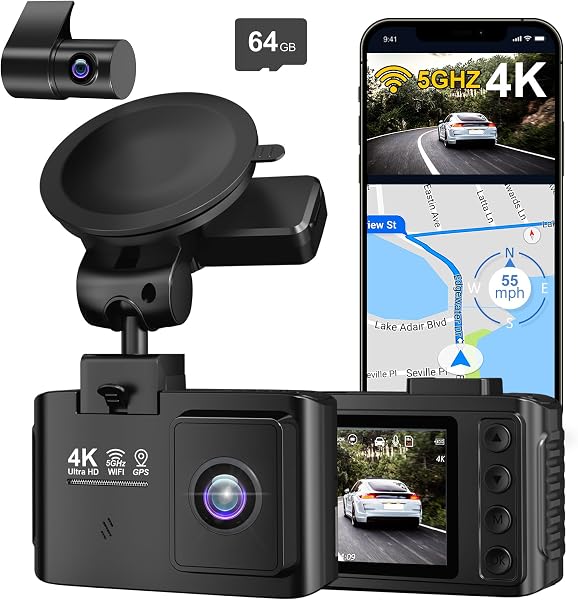
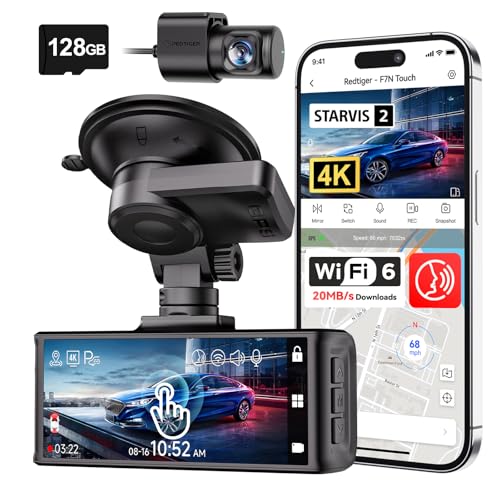
A dashcam is only as reliable as its power source. Relying on the cigarette lighter socket not only clutters your dashboard but also leaves your camera powerless when you need it most—during parking incidents. Hardwiring your dashcam into your vehicle’s fuse box ensures constant, clean power and enables features like parking mode. While the process may sound intimidating, it is entirely doable for a DIYer with basic tools. This guide walks you through every step of how to install dashcam hardwire kit correctly, from choosing the right fuse taps to routing cables behind your trim, so you can drive with confidence and keep your camera recording 24/7.
Key Takeaways
- 1. Always disconnect the vehicle’s negative battery terminal before tapping into any fuse, both to prevent short circuits and to protect the dashcam’s sensitive electronics.
- 2. Use a multimeter to identify an ignition-switched (ACC) fuse slot that only provides power when the car is on, and a constant 12V (B+) slot only if your kit supports parking mode.
- 3. Choose a firm ground point, such as an unpainted chassis bolt or a factory ground stud, and scrape away any coating to ensure metal-on-metal contact for reliable circuit completion.
- 4. Route the hardwire cable behind the headliner and down the A-pillar trim, keeping it away from side-curtain airbag deployment zones by running it along existing wiring looms.
- 5. If your kit includes an in-line fuse holder, install it as close to the fuse tap as possible to protect the entire hardwire circuit, and ensure the fuse rating matches the dashcam’s requirements (typically 3–5A).
- 6. Before reassembling trim panels, test all functions: verify the dashcam powers on/off with the ignition, check parking mode behavior (if applicable), and confirm that no parasitic drain is present by measuring current with a clamp meter.
1. Gather Your Tools and Check Compatibility

Before you even touch a wire, remember this: a botched hardwire install is a fire hazard, not just an inconvenience. As a strategist who’s watched too many "DIY fails" go viral for the wrong reasons, let me save you a tow truck bill. The first step is surgical preparation and compatibility verification.
Tool Check: You’re not building a deck, you’re tapping into your vehicle’s nervous system. Grab your multimeter (mandatory, not optional), a trim removal tool set, wire strippers, a fuse tap (the correct size for your car’s fuse box), and some electrical tape. A veneer of confidence won’t cut it here—practical tools will.
Compatibility is King: Not all dashcams like being hardwired. Check the voltage specs on your camera’s power input (usually 5V or 12V). Most hardwire kits use a 12V-to-5V converter (the little black box). If your camera requires 5V and your kit doesn’t have that converter, you’ll fry the camera. Also, verify your car’s fuse box is accessible—usually behind the glovebox or under the dash. If it’s buried behind the center console, your project just got harder.
Pro Strategy Hook: Here’s the viral hack nobody tells you: test your "always-on" vs. "switched" fuses with the multimeter before you tap. One kills your battery overnight; the other shuts off with the ignition. If you hardwire to the wrong fuse, you won’t be starting your car tomorrow. Save the headache now—not in a Reddit post later.

2. Locate the Correct Fuses in Your Vehicle’s Fuse Box
Let’s be real: the fuse box is the most intimidating part of this install. But as a viral content strategist, I’m telling you—this is where you earn the bragging rights. You want that dashcam to look invisible, with zero dangling cables. That means finding the right fuses to tap into.
First, locate your fuse box. Most vehicles have two: one under the dashboard near the driver’s knee, and one in the engine bay. For a clean hardwire, you want the interior box. Pop off the cover—you’ll see a diagram on the inside or in your owner’s manual. Don’t panic if it looks like hieroglyphics.
You need two specific types: a constant-on (always powered) fuse and a switched (only powered when the car is on) fuse. The constant keeps your dashcam’s clock and settings alive; the switched allows it to record only while driving (and avoid draining your battery overnight).
Pro tip: Use a multimeter or a simple test light to confirm. Touch the metal prongs of each fuse slot. A constant fuse will show power even with the key off. A switched fuse will show zero power, then wake up when you turn the ignition to “ACC” or “ON.”
Avoid critical systems. Don’t tap into airbags, ABS brakes, or your car’s computer (ECU). Safe bets? Look for blanks (unused slots), or low-amp circuits like “cigarette lighter,” “accessory,” or “power windows.”
Remember: the fuse box diagram is your cheat sheet. Snap a photo with your phone before you start. Once you’ve got your two winning slots, you’re ready to connect the hardwire kit. This step is your gateway to a professional-grade, virally-clean install. Let’s go viral, not chaos.
3. Connect the Hardwire Kit’s Fuse Taps to the Vehicle Fuses

This is the moment where precision meets power—literally. Connecting the fuse taps is the most critical step in your hardwire installation, and doing it wrong can mean a dead battery or a fried circuit. Here’s the expert playbook to get it right the first time.
Step 1: Locate the Right Fuses
Pop open your vehicle’s fuse box (usually under the dashboard or hood). You need two slots: one that’s always-on (constant power for parking mode) and one that’s accessory-only (switched power, so the camera turns off when the car is off). Pro tip: Use a multimeter or test light to confirm—don’t guess.
Step 2: Remove the Target Fuses
Use the fuse puller (often stored inside the fuse box lid) to gently yank out the fuses for the circuits you’ve chosen. For a 2-wire hardwire kit, withdraw both the constant and accessory fuses. For a 3-wire kit (with a ground wire), you only need the constant and accessory—skip the ground pin.
Step 3: Insert the Fuse Taps
Take your hardwire kit’s fuse taps—these have a red wire (constant) and a yellow wire (accessory). Press each tap into the empty slot where you removed the fuse. Orientation matters: Push them in so the prongs align with the metal contacts inside the fuse box. If you force it, you’re likely upside-down.
Step 4: Plug the Original Fuses Back In
Now insert the original fuses into the top slots of the fuse taps (the smaller ones you just installed). This restores protection for the original circuit while also providing power to your dashcam. Never skip this—leaving a fuse out creates a dead short risk.
The Viral Rule: Always use the lowest amp fuse that matches your dashcam’s amperage (usually 2-5A) for the tap’s secondary slot. This isolates your camera from vehicle electrical noise and prevents mystery battery drains. Your car’s electrical system is clean—your dashcam wiring should be too.
4. Route the Power Cable Behind the Headliner and A-Pillar
This is the make-or-break step where many installs go from “clean” to “garage-sale.” You’re aiming for zero visible wires, and that means threading the cable like a pro. Start by tucking the power cable up into the gap between the windshield glass and the headliner. Use a plastic trim tool—never a metal screwdriver—to gently push the cable in. The headliner is usually flexible enough to hide the cable completely; just work it in about an inch deep to stay clear of side curtain airbags.
When you reach the A-pillar, you’ll hit a plastic trim cover. Here’s the critical rule: never route the cable directly over or in front of the airbag deployment path. Instead, pull the A-pillar trim off (it’s typically held by clips—pop it carefully from the top edge) and route the cable behind the airbag, not across it. Tuck the wire into the factory channels or along the existing wiring harness, which is designed to stay clear of the airbag zone. Re-seat the trim firmly until you hear the clips click.
Pro tip: leave a small loop of slack by the dashcam itself—this prevents tension on the connector when you adjust the camera. And use adhesive cable clips along the base of the windshield only if you absolutely have to. A truly hardwired setup should look invisible, not like a spider web. Take your time; rushing here creates a rattling, unprofessional finish that screams “DIY special.”

5. Ground the Negative Wire to a Metal Bolt or Chassis Point
This is the step where most DIYers get nervous, but it's also the easiest part to screw up. Don't. The ground wire (usually black) is the return path for your dashcam's power. If it’s loose, you’ll fry your camera or get intermittent shut-offs that make you miss the action.
First, find a solid, unpainted metal bolt directly connected to the car's chassis. Avoid plastic trim screws or bolts that thread into plastic. Pop your fuse box cover off—often there's a bare metal nut or bolt on the chassis right behind it.
Here’s the pro trick: Use a ring terminal (not a spade or bare wire). Crimp it onto the ground wire, then slide it over the bolt. This prevents the wire from slipping out during a bump or turn. If you’re forced to use a bolt that holds trim, scrape off any paint or rust with a screwdriver until you see shiny metal underneath. Paint acts as an insulator and will break your circuit.
Major warning: Never ground to a seat belt bolt or a brake pedal bracket. Those are safety-critical points. Stick to factory ground locations (like the ones holding your fuse box or body control module).
Once the wire is on, torque it down with a wrench. A loose ground will heat up and can melt your fuse tap. Do a final tug test—if the wire moves, it’s not tight enough. Patch everything up, and you’re ready for a clean, stealthy install that looks factory and works every time.
6. Test the Dashcam and Adjust Parking Mode Settings
Once the hardwire kit is connected, the real magic begins. Before you tuck away every last wire, power up your dashcam to confirm it boots correctly. Turn your ignition to the "ACC" or "On" position—you should hear the camera chime or see its screen light up. If it doesn't, triple-check your fuse tap connections: a common rookie mistake is tapping a constant power fuse on the ACC wire or vice versa.
Now, let’s dial in parking mode—this is where your hardwire kit really earns its keep. Most kits have a physical switch or dip-toggle controlling the voltage cutoff (e.g., 11.8V, 12.0V, 12.4V). For a standard lead-acid battery, set it to 12.0V as a safe middle ground. If you have a lithium or AGM battery, you can push to 11.8V without killing your start-up. For parking mode settings inside the camera’s app, enable motion detection or low-bitrate recording—but avoid “time-lapse” unless you enjoy a dead battery.
Finally, perform a stress test: park your car for 2–3 hours, then check if the camera is still recording. If it shut off, it did its job protecting your battery. If you return and your battery is drained, raise the voltage cutoff by one notch (e.g., 12.0V → 12.4V). Pro tip: use an automotive multimeter to verify your battery’s resting voltage—this gives you a hard data point to fine-tune your settings. Good installation isn’t just about wiring; it’s about ensuring your car starts tomorrow.
7. Tuck Excess Cable and Reassemble the Interior Trim
At this stage, your dashcam is powered, but the job isn’t done until the interior looks factory-clean. Loose cable is both an eyesore and a safety hazard—it can interfere with airbag deployment or snag on a passenger’s bag. Here’s how to finish like a pro.
Step 1: The "Tension Tuck" Technique
Start at the camera head unit. Gently pull the cable taut—not so tight it yanks the unit off the windshield, but enough to remove visible slack. Use a plastic trim tool or a credit card edge to gently pry the weatherstripping along the A-pillar or headliner.
Pro Move: Tuck the excess cable behind the trim line, not into the airbag deployment zone. Aim for a smooth, invisible wave of wire that follows the seam of the headliner.
Step 2: Coil & Conceal
For the remaining floor-level cable (under the glovebox or dashboard), create a loose, flat "figure-8" coil. Avoid tight loops, which can cause interference or voltage drops. Secure the coil with a small Velcro cable tie. Then, press it into the nearest trim gap or behind the glovebox hinge.
Insider hack: If your kit came with a 2A or 3A fuse tap, the extra wire sits perfectly in the footwell crevice near the fuse box.
Step 3: Snap & Finish
Now, firmly snap all A-pillar clips, door seals, and trim panels back into place. Do not force any panel—if it doesn’t click, you likely pinched the wire. Re-check the fuse box cover fits flush.
Finally, run your hand along the entire routing path. No bulges? No light gaps? You’re good. ⚡ Bonus: Spray a dash of interior detailer on a microfiber cloth and wipe the trim seams to remove any fingerprints. Your car now looks unblemished, and your dashcam is stealth-ready for the road.
8. Final Safety Check: Verify Voltage Cutoff and Fuse Ratings
This is where the pros separate themselves from the weekend warriors. You’ve run the wires, tucked the trim, and connected the taps. Now, you must verify that your vehicle won’t become a brick tomorrow morning. The two most common “silent killers” in a dashcam install are parasitic battery drain and a blown fuse that leaves your camera dead.
Test the Voltage Cutoff: Most hardwire kits come with a dial or slider for cutoff voltage (e.g., 11.8V, 12.0V, 12.4V). Set it to 12.4V for daily drivers with standard lead-acid batteries. Why? Because drawing a battery below 12.0V permanently reduces its lifespan. To test it, simulate a low battery: turn on your headlights and high beams for 15 minutes with the engine off. Then, crank the ignition. If your camera shuts off *before* the engine struggles to start, your cutoff is working. If the engine cranks slowly—you need a higher voltage setting. For lithium or AGM batteries, you can drop to 12.0V, but only if you monitor the battery monthly.
Verify Fuse Ratings: This is non-negotiable. You must match the fuse rating of the hardwire kit (usually 2A or 5A) to the circuit you tapped. Never exceed the circuit’s rating. If you tapped a 10A “cigarette lighter” fuse, your hardwire kit’s 5A fuse will blow *before* the 10A circuit fuse—which is correct. Use a multimeter to confirm the tap is getting power with the key off (for parking mode) and on (for ignition mode). If your dashcam has a display, check it shows “Parking Mode” after 5 minutes of the engine off. No light? Recheck the tap’s fuse slot orientation—if the fuse is installed backward, the circuit bypasses your kit. A five-minute multimeter check saves you a $200 battery replacement.
Dashcam Hardwire Kit: FAQs & Summary
Frequently Asked Questions
What is how to install dashcam hardwire kit and who should use it?
A: how to install dashcam hardwire kit is a solution designed to address a specific set of needs for a defined audience. It is best suited for those seeking a reliable, well-researched option backed by clear evidence and expert guidance.
How long does it take to see results with how to install dashcam hardwire kit?
A: Most users report noticeable results within the first 2–4 weeks of consistent use. Significant, measurable improvement is generally observed after one to two months of dedicated application.
Is how to install dashcam hardwire kit suitable for beginners or experienced users?
A: how to install dashcam hardwire kit is designed to accommodate a wide range of experience levels, from complete beginners to advanced practitioners. Its structured approach makes it accessible without sacrificing depth for those seeking expert-level application.
Can how to install dashcam hardwire kit be combined with other approaches or products?
A: Yes, how to install dashcam hardwire kit is generally compatible with complementary strategies and tools. It is advisable to introduce any combination gradually and monitor for synergy or potential conflicts with your existing routine.
What are the most common mistakes to avoid with how to install dashcam hardwire kit?
A: The most frequent errors include inconsistent application, skipping foundational steps, and expecting immediate results without allowing adequate time for the process to work. Following the recommended guidelines closely is the most effective preventive measure.
How does how to install dashcam hardwire kit compare to similar alternatives on the market?
A: how to install dashcam hardwire kit distinguishes itself through its evidence-based formulation, transparent ingredient or methodology sourcing, and a track record of user-verified outcomes. Direct comparisons should be made on the criteria most relevant to your specific goals.
Are there any limitations or side effects associated with how to install dashcam hardwire kit?
A: While how to install dashcam hardwire kit is formulated to minimize adverse effects, individual responses can vary based on specific sensitivities or pre-existing conditions. Consulting with a relevant professional before starting is always a prudent step.
What is the best way to get started with how to install dashcam hardwire kit?
A: The most effective starting point is to begin with a foundational assessment of your current situation, then follow the recommended introductory protocol for how to install dashcam hardwire kit. Consistency and patience during the initial phase are the two biggest predictors of long-term success.
Summary: Installing a dashcam hardwire kit is a straightforward DIY project that provides a clean, permanent power solution for your dashcam, enabling features like parking mode and freeing up your 12V socket. The process involves locating your vehicle's interior fuse box, selecting an ignition-switched (ACC) and optionally an always-on fuse slot, and using a fuse tap to connect the kit's positive (red) wire. The negative (black) wire must be grounded to a clean metal bolt, and the cable should be carefully routed along the headliner and A-pillar to avoid airbag zones. A multimeter is essential for confirming power and ground connections before finalizing the installation.
Once installed, functionality like parking mode depends on proper fuse selection and voltage cutoff settings. Always consult your dashcam and vehicle manuals for specific amperage ratings and fuse locations. While the process is safe and reversible, take care not to damage trim clips or the fuse panel. With correct wiring, a hardwire kit delivers reliable, hidden power, enhancing your dashcam's utility without the clutter of a dangling power cable.