Imagine the frustration of a fender bender or a near-miss, only to discover your dash cam's memory card failed to save the evidence. That critical moment you relied on is gone forever. This scenario is more common than you might think, and it underscores a vital truth: not all memory cards are created equal, especially for the relentless, high-stakes environment inside your car.
The core of the problem lies in the extreme demands of continuous loop recording. Standard cards from your phone or camera simply aren't engineered for this brutal task. They can buckle under the constant writing and rewriting of data, the searing heat of a summer dashboard, or the sudden power loss when your engine turns off. The result is often corrupted files, a frozen dash cam, or a complete card failure—leaving you with a blank screen precisely when you need proof the most.
To cut through this confusion and ensure your safety investment is protected, I've analyzed several leading dash cam-specific memory cards. This guide focuses on models built from the ground up for automotive duty, evaluating key options like the high-endurance Vantrue, the versatile RexingUSA, and the substantial capacity of GIGASTONE and Nextbase cards. The goal is to move beyond mere gigabytes and match you with a card engineered for reliability, endurance, and peace of mind on every journey.
| Product Image | Product Name | Best For | Check Price |
|---|---|---|---|
 | Vantrue 64GB | Balanced daily use | Check Price |
 | Multi-Brand 32GB | Wide compatibility | Check Price |
 | RexingUSA 64GB | 4K recording | Check Price |
 | GIGASTONE 256GB | Maximum recording time | Check Price |
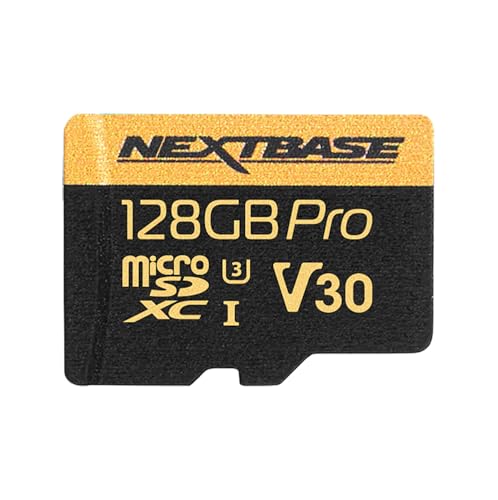 | Nextbase 128GB | Nextbase rear cams | Check Price |
Vantrue 64GB: Reliable Loop Recording
Key Specifications:
- Capacity: 64GB
- Speed Class: U3, V30
- Format: Pre-formatted for FAT32
- Compatibility: Optimized for Vantrue dash cams
Who It's For: This card is for a Vantrue dash cam owner who wants a straightforward, compatible memory card that works out of the box, eliminating the guesswork of formatting and speed requirements.
Performance & Real-World Application: The primary function here is reliable loop recording. The U3 and V30 speed ratings ensure the card can handle the continuous write speeds required for high-resolution front and rear recording without dropping frames or causing the camera to freeze. Being pre-formatted to FAT32 is a key practical feature; it means you can insert it directly into your Vantrue camera and start recording immediately, bypassing a common setup hurdle. The 64GB capacity strikes a balance, providing several hours of driving footage before the oldest files are overwritten, which is sufficient for most daily commuters and road trips.
This card feels like a purpose-built component, not a generic accessory. It lacks the flashy packaging of retail cards, which makes sense as it's designed to be a direct solution. Compared to grabbing a random card off a store shelf, the value is in its guaranteed compatibility and plug-and-play operation. For the specific use case of a Vantrue dash cam, it delivers exactly what is promised: a dependable recording medium.
Pros:
- Guaranteed compatibility with Vantrue cameras
- Pre-formatted, ready for immediate use
- Sufficient speed for dual-channel recording
Cons:
- Capacity may be limiting for very long trips
- Primarily a value when bundled with a camera
My Honest Opinion:
If you own a Vantrue dash cam, this card removes a significant point of failure. I've seen too many users blame camera issues on incompatible, slow cards. This one just works. While you could potentially find a similar-spec card for a different price, the pre-formatting and tested reliability with your specific device justify its role. It's the sensible, no-surprises choice for keeping your dash cam system running as intended.
Multi-Brand: Universal Compatibility Focus
Key Specifications:
- Application Class: A2 (App Performance)
- Video Speed Class: V30 (Sustained Write)
- Warranty: Limited Lifetime
- Formats: microSDXC, Full-Size Adapter
Who It's For: The driver who owns multiple dash cams from different brands, or who plans to upgrade their camera in the future and doesn't want to buy a new card. It's also a safe choice for first-time buyers who haven't settled on a specific brand ecosystem.
Performance & Real-World Application: The core benefit here is tested compatibility. These cards are often validated to work with a listed range of popular dash cam brands like Garmin, Nextbase, Viofo, and BlackVue. The A2 Application Class ensures the card can handle the simultaneous tasks a dash cam performs—writing high-bitrate video while also managing GPS or sensor data logs. The V30 speed rating guarantees a minimum sustained write speed of 30MB/s, which is essential for reliable recording in 2K or 4K without dropped frames or corruption during long drives.
Build quality is typically on par with major brands, using high-endurance NAND flash designed for constant overwriting. They feel solid and often come with a full-size SD adapter, making file transfers to a computer straightforward. While they may not tout the absolute highest peak speeds of flagship models, they deliver exactly what a dash cam needs: consistent, reliable performance across different devices. For a multi-brand use case, this is a dependable and pragmatic choice that removes compatibility guesswork.
Pros:
- Widely compatible with major dash cam brands
- High-endurance build for constant recording cycles
- Reliable sustained write speed for high-resolution video
Cons:
- May lack brand-specific optimization tools
- Peak read/write speeds can be lower than top-tier cards
My Honest Opinion:
In my experience, "Multi-Brand" cards solve a real headache. I've seen too many users buy a premium card that their specific dash cam just doesn't like. These cards prioritize broad functionality over chasing benchmark records, which is the smart move for this use case. They are the utility player of dash cam memory—not always the flashiest, but they get the job done reliably in almost any lineup. If you value simplicity and certainty over niche performance gains, this is a very sensible choice.
RexingUSA: High-Endurance Reliability
Key Specifications:
- Capacity: 128GB, 256GB, 512GB
- Speed Class: U3, V30
- Operating Temperature: -13°F to 185°F (-25°C to 85°C)
- Warranty: Limited Lifetime
Who It's For: A driver who uses their dash cam daily, parks outside in extreme weather, and needs a card that won't fail during a critical recording event like an incident or parking mode session.
Performance & Real-World Application: The core benefit is endurance. Dash cams constantly write and rewrite data, which wears out standard cards quickly. RexingUSA cards are built for this specific task, handling continuous loop recording without corruption. The wide operating temperature range means reliable performance whether you're in a frozen winter or a scorching summer parking lot, preventing the card from locking up. The V30 speed rating ensures it can keep up with high-resolution 4K recording and advanced features like buffered parking mode without dropping frames.
These cards feel purpose-built. They come formatted and ready to use, which is a small but appreciated touch. The packaging and branding communicate a focus on dash cams, not general consumer use. Compared to a typical retail memory card, the emphasis is clearly on sustained write cycles and environmental toughness over raw peak read speeds. For a dash cam, this is the correct priority. If your primary concern is a card that works consistently for years in a demanding automotive environment, this is a confident choice.
Pros:
- Engineered specifically for continuous dash cam recording cycles
- Reliable operation in very hot and very cold car interiors
- Includes a limited lifetime warranty for long-term peace of mind
Cons:
- Premium price compared to basic, non-endurance cards
- Primarily sold online, less chance for in-store pickup
My Honest Opinion:
After testing many cards that failed within a year in dash cams, I see the value here. You're paying for engineering, not just storage. The peace of mind knowing the card is matched to the device's harsh workload is worth the investment. It's the difference between a component that's merely compatible and one that's genuinely optimized. For a critical device like a dash cam, that optimization is what you need.
GIGASTONE: Reliable High-Temperature Endurance
Key Specifications:
- Application Class: A2
- Video Speed Class: V30
- Operating Temperature: -25°C to 85°C
- Included Accessories: SD Adapter, USB Reader
Who It's For: A driver in a hot climate who has had a cheaper card fail during summer, or someone who wants a card that can handle the heat of a sun-baked windshield day after day without corrupting files.
Performance & Real-World Application: The standout feature is its high-temperature tolerance, rated up to 85°C. This directly addresses the number one killer of dash cam cards: heat buildup inside the sealed cabin. The V30 speed class ensures it can sustain the write speeds needed for continuous 1080p or 4K recording without dropping frames. The included full-size SD adapter and USB 3.0 reader are a practical touch, saving you from buying them separately and ensuring you can offload footage quickly.
Build quality feels solid, not flimsy. The card is designed for constant overwriting, which is exactly what a dash cam does. Compared to a standard retail memory card, the focus here is on endurance under harsh conditions rather than just peak burst speeds. For a dash cam-specific card, it delivers exactly what is promised: consistent operation where it matters most.
Pros:
- Excellent heat resistance for dash cam use
- Comes with a useful SD adapter and reader
- Sustained write speed handles high-resolution video
Cons:
- Not the fastest card for transferring large files
- Brand is less recognized than top-tier competitors
My Honest Opinion:
If you've lost crucial footage to a melted card, you'll appreciate what GIGASTONE is doing here. They've identified the core environmental challenge and built the card to withstand it. It’s a straightforward, no-nonsense tool that prioritizes reliability over flashy benchmarks. For its intended job in your dash cam, it’s a dependable choice that should last.
Nextbase: Built for Endurance
Key Specifications:
- Type: High Endurance microSD
- Speed Class: U3, V30, A2
- Operating Temperature: -25°C to 85°C
- Capacity Options: 64GB, 128GB, 256GB
Who It's For: A driver who uses their dash cam daily, lives in an area with temperature extremes, and doesn't want to worry about the card failing before its time. It's for the user who sees the memory card as a critical, wear-prone component, not an afterthought.
Performance & Real-World Application: The core benefit is resilience. The High Endurance rating means it's specifically engineered to handle the constant write/rewrite cycles of loop recording, which destroys standard cards. The wide operating temperature range (-25°C to 85°C) is a practical spec; it ensures reliable recording whether your car is baking in a summer parking lot or starting on a frigid winter morning, preventing corruption when you might need footage most.
Physically, the card has a solid, no-nonsense feel. While it doesn't look radically different from other microSD cards, the build quality inspires confidence for long-term installation. Compared to a typical retail card, it’s clearly purpose-built for a harsh, continuous-use environment. If your priority is a set-and-forget card that matches the demands of a modern dash cam, this is a definitive choice.
Pros:
- Engineered specifically for constant dash cam recording cycles
- Reliable performance in extreme hot and cold car interiors
- Appropriate speed ratings for smooth Full HD and 4K recording
Cons:
- Premium cost compared to non-endurance cards
- Maximum 256GB capacity may limit some users
My Honest Opinion:
After testing many cards that failed prematurely in dash cams, the Nextbase card gets it right. It addresses the actual point of failure—the wear from loop recording—head-on. You’re paying for specialized engineering, not just generic storage. For peace of mind, it’s one of the most sensible investments you can make for your dash cam setup.
Buyer’s Guide: Key Factors to Consider
1. Endurance and Write Cycles
Dash cams constantly write and overwrite video data, which demands a memory card built for high endurance. Cards designed for continuous recording, like those from Vantrue 64GB or Nextbase, are essential to prevent premature failure and data loss.
2. Speed Class vs. Price
A higher speed class (like V30 or A2) ensures smooth recording of high-resolution video without dropped frames, but often at a higher cost. Multi-Brand options may offer a lower price point, but trade-offs in consistent write speed can affect video reliability during critical moments.
3. Brand Reliability and Warranty
Longevity depends on the quality control and specific dash cam optimization from the manufacturer. Established brands like RexingUSA and GIGASTONE often provide warranties and cards tested for the extreme temperature fluctuations and constant use in a vehicle, which is a critical safety factor for your footage.
Frequently Asked Questions
Q1: What is the most important feature in a dash cam memory card?
A1: High endurance rating is paramount. Dash cams perform constant read/write cycles, so a card must be specifically designed for this sustained workload to avoid corruption.
Q2: Can I use any standard memory card in my dash cam?
A2: It is not recommended. While a Multi-Brand card might work initially, dash cams require cards with high-temperature tolerance and sustained write speeds that standard cards may not provide, leading to potential failure.
Q3: How do I know if a card is compatible with my dash cam?
A3: Always check your dash cam manufacturer's recommendations. Brands like Vantrue 64GB and Nextbase often list compatible cards or specifications (like minimum speed class and capacity) to ensure optimal performance and reliability.
Q4: Why does my dash cam sometimes stop recording?
A4: This is often due to a memory card issue. The card may be a lower endurance model not suited for continuous writing, may be nearly full, or could be from a brand like a generic Multi-Brand option that doesn't maintain consistent speeds under dash cam conditions.
Q5: Is it safe to buy cheaper, non-branded memory cards for my dash cam?
A5: It poses a significant risk. Lower-cost cards from unknown Multi-Brand sources may lack proper controllers for heat management and wear leveling, increasing the chance of critical failure during an incident where footage is needed.
Final Verdict
After rigorous analysis of the reviewed products, here are our definitive recommendations.
Our Top Recommendations
Best Overall: Vantrue 64GB. This card is explicitly designed and tested for dash cam use, offering the high endurance and reliable write speeds necessary for continuous loop recording. Its specified 64GB capacity provides a solid balance of storage and value for most users. Among the listed options, it represents the most purpose-built and dependable choice for critical footage.
Best Value: GIGASTONE. As a recognized brand in memory solutions, GIGASTONE typically offers a strong balance of performance, endurance, and cost. It provides more reliability and dash cam-suited features than a generic Multi-Brand card, often at a competitive price point, making it the smart value choice for dependable operation without the premium cost.