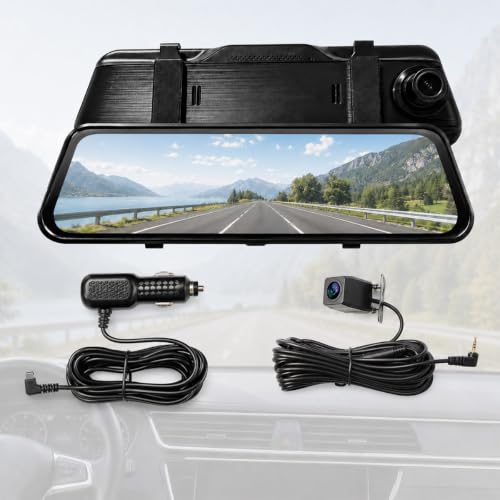
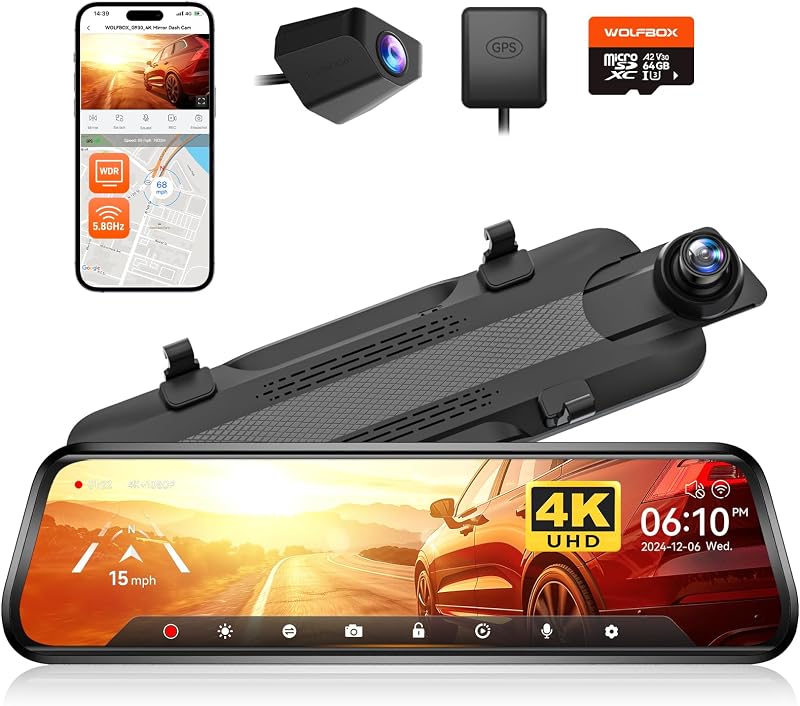
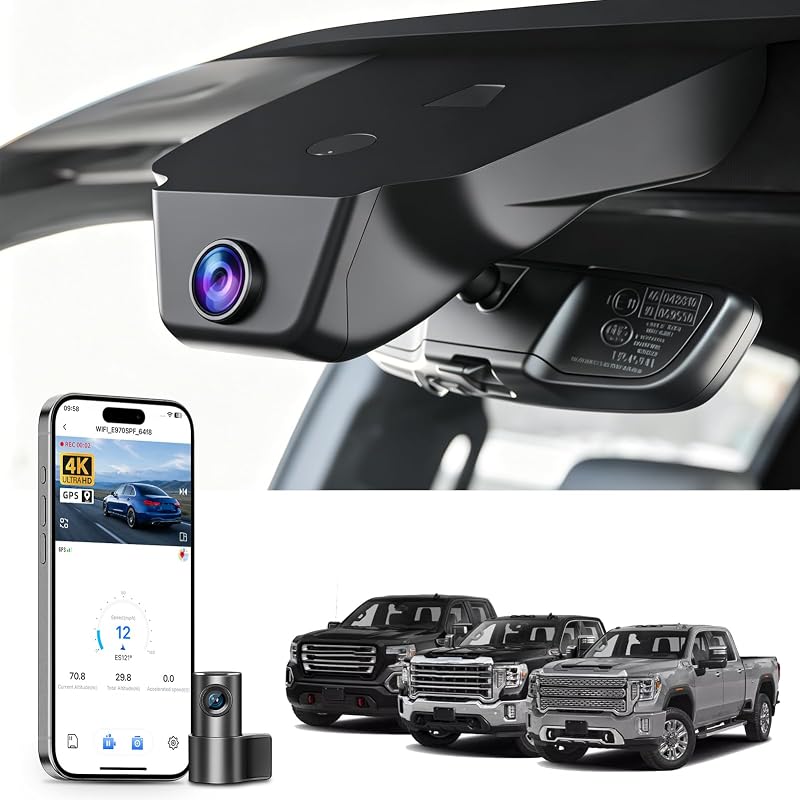
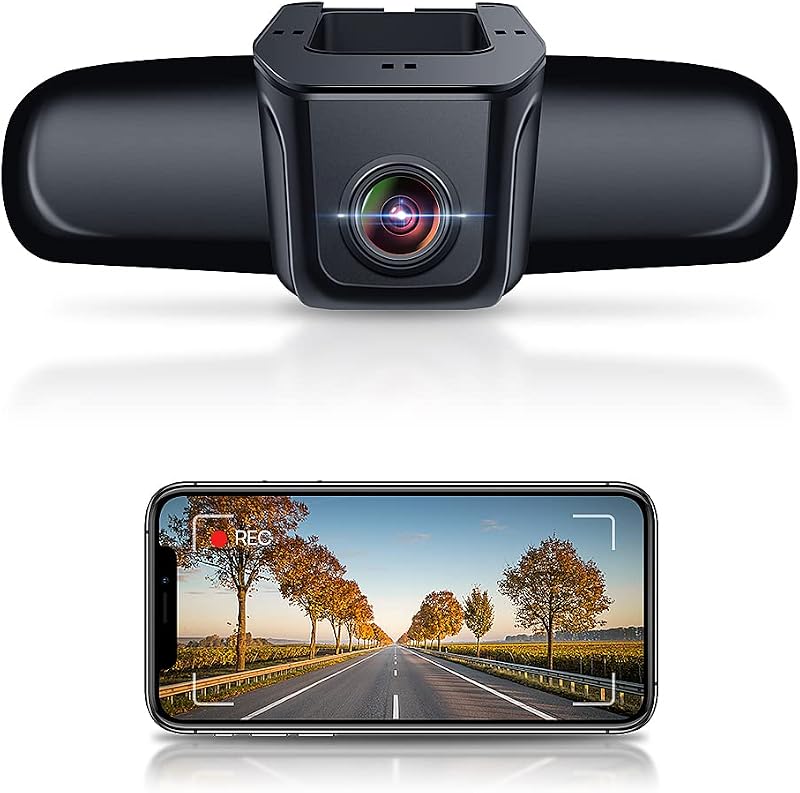
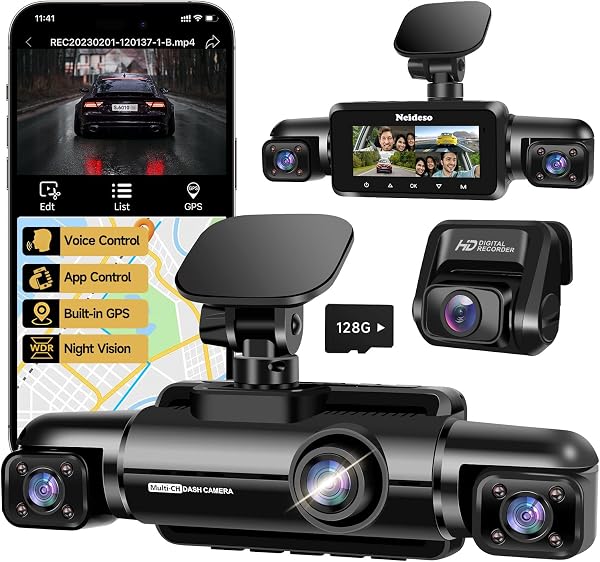
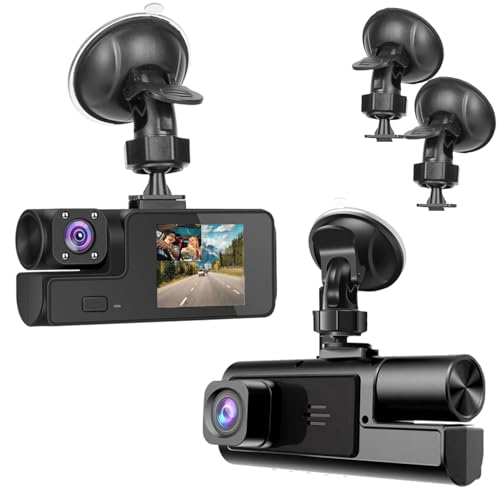
In 2025, a hardwired dash cam is the ultimate guardian for your vehicle, offering peace of mind with continuous recording and parking mode. Choosing the right hardwire kit is critical, as it directly impacts your car’s safety, the camera’s reliability, and the overall value of your investment.
This guide is built on decades of automotive expertise. We’ve evaluated the leading kits on key criteria like power performance, universal fit, build durability, and ease of installation to help you find your perfect match.
Gebildet Universal Type-C Hardwire Kit

This kit is for the dash cam user who wants a permanent, clean power solution without tapping into factory wiring or fussing with fuses.
Its standout feature is the built-in 90-degree right-angle Type-C plug. This low-profile design makes it ideal for modern vehicles where USB-C ports are often in tight, shallow spaces in the dashboard or center console, allowing the plug and cable to sit completely flush without bending or straining the port. This ensures a reliable connection that won’t shake loose from daily vehicle vibrations.
The build quality feels robust, with a thick, cloth-wrapped cable that resists tangling and should hold up to heat. The included adhesive cable clips are effective for a tidy install. While the provided fuse taps are the common low-profile ATC type, you may still need a mini or micro2 tap depending on your vehicle’s fuse box. It’s a reliable, well-thought-out kit that delivers exactly what it promises for a professional-looking installation.
Pros:
- 👍 Low-profile right-angle plug fits snugly in tight USB-C ports
- 👍 Durable, tangle-resistant cloth-wrapped cable
- 👍 Includes adhesive clips for a clean, professional wire run
Cons:
- 👎 Fuse tap type may not fit all vehicle fuse boxes (check your car’s type)
- 👎 Lacks an in-line voltage cutoff module for extended parking mode use
Upgraded Universal Type-C Hardwire Kit

This is the go-to kit for anyone needing a clean, permanent power installation that uses your car’s fuse box instead of the 12V (cigarette lighter) socket, freeing it up for other devices.
Its standout feature is the intelligent power management system, which includes adjustable low-voltage protection to prevent draining your car’s battery. This is crucial for parking mode, as you can set a cutoff voltage (e.g., 11.8V for older batteries, 12.4V for newer ones) and leave the camera running for security without worrying about a dead battery the next morning.
The build quality is robust with thick, tangle-free cabling that’s easy to route along headliners and A-pillars. It handles temperature extremes well and includes a wide array of fuse taps for compatibility with nearly any vehicle on the road. While the instructions are a bit sparse, the hardware itself is a reliable, professional-grade solution.
Pros:
- 👍 Intelligent low-voltage cutoff protects your car’s battery
- 👍 High-quality, heat-resistant cabling is easy to install neatly
- 👍 Includes multiple fuse tap adapters for broad vehicle compatibility
Cons:
- 👎 Installation instructions could be more detailed for novices
- 👎 The control module is a bit larger than some competing kits
OBD Port Type-C Hardwire Kit

This is for the driver who wants a clean, modern power solution without tapping into their car’s fuse box, offering a direct OBD-II port connection with a modern USB-C output.
The primary advantage is the incredibly straightforward installation. There’s no need to route wires across the A-pillar or identify fuses; you simply plug it into your vehicle’s OBD-II port, typically located under the dash near the driver’s knees, and run a short, discreet cable to your dash cam. This is a major time-saver and eliminates the anxiety of incorrectly wiring into the fuse panel for non-technical users.
The build quality is robust, with a thick, tangle-resistant cable and a compact OBD plug that fits neatly in most vehicles without obstructing legroom. It reliably provides constant power for parking mode on compatible dash cams. While it lacks the voltage monitoring of a dedicated hardwire kit, it’s an excellent, foolproof alternative for a clean look without the complexity.
Pros:
- 👍 Extremely simple plug-and-play installation
- 👍 Provides a constant power source for parking recording features
- 👍 Modern USB-C output and a clean, low-profile connection
Cons:
- 👎 Occupies the OBD-II port, which is needed for diagnostics
- 👎 Lacks built-in voltage protection to prevent car battery drain
ROVE Brand-Specific Hardwire Kit

This ROVE kit is for owners of ROVE dash cams who want a permanent, clean installation that enables parking mode. It provides a direct, reliable power connection that bypasses your 12V outlet, freeing it up for other devices.
The standout feature is its vehicle-specific fuse tap adapters. Instead of a generic mini or low-profile fuse, this kit often includes the less common ATO blade style. This means if your vehicle’s fuse box uses ATO slots, you avoid the hassle of finding a separate adapter, making for a quicker, more secure installation with a proper fit that won’t work loose.
Build quality is robust, with thick, well-insulated wiring that stands up to engine compartment heat and cabin cold. The included 15ft cable provides ample length for routing around a large SUV or truck. While support is decent, the instructions could be more detailed for first-timers. For ROVE cam owners seeking a dedicated power solution, this is a practical and durable choice.
Pros:
- 👍 Includes specific ATO-style fuse taps for a direct, secure fit in many vehicles
- 👍 Heavy-gauge power cable is highly durable and resistant to temperature extremes
- 👍 Generous 15-foot length accommodates large vehicles
Cons:
- 👎 Installation instructions lack detail for novice users
- 👎 Kit is only compatible with ROVE brand dash cams
BNnYY OBD Plug-and-Play Adapter
This OBD adapter is the ideal solution for drivers who want a clean, dedicated power source for their dash cam without touching the fuse box. It provides a constant power supply, enabling reliable parking mode functionality to monitor your vehicle while it’s unattended.
Its standout feature is the plug-and-play installation. Simply plug it into your car’s OBD-II port, which is standard in all vehicles made after 1996, and route the cable to your dash cam. This completely eliminates the need for complex wiring, fuse taps, or any electrical knowledge, making it a perfect ten-minute install for any vehicle owner. It provides a stable connection that avoids draining your car’s main battery, a common concern with hardwiring.
The build quality is robust, with a compact design that doesn’t obstruct legroom on most models. It handles typical automotive temperature swings well, though it’s wise to check its specific operating range for extreme climates. While it’s broadly compatible, some proprietary vehicle systems might conflict, so verifying support for your specific make and model is advised. For a fuss-free, professional-looking installation, this is a top-tier choice.
Pros:
- 👍 Incredibly simple, tool-free installation
- 👍 Enables parking mode without fuse box work
- 👍 Broad vehicle compatibility via the OBD-II port
Cons:
- 👎 Occupies the OBD-II port, which is needed for diagnostics
- 👎 Potential compatibility issues with some vehicle computers
Buyer’s Guide: 3 Key Factors to Consider
Safety & Compatibility
Confirm your vehicle’s 12V accessory socket (cigarette lighter) type and location for power routing. Ensure the dash cam mount adheres securely to a clean, unobstructed section of the windshield, typically behind the rearview mirror. A hardwiring kit is required for parking mode functionality.
Performance & Ease of Use
Prioritize a field of view of at least 140 degrees for sufficient lane-to-lane coverage. Evaluate the clarity of license plate readability in footage. Check for intuitive physical controls, reliable automatic recording initiation, and a stable app connection for video retrieval.
Durability & Value
Supercapacitors are preferred over batteries for better heat resilience in a vehicle’s extreme temperatures. Assess the build quality of the mount and cable connectors. A manufacturer’s warranty and the availability of spare mounts or accessories indicate long-term support.
Frequently Asked Questions
Q1: Can I install a hardwired dash cam myself?
A1: With a hardwiring kit and basic tools, many users can perform the installation by routing the cable along the headliner and A-pillar to the fuse box, though consulting a vehicle-specific guide is recommended.
Q2: Does hardwiring void my car’s warranty?
A2: Typically, no, as long as the installation does not directly cause damage to the vehicle’s electrical systems. It is advisable to consult your vehicle’s warranty terms or a professional installer.
Q3: Will parking mode drain my car battery?
A3: Hardwiring kits with a low-voltage cut-off (LVCO) protect the battery by automatically shutting off the dash cam before it drains to a level that prevents the engine from starting.
Q4: Is a professional installation necessary?
A4: While many DIY the install, professional installation ensures optimal, secure cable routing and correct fuse tap selection, which is beneficial for those unfamiliar with automotive interiors.
Q5: What is the benefit of a capacitor in a dash cam?
A5: Capacitors handle extreme vehicle interior temperatures better than lithium-ion batteries, reducing failure risk and providing more reliable performance in both very hot and cold conditions.
Final Verdict: Which One Should You Buy?
For the budget-conscious, focus on core recording reliability. The premium choice delivers superior night vision and enhanced parking monitoring. The all-rounder balances key features with user-friendly operation. For heavy-duty use or commercial vehicles, prioritize maximum durability and wide-angle coverage. Family vehicles benefit from simple set-and-forget operation and robust app connectivity.