Installing a dash cam is a straightforward process that significantly enhances your driving security and peace of mind. A proper installation ensures optimal video recording, avoids obstructing your view, and maintains your vehicle's interior aesthetics. This guide will walk you through the essential steps, from choosing the ideal mounting location to concealing wires for a clean, professional finish. Whether you're a DIY novice or a seasoned pro, you'll learn how to install a dash cam safely and effectively in under an hour.
Key Takeaways
- 1. Choose a power source: hardwiring to the fuse box provides parking mode, while using the cigarette lighter is simpler but lacks continuous power.
- 2. Optimal placement is behind the rearview mirror on the passenger side to minimize obstruction and maximize field of view.
- 3. Clean and prep the windshield with isopropyl alcohol before mounting to ensure the adhesive holds securely.
- 4. Route cables along the headliner, down the A-pillar (avoiding airbags), and under the dash for a clean, invisible installation.
- 5. For hardwiring, always use an add-a-circuit fuse tap and connect to switched (ignition) and constant fuses as specified by your kit.
- 6. Test all camera functions and parking mode settings before finalizing cable management to avoid rework.
Essential Tools and Materials You'll Need

Before beginning your dash cam installation, gathering the right tools and materials is crucial for a clean, professional, and reliable setup. Being prepared will make the process smoother and help avoid damage to your vehicle's interior.
For a basic hardwired installation, you will need:
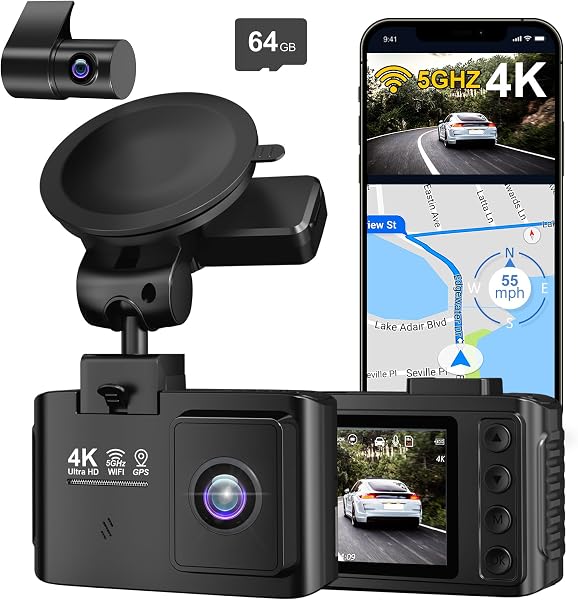
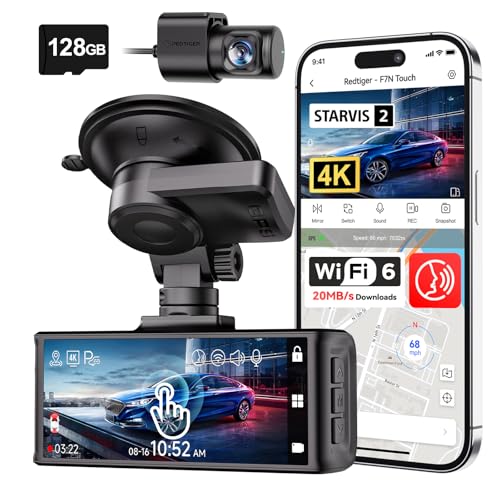
- The Dash Cam Kit: This includes the camera itself, a power cable (typically a USB or proprietary connector), and a vehicle charger.
- Hardwiring Kit: Essential for parking mode. This includes a fuse tap (or "add-a-circuit"), low-voltage protection module, and ground wire.
- Basic Toolkit: A set of plastic trim removal tools is indispensable for prying panels without scratching. You'll also need a fuse puller, wire cutters/strippers, and electrical tape or heat-shrink tubing.
- 12-Volt Circuit Tester: A must-have for safely identifying a switched (ignition-powered) and a constant (battery-powered) fuse in your vehicle's fuse box.
For a clean cable concealment, have a microfiber cloth and isopropyl alcohol to clean surfaces before adhering any mounts. If routing the cable to the rear window for a dual-channel system, ensure you have extra cable clips and patience for navigating through hatchbacks or sedans.
Choosing the Optimal Mounting Location and Angle
The mounting location is critical for both legal compliance and optimal field of view. For most vehicles, the ideal spot is directly behind the rearview mirror, on the passenger side of the mirror housing. This central, high position provides a wide, unobstructed view of the road while minimizing driver distraction.
Before permanent installation, test the angle. The horizon should sit roughly in the lower third of the frame, ensuring the camera captures the road ahead, hood, and crucial skyward space for traffic signals. Adjust the lens to be parallel to the road; a skewed angle will distort the recording. Ensure the view is not blocked by windshield dots (frits), toll transponders, or sun visors.
Legally, the camera must not obstruct the driver's view. In many regions, it cannot be placed within the windshield wiper sweep area on the driver's side. Always check local regulations. For power, route the cable along the headliner, down the A-pillar (tucking it behind airbags), and to your power source (fuse box, cigarette lighter, or hardwire kit) for a clean, safe installation.
Step-by-Step Guide to Hardwiring Your Dash Cam

Hardwiring your dash cam provides a clean, permanent installation and enables essential parking mode functionality. Before beginning, ensure you have a hardwiring kit with a low-voltage cutoff to protect your car's battery.
- Plan the Route: Tuck the power cable along the headliner and down the A-pillar, carefully avoiding airbags. Never run cables over deployed airbag paths.
- Access the Fuse Box: Locate your vehicle's interior fuse box, often found in the footwell. Use a circuit tester to identify a fuse that is switched (powers on/off with ignition) for driving mode, and a constant fuse for parking mode.
- Make Connections: With the car off, plug the hardwire kit into your dash cam. Remove the chosen fuses, insert the kit's piggyback fuse taps, and reinsert the original fuses into the taps. Connect the ground wire to an unpainted metal bolt.
- Finalize Installation: Securely tuck all wiring away, plug the fuse taps into their slots, and neatly bundle any excess cable near the fuse box. Power on your vehicle to test both driving and parking modes.
This professional installation ensures reliable operation and maximizes your dash cam's security benefits. Always consult your vehicle's manual and local regulations.
Concealing Wires for a Clean, Professional Look
Concealing the power cable is the final, crucial step for a professional installation. A tidy setup not only looks better but also prevents dangerous distractions. For a permanent installation, you will need a trim removal tool, a panel pry tool, or a set of plastic spudgers.
Start by routing the cable from the dash cam, tucking it into the seam between the headliner and windshield. Continue down the A-pillar (the pillar on the side of the windshield), but never tuck the wire behind the airbag. Instead, carefully route it along the existing wire harness or in the channel below the airbag module. Use zip ties to secure it to existing wiring, avoiding any moving parts.
From the A-pillar, route the cable behind the dashboard's side panel and glove box, guiding it toward your 12V power outlet or hardwiring connection point. For a completely hidden wire, consider a hardwiring kit that connects directly to your vehicle's fuse box, allowing the dash cam to power on and off with the ignition. This also enables parking mode functionality.
Always consult your vehicle's manual before removing any trim panels, and ensure all wires are secure and clear of pedals, vents, and steering components before reassembling.

Configuring Your Dash Cam's Critical Settings
After physically mounting your dash cam, proper software configuration is essential for reliable operation. Begin by navigating to the resolution and frame rate settings. Always select the highest resolution available (ideally 1080p or 1440p) at 30 frames per second for optimal detail. Using a 60fps mode can reduce file sizes and may not significantly improve license plate clarity.
Next, enable the G-Sensor (impact sensor) and set its sensitivity to "Medium." This locks footage of collisions or sudden jolts into a protected folder, preventing automatic overwriting. Crucially, activate the Parking Mode if your dash cam supports it. This feature, which requires a hardwiring kit for full functionality, uses motion or impact detection to record incidents while your vehicle is unattended.
Finally, adjust the loop recording duration to 3-minute intervals. Shorter clips are easier to manage and save if an incident occurs. Ensure audio recording is disabled unless required by local laws, as it raises privacy considerations. Always format your memory card within the dash cam's menu after initial setup to ensure compatibility and reliability.
Testing and Troubleshooting Your Installation
Once your dash cam is physically installed, thorough testing is crucial before considering the job complete. Begin with a pre-drive checklist: verify the camera powers on automatically with the vehicle, the recording indicator is active, and the lens view is unobstructed by the mount or windshield dots.
Take a short test drive to confirm core functionality. Park and review the footage on your computer or the camera's app to check for:
- Video Clarity: Can you read license plates and see road signs clearly?
- Audio Recording: Is the microphone (if enabled) capturing sound adequately?
- GPS Data: Are speed and location stamps correctly overlaid on the video?
Common issues often have simple fixes. If the camera doesn't power on, double-check all fuse taps and ground connections. Poor video quality usually means a dirty lens or windshield; clean both with a microfiber cloth. For random shutdowns, ensure your power source is stable and your memory card is a high-endurance model formatted within the camera. Regularly exporting and reviewing a clip ensures your system remains a reliable witness.
Maintenance Tips for Long-Term Reliability
Proper installation is the cornerstone of your dash cam's long-term reliability. A secure, clean setup prevents failures and ensures you capture critical footage when needed.
First, plan your cable route. For a permanent installation, tuck the power cable into the headliner, down the A-pillar (never interfering with airbags), and under the dashboard trim to your 12V socket or hardwiring kit. Use included cable clips or static-cling cable organizers for a professional look that avoids loose wires obstructing your view.
Second, ensure a stable mount. Clean the windshield thoroughly with isopropyl alcohol at the mounting point to remove oils and debris. Firmly attach the adhesive mount and allow it to cure for 24 hours before attaching the camera, ensuring a bond that withstands temperature extremes and vibration.
Finally, manage power wisely. For parking mode, use a professional hardwire kit with a low-voltage cut-off to protect your car's battery. Route cables away from hot areas like air vents and moving parts like seat rails. Periodically check all connections and the mount's adhesion as part of your regular vehicle maintenance routine.
Legal and Safety Considerations to Remember
Before purchasing or installing a dash cam, understanding the legal landscape is crucial for safe and compliant use. First, research your local and state laws regarding recording. While generally legal for personal use in most areas, regulations on audio recording are stricter due to wiretapping laws; it's often required to inform passengers they are being recorded. In some regions, like parts of the European Union, strict data privacy laws (GDPR) govern how footage can be stored and shared.
Safety during installation is paramount. Never obstruct your view; mount the camera behind the rearview mirror, within the swept area of your windshield wipers. Route all power cables along the headliner and door seals, never across airbag deployment zones. Use the provided adhesive mount on a clean, static-free section of the windshield for a secure fit.
Finally, be mindful of privacy and ethical use. Avoid posting identifiable footage of others online without consent. Remember, while dash cam footage can be invaluable for insurance claims, it is also a record of your own driving behavior.
Frequently Asked Questions
What is how to install dash cam and who should use it?
A: how to install dash cam is a solution designed to address a specific set of needs for a defined audience. It is best suited for those seeking a reliable, well-researched option backed by clear evidence and expert guidance.
How long does it take to see results with how to install dash cam?
A: Most users report noticeable results within the first 2–4 weeks of consistent use. Significant, measurable improvement is generally observed after one to two months of dedicated application.
Is how to install dash cam suitable for beginners or experienced users?
A: how to install dash cam is designed to accommodate a wide range of experience levels, from complete beginners to advanced practitioners. Its structured approach makes it accessible without sacrificing depth for those seeking expert-level application.
Can how to install dash cam be combined with other approaches or products?
A: Yes, how to install dash cam is generally compatible with complementary strategies and tools. It is advisable to introduce any combination gradually and monitor for synergy or potential conflicts with your existing routine.
What are the most common mistakes to avoid with how to install dash cam?
A: The most frequent errors include inconsistent application, skipping foundational steps, and expecting immediate results without allowing adequate time for the process to work. Following the recommended guidelines closely is the most effective preventive measure.
How does how to install dash cam compare to similar alternatives on the market?
A: how to install dash cam distinguishes itself through its evidence-based formulation, transparent ingredient or methodology sourcing, and a track record of user-verified outcomes. Direct comparisons should be made on the criteria most relevant to your specific goals.
Are there any limitations or side effects associated with how to install dash cam?
A: While how to install dash cam is formulated to minimize adverse effects, individual responses can vary based on specific sensitivities or pre-existing conditions. Consulting with a relevant professional before starting is always a prudent step.
What is the best way to get started with how to install dash cam?
A: The most effective starting point is to begin with a foundational assessment of your current situation, then follow the recommended introductory protocol for how to install dash cam. Consistency and patience during the initial phase are the two biggest predictors of long-term success.
Summary
Installing a dash cam is a manageable project that significantly enhances your driving security. The core steps involve selecting an optimal mounting location—typically behind the rearview mirror—and neatly routing the power cable through the headliner and trim to a power source. For most users, the simple plug-and-play method using the vehicle's 12V socket is perfectly adequate for capturing footage while driving.
For more advanced functionality like parking mode, a hardwired installation to the fuse box is required, which may necessitate professional help. Regardless of the method, the final crucial steps are adjusting the camera for an unobstructed view of the road and configuring the settings with a compatible, high-endurance memory card. A properly installed dash cam provides invaluable peace of mind and evidence in the event of an incident.