Determining how to upload dash cam photos from sd card to pc comes down to choosing between two primary workflows: utilizing a dedicated USB SD card reader or connecting the device directly via a camera-to-PC data cable.
Many users find themselves confused because modern laptops often lack native SD card slots, while some dash cameras lack data-transfer stability through their charging cables. Selecting the right method depends largely on your computer's available ports and the specific file system format of your dash cam’s storage media.
This guide breaks down the hardware requirements, speed considerations, and ease-of-use factors for both methods. By the end, you will have a clear decision framework to move your footage safely and efficiently.
- Hardware compatibility with your laptop or desktop
- Data transfer speeds for high-resolution footage
- Risk of file corruption during the transfer process
- Software requirements and drive mounting procedures
- Physical port availability and adapter necessity
Overview & Head-to-Head Summary

The USB SD Card Reader Method
This method involves removing the microSD card from your dash cam and inserting it into a dedicated reader connected to your computer. It is generally considered the most reliable way to access raw data directly from the storage media.
The Direct Cable Connection Method
This approach involves connecting the dash cam to your computer using the proprietary data cable provided by the manufacturer. It allows for image management without removing the card, often acting as a "plug-and-play" experience for basic photo retrieval.
| Feature | USB SD Card Reader | Direct Cable Connection |
|---|---|---|
| Reliability | High | Moderate |
| Ease of Access | Moderate | High |
| Transfer Speed | Fast | Variable |
| Compatibility | Universal | Device-Specific |
If you are frequently checking your footage, consider learning Do dash cams record when the car is off? Everything You Need to Know for 24/7 Security to ensure you aren't removing the card while it is mid-write.
Key Differences & Core Features

Data Integrity and Hardware Stability
Using an external reader minimizes strain on the dash cam's internal USB port, which is often delicate. Readers provide a consistent power and data stream, reducing the likelihood of interrupted transfers that can occur with loose camera connections.
Portability and Workflow Complexity
A direct cable is convenient if you want to leave the card in the camera, but it requires the manufacturer's specific driver or software. For more complex setups, refer to How Does Baby Car Camera Work? Top 5 Systems for 2026 Reviewed to see how connectivity varies across camera types.
| Factor | External Card Reader | Direct Cable Link |
|---|---|---|
| Port Strain | Minimal | High |
| Driver Needs | Standard USB Mass Storage | Proprietary Software |
| Best For | Large Video Backups | Quick Photo Snaps |
Performance & Real-World Analysis

Evaluating Transfer Efficiency
Performance depends on the USB generation of your reader versus the internal controller of the dash cam. You can evaluate the efficiency by timing a 1GB transfer to see which hardware combination supports faster write speeds to your PC.
Reliability Testing
For most users, the external card reader consistently delivers faster and more stable performance, especially when managing high-capacity cards or 4K footage.
Best Use Cases & Ideal Scenarios

When Option A (SD Card Reader) Makes More Sense
Choose an external card reader when you are archiving large amounts of data or if your dash cam's physical USB port is difficult to reach or slightly damaged. This is the professional standard for dash cam maintenance and regular file backups.
When Option B (Direct Cable) Makes More Sense
The direct cable is ideal for quick, occasional access where you need to verify a photo or short clip without disturbing the physical mounting or risking the loss of a small microSD card.
When It Genuinely Doesn't Matter
If you are simply pulling a single JPEG image for a quick look, either method will suffice. In low-stakes scenarios, the convenience of the nearest cable or reader is the primary deciding factor.
For those managing vehicle interior setups, remember to check your mountings using Baby Car Camera Mounting Tips: Secure Setup Guide 2026 to ensure your access points remain reachable.
Recommended Equipment & Solution

Dockteck SD Card Reader, 3-Slot USB A/C
A reliable pick for Dockteck SD Card Reader, 3-Slot, selected based on this article's guidance.
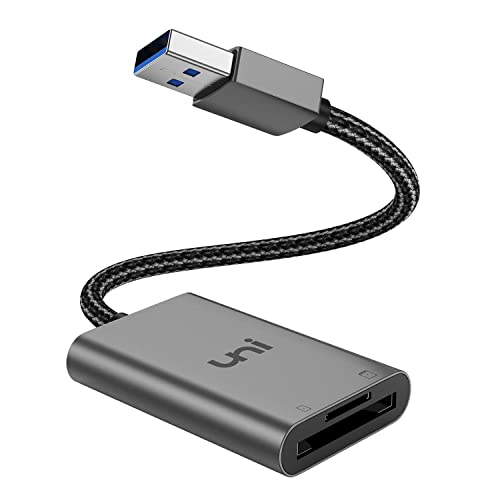
uni SD Card Reader, High-Speed USB 3.0
A reliable pick for uni SD Card Reader, High-Speed, selected based on this article's guidance.
Final Verdict & Decision Framework

Quick Decision Checklist
If you value speed and system stability above all, choose the dedicated SD card reader. If you prefer avoiding the risk of losing tiny SD cards and only need infrequent access, the cable method is perfectly adequate.
Our Framework for Choosing
| Your Goal | Recommended Method |
|---|---|
| Regular Backups | External SD Card Reader |
| Occasional Check | Direct Cable Connection |
| Limited Port Access | External SD Card Reader |
Frequently Asked Questions
Can I use a phone to read the dash cam card?
A: Yes, if your phone has a USB-C OTG adapter or a microSD slot, you can access the files directly through a file manager app.
Why isn't my computer detecting the dash cam?
A: This is often due to the camera being in "Charging Only" mode. Check the dash cam settings to ensure it is set to "Mass Storage" or "Data Transfer" mode.
Is it better to use a hub or a direct port?
A: Using a direct port on your PC is generally faster and more reliable than passing data through a multi-purpose USB hub.
Will removing the SD card reset my dash cam settings?
A: Generally no, but you should always power off the dash cam before removing the card to prevent internal file system errors.
How do I handle protected files?
A: Protected or "event" files are often stored in a separate folder (usually labeled "EMR" or "Event"). You may need to manually unprotect them via the camera menu before your PC can delete them.
Are all SD card readers equal?
A: No, cheap readers can cause heat-related disconnects. Use a reputable brand to ensure steady voltage during data transfers.
Can I edit photos while they are on the card?
A: It is better to copy them to your local PC hard drive first. Editing directly on the card increases the risk of data corruption.
What format should my SD card be in?
A: Most dash cams use exFAT or FAT32. Ensure your PC is compatible with these common file systems for seamless readability.
Key Takeaways
- 1 Dedicated SD card readers provide the most reliable, high-speed data transfer path.
- 2 Direct cables are convenient but rely on specific camera software drivers.
- 3 Always power down the camera before removing any storage media to protect file integrity.
- 4 File systems like FAT32 or exFAT are standard; check compatibility if your PC does not recognize the card.
- 5 Copy files to your local drive before attempting any edits to prevent accidental corruption.
- 6 Event files are usually stored in specific folders that require manual access within the directory.
- 7 Using a high-quality reader is more effective for long-term maintenance than risking damage to the camera's built-in USB port.
Conclusion
Learning how to upload dash cam photos from sd card to pc is a fundamental skill for maintaining your vehicle's security archives. Whether you choose the external card reader for its consistent performance or the direct cable for its occasional convenience, ensuring a stable connection is the most important factor in preventing data loss.
If you are struggling with power management during your uploads, you might also find value in 5 Best Spare Dash Cam Battery Options for Long-Lasting Parking Mode to keep your device functional.
Choose the method that best matches your hardware setup to ensure your dash cam footage remains safe and accessible whenever you need it.