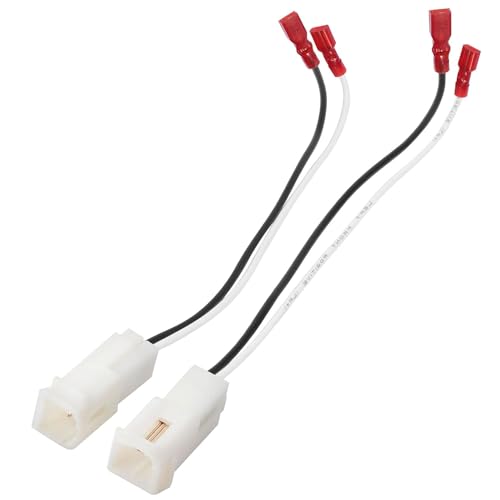
Evaluating the pros and cons of having a dashcam involves choosing between two primary approaches: dedicated standalone cameras and comprehensive integrated surveillance systems. While both aim to provide evidence during road incidents, they offer distinct experiences for the modern driver.
Many drivers find themselves torn between the simplicity of a plug-and-play standalone camera and the advanced, 24/7 capabilities of a hardwired professional installation. Choosing the wrong path often leads to either insufficient coverage or unnecessary complexity that drains your vehicle's battery.
This guide breaks down the technical and practical differences between these two approaches, helping you assess your specific needs so you can make an informed decision on how to secure your vehicle.
- Evidence-based incident protection
- Installation complexity and costs
- Power management requirements
- Long-term reliability and maintenance
- Legal and privacy considerations
Overview & Head-to-Head Summary

Standalone Dash Cams
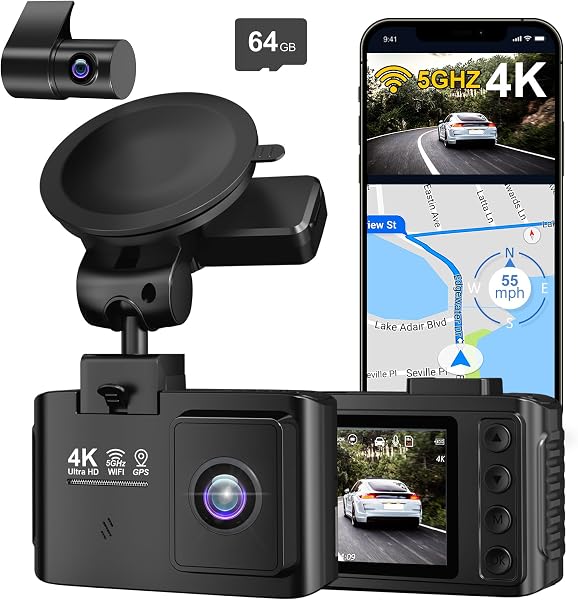
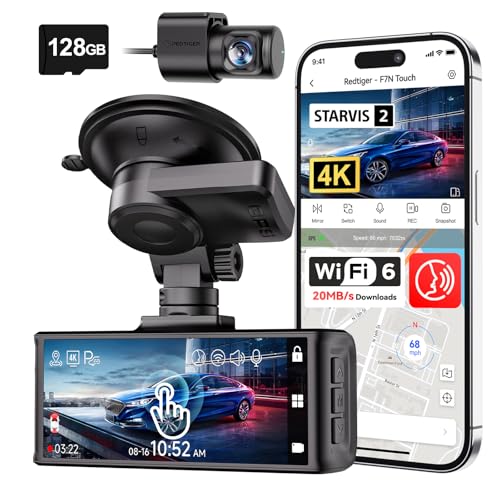
Standalone units are generally self-contained devices that mount to the windshield and power through the cigarette lighter port. They are the most common entry point for drivers seeking basic incident recording without extensive modifications.
Hardwired Security Systems
Integrated systems utilize the vehicle's fuse box for power, allowing for hidden wiring and continuous recording modes. These setups often require more planning, as described in our guide on how are dash cams powered? The complete guide to installation methods.
| Feature | Standalone Cam | Hardwired System |
|---|---|---|
| Installation | DIY / Minimal | Professional / Moderate |
| Power Source | 12V Accessory Port | Vehicle Fuse Box |
| Parking Mode | Limited/None | Full 24/7 Support |
| Aesthetics | Visible Wires | Stealthy / Hidden |
Consider the total investment beyond just the device price. Research how much installing a dash camera costs to see if your budget aligns with professional labor or simple DIY efforts.
Key Differences & Core Features

Architectural Flexibility
Standalone cameras prioritize portability. You can easily move them between vehicles, making them ideal for renters or those who switch cars frequently. In contrast, hardwired systems become a structural part of the vehicle, offering a "set it and forget it" experience that requires zero daily interaction.
Power and Reliability
While standalone units rely on the car running to record, hardwired units utilize battery packs or constant fuse power. Understanding if dash cams record when the car is off is critical for those prioritizing security against vandalism and hit-and-runs.
| Dimension | Standalone | Hardwired |
|---|---|---|
| Portability | High | Low |
| Setup Time | 5 Minutes | 1-3 Hours |
| Cable Visibility | High | Negligible |
| Battery Drain Risk | Low | Moderate (needs monitoring) |
Performance & Real-World Analysis

Evaluating Reliability Under Load
When assessing performance, consider the heat and vibration of your specific vehicle environment. High-end sensors are useless if the mount fails or the power connection is unstable during a high-G event.
Testing Consistency and Retention
Data integrity is the primary purpose of a dashcam. Frequent testing ensures that your SD card is functional and that the loop recording feature hasn't been disabled by a power surge or software glitch.
A properly maintained system, whether standalone or hardwired, significantly increases the likelihood of capturing critical data during a liability dispute.
Best Use Cases & Ideal Scenarios

When Option A Makes More Sense
Choose a standalone dashcam if you are a seasonal driver, use a company vehicle that you cannot modify, or are working within a strict budget. It offers the most immediate "pros and cons of having a dashcam" balance for commuters who just want basic accident documentation.
When Option B Makes More Sense
Select a hardwired system if you own your vehicle and prioritize 24/7 parking surveillance. This is the gold standard for owners concerned about parking lot accidents and vehicle security while unattended.
When It Genuinely Doesn't Matter
If you live in a low-crime area and park exclusively in a private garage, the advanced features of a hardwired system may be overkill. In this scenario, a high-quality standalone unit provides all the evidence you would ever realistically need.
Recommended Equipment & Solution

Vantrue N4 Pro S 4K 3 Channel
A reliable pick for Vantrue N4 Pro S 4K, selected based on this article's guidance.

Osmo Dashcam Pro 2.0 4k with Front
A reliable pick for Osmo Dashcam Pro 2.0 4k, selected based on this article's guidance.
Final Verdict & Decision Framework

Quick Decision Checklist
Before purchasing, ask yourself: Is my goal simply to prove fault in a collision, or do I require a comprehensive security system for my vehicle when I am away from it? Your answer dictates the installation method you should pursue.
Our Framework for Choosing
Avoid viewing one as universally superior. Use the table below to align your priorities with the appropriate technology.
| Your Priority | Recommended Path |
|---|---|
| Immediate, Low-Cost Protection | Standalone |
| Parking Security / Stealth | Hardwired |
| Vehicle Flexibility | Standalone |
| Maximum Reliability | Hardwired |
Frequently Asked Questions
Are dashcams legal in all states?
A: Most states allow dashcams, but you must ensure they do not obstruct your field of view according to local vehicle codes.
Do dashcams drain the battery?
A: Standalone cams only draw power when the car is on, so they don't drain the battery. Hardwired systems can draw power while parked, but usually feature voltage cut-off protection.
Can I install a dashcam myself?
A: Simple cigarette-lighter-powered units are easy for most users. Hardwiring requires familiarity with fuse boxes and is often best left to professionals.
How long do SD cards last in dashcams?
A: High-endurance SD cards are recommended as constant loop recording will eventually degrade standard cards over 12 to 24 months.
Will a dashcam lower my insurance?
A: Some insurance companies offer a small discount for verified dashcam usage, though it is not a universal policy across all providers.
Does cold weather affect dashcams?
A: Yes, extreme cold can affect battery-based units. Capacitor-based units are generally more resistant to extreme temperature fluctuations.
What is the best resolution to look for?
A: 1080p is the bare minimum, but 1440p (2K) is generally recommended for better license plate readability in various lighting.
Are dashcams useful for evidence?
A: They are highly valued by insurance adjusters and police as objective evidence in liability disputes, provided the footage is clear and timestamped.
Key Takeaways
- 1 Standalone cams offer superior portability and ease of setup.
- 2 Hardwired systems are necessary for 24/7 parking mode capabilities.
- 3 Always check your local laws regarding windshield obstruction and recording audio.
- 4 High-endurance SD cards are essential for long-term reliability.
- 5 Professional installation is recommended if you choose to tap into the car's fuse box.
- 6 Temperature resilience should be a primary factor in your hardware choice.
- 7 The value of a dashcam is maximized when maintained and tested periodically.
Conclusion
Deciding on the right dashcam is a balance between convenience and the level of security you require. By weighing the pros and cons of having a dashcam carefully, you can select a system that provides the peace of mind you need without becoming an administrative burden.
Regardless of whether you choose a simple plug-in unit or a complex integrated system, the most important step is ensuring that your chosen device is reliable and properly configured for your specific driving environment.
Selecting the right dashcam today prevents costly headaches on the road tomorrow.