Understanding the top view vs rear view camera difference is essential for any driver looking to optimize their vehicle's safety technology. While both systems utilize optical sensors to provide external feedback, their structural implementation and primary operational goals vary significantly.
Drivers often find themselves choosing between these two setups because manufacturers bundle them differently in modern dash cam and vehicle safety suites. Whether you are looking for total parking coverage or simply need to improve your highway visibility, the distinction between a downward-facing bird's-eye perspective and a traditional back-facing view is critical for your setup.
This guide breaks down the technical and practical distinctions between top-down monitoring and rear-facing recording, providing a structured framework to help you determine which configuration best matches your specific driving environment and safety requirements.
- Perspective mapping: Ground-level vs. horizon-level coverage.
- Obstacle detection: How sensors interpret proximity in both views.
- Installation complexity: Requirements for wiring and calibration.
- Dynamic range: Managing light conditions in distinct camera placements.
- Strategic pairing: When it makes sense to use both systems concurrently.
Overview & Head-to-Head Summary

Defining the Top View (Bird's Eye) System
Top view systems, often marketed as 360-degree or surround view, stitch together images from multiple lenses to provide a simulated overhead perspective. This is designed for low-speed maneuvering and tight-space navigation.
Defining the Rear View Camera
Rear view cameras are standard optical lenses mounted at the back of the vehicle. Their primary purpose is to provide a direct, high-fidelity feed of the area immediately behind the bumper, acting as a critical tool for reversing safety.
| Feature | Top View Camera | Rear View Camera |
|---|---|---|
| Primary Goal | Spatial Awareness | Clear Obstacle View |
| Perspective | Artificial Composite | Direct Optical Feed |
| Best Speed | Low (Parking) | All (Moving/Parking) |
| Installation | Multi-Camera/Complex | Single Camera/Simple |
Before upgrading your current hardware, ensure you understand how your camera handles power in parking scenarios. Learn more at Do dash cams record when the car is off? Everything You Need to Know for 24/7 Security.
Key Differences & Core Features

Architectural Complexity and Signal Processing
The top view system relies on sophisticated software algorithms to map multiple lenses into a single interface. In contrast, the rear view system is a hardware-focused component that prioritizes a raw, low-latency stream, which is crucial for collision avoidance.
Data Presentation and User Feedback
The differences extend to how data is displayed. Top-down views focus on relative distance to lane markings and objects, whereas rear-view systems prioritize depth perception and object identification at varying speeds.
| Feature | Top View System | Rear View System |
|---|---|---|
| Blind Spot Coverage | Comprehensive | Limited to Rear Path |
| Installation Effort | High (Requires Calibration) | Low (Mount & Wire) |
| Data Processing | Real-time Stitching | Direct Feed |
| Cost Range | Premium/Integrated | Budget-Friendly/Add-on |
For those interested in how these systems might integrate with other specialized setups, you can read our guide on How Does Baby Car Camera Work? Top 5 Systems for 2026 Reviewed.
Performance & Real-World Analysis
Evaluating Optical Consistency
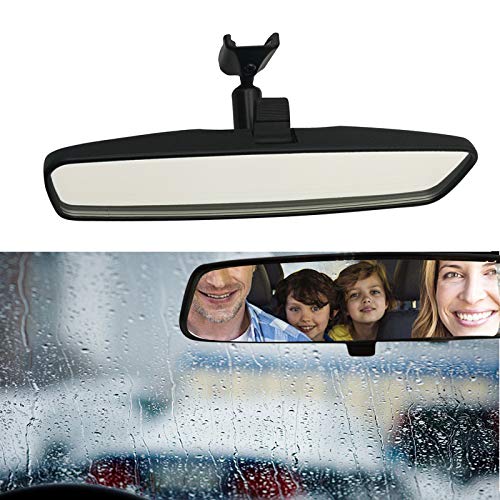
Performance in real-world scenarios depends on light availability and weather resistance. Rear-view cameras benefit from a focused beam of light, whereas top-view systems often struggle with "stitching artifacts" during low-light conditions.
Step-by-Step Evaluation Process
By conducting these tests, users can determine if their chosen setup is sufficient for their daily commute or if additional visibility aids are required.
Best Use Cases & Ideal Scenarios

When Top View Makes More Sense
If you frequently park in tight urban garages or operate large vehicles like SUVs or trucks, the bird's-eye view is invaluable for spatial awareness, preventing low-speed contact with pillars or curbs.
When Rear View Makes More Sense
Rear view cameras are the standard choice for general road safety, assisting with lane changes, highway reversing, and monitoring traffic patterns directly behind the vehicle.
When It Genuinely Doesn't Matter
For drivers who rarely perform complex maneuvers and rely primarily on blind-spot monitoring systems, either camera type serves as an effective secondary backup without significantly impacting daily routine.
Review additional mounting hardware options at Baby Car Camera Mounting Tips: Secure Setup Guide 2026.
Recommended Equipment & Solution
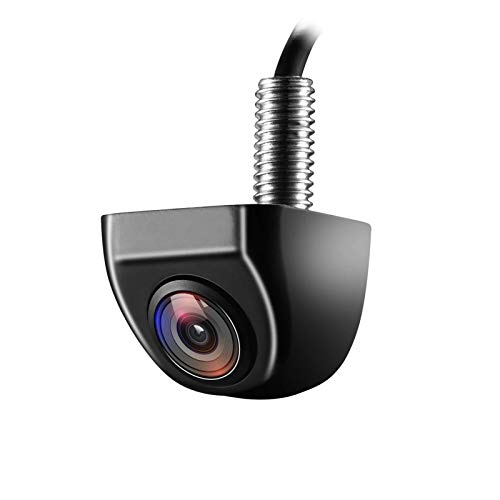
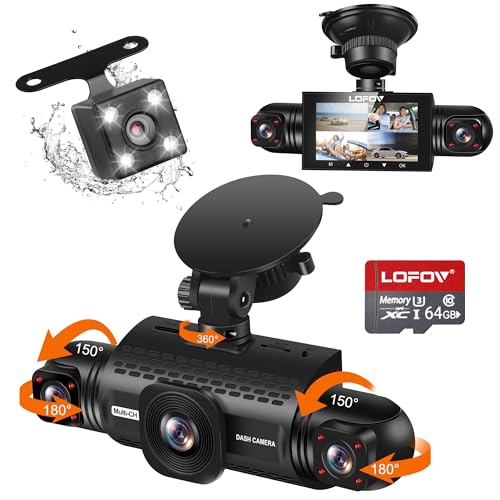
NATIKA Backup/Front View Camera,IP69K Waterproof Great Night
A reliable pick for NATIKA Backup/Front View Camera,IP69K Waterproof, selected based on this article's guidance.
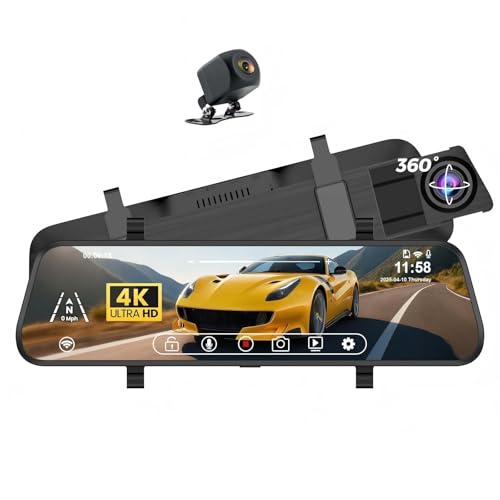
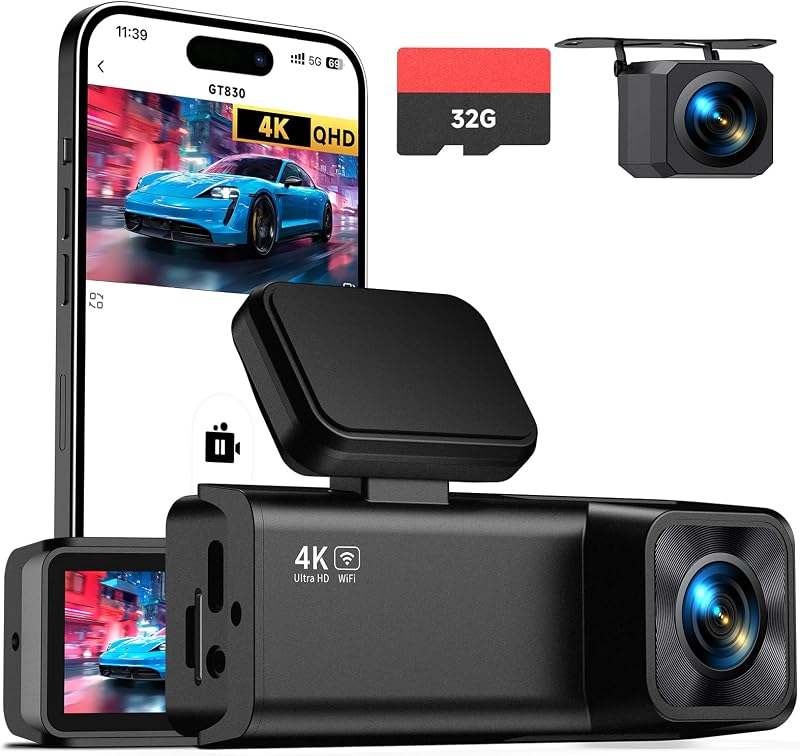
4K Mirror Dash Cam Front and Rear
A reliable pick for 4K Mirror Dash Cam Front, selected based on this article's guidance.
Final Verdict & Decision Framework

Quick Decision Checklist
Consider your vehicle size and parking frequency. If you are a city driver with a large vehicle, prioritize the top-down view. If you are a highway commuter focusing on safety and lane discipline, the high-fidelity rear view camera is the standard.
Our Framework for Choosing
| Priority | Recommended Option |
|---|---|
| Tight Space Parking | Top View |
| Budget Constraints | Rear View |
| General Road Safety | Rear View |
| Large Vehicle Maneuvering | Top View |
Frequently Asked Questions
Can I upgrade a rear view camera to a top view system later?
A: Generally, no. Top view systems require multiple sensors and specific processing units that are difficult to retrofit into vehicles not pre-wired for them.
Do these cameras work in the rain?
A: Most modern systems are IP-rated for weather, but water droplets on the lens can obscure visibility in both systems. Periodic cleaning is required.
Which is more expensive to maintain?
A: Top view systems are more complex and typically carry higher repair costs if an individual sensor or the processing module fails.
Is a top view camera a replacement for mirrors?
A: No, automotive safety experts recommend using top views as a supplementary tool alongside physical mirrors.
Does the camera affect my car insurance?
A: Some insurers offer discounts for advanced safety tech, but individual coverage varies by provider and region.
Can I install these cameras myself?
A: Rear-view cameras are often DIY-friendly, while true top-view systems require professional integration to ensure correct calibration.
Do both views record to a dash cam?
A: Yes, many modern high-end dash cams support multiple inputs and can record both streams simultaneously if the hardware is compatible.
Are there legal restrictions on camera placement?
A: Most regions permit rear cameras, but always ensure your view of the road remains unobstructed and legal.
Key Takeaways
- 1 Top view systems provide simulated spatial awareness for parking.
- 2 Rear view cameras offer a direct optical feed for active traffic safety.
- 3 Complexity favors the rear-view for budget and ease of installation.
- 4 Top view requires professional calibration for accurate stitching.
- 5 Both systems require lens maintenance for clear output.
- 6 Choose based on vehicle size and typical driving environments.
- 7 Always treat these systems as supplements to your own visual awareness.
Conclusion
The top view vs rear view camera difference ultimately comes down to the intended environment: spatial navigation versus longitudinal observation. There is no singular "better" option; the right choice is dictated by your specific vehicle, parking habits, and technical comfort level.
By assessing whether you need help with tight-quarter maneuvering or consistent traffic observation, you can effectively narrow your search for the right hardware.
Prioritize your specific driving needs, and you will find the system that best supports your safety on the road.