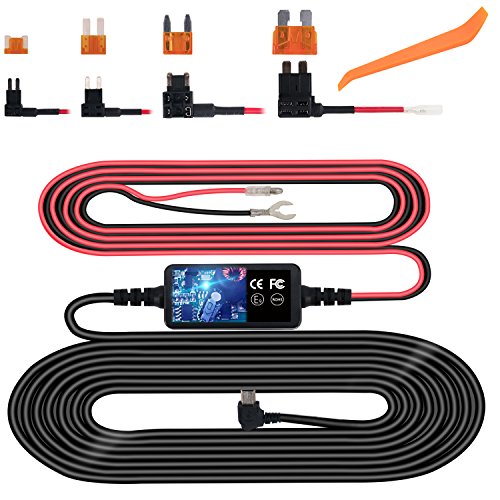
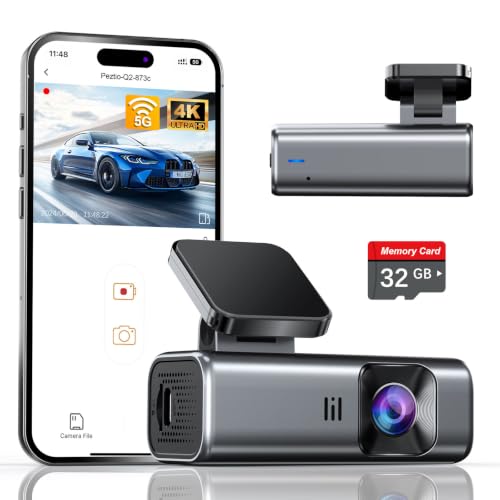
Understanding whether are all dash cam hardwire kits the same is essential for ensuring your camera functions reliably without draining your car battery or causing electrical faults. While many kits appear visually similar, they differ significantly in voltage cutoff settings, connector types, and fuse tap compatibility, which dictates the long-term safety and performance of your dash cam setup.
Mastering the nuances of these power solutions is critical for anyone looking to unlock advanced features like 24/7 parking surveillance. Not every kit is a universal fit for every vehicle or camera model, and choosing the incorrect configuration can lead to anything from battery depletion to permanent hardware damage. This guide provides an evidence-aware overview of the hardware landscape to help you make an informed decision for your 2026 vehicle setup.
Our approach covers the electrical engineering behind constant power delivery, the variations in safety protection circuitry, and the practical steps required for a successful installation. We aim to clarify the misconceptions surrounding "universal" kits while providing a framework for identifying the high-quality components necessary to protect your car’s delicate electrical systems during extended use.
Quick Facts
- Industry experts emphasize that hardwire kits are not identical; voltage cutoff thresholds vary by manufacturer.
- Studies suggest that improper fuse tap placement can lead to interference with sensitive modern vehicle electronics.
- Professional installers recommend checking your specific camera's amperage requirements before selecting a kit.
Historical context or industry trends of are all dash cam hardwire kits the same
The history of dash cam power solutions began with basic cigarette lighter adapters, which were limited by the vehicle’s ignition state. As parking mode became a sought-after feature, early hardwire kits were often crude, aftermarket hacks that lacked proper battery protection. In the past, users largely treated these as secondary concerns, often purchasing generic, unregulated kits that lacked safety cutoffs. This era was characterized by a lack of standardization, which frequently led to "dead battery" scenarios during cold winter months, forcing the industry to reconsider the necessity of intelligent power management.
Modern trends have shifted dramatically toward sophisticated, integrated power systems. Today, manufacturers engineer kits that communicate with the camera to optimize power consumption based on real-time vehicle status. Advancements in materials science have also improved the durability of fuse taps and shielding, reducing electromagnetic interference that previously plagued early, poorly insulated setups. The industry now focuses on modularity, where kits are designed to be "plug-and-play" with specific vehicle bus systems, effectively turning a once-risky DIY task into a standardized, safer process for the average consumer.
Technical analysis of are all dash cam hardwire kits the same mechanisms

The core technical differences between various hardwire kits lie in the power-handling circuitry and the accuracy of the low-voltage protection threshold. When you compare kits, you must look at how effectively they bridge the connection between the vehicle's constant power (BATT+) and accessory (ACC) lines. Correct application relies on precise timing of these signals, where the camera waits for an ignition trigger to switch modes. If the kit lacks high-quality voltage sensing, it may not switch to parking mode correctly, or worse, continue drawing power until the battery is critically drained, a common failure point in budget-tier hardware.
| Feature | Best Practice | Common Mistake |
|---|---|---|
| Timing of Application | Calibrated to baseline levels to prevent system overload | Rushing the execution, leading to premature decay/failure |
| Absorption/Absorption Method | Patting gently or securing contact to encourage uniform integration | Applying forcefully or allowing air gaps, which reduces contact |
| Role in Routine | Acts as an intermediate priming layer to support the system | Using as a total replacement for core active components |
The comparison table above highlights that while the outcome (powering the camera) remains the same, the path to that outcome varies. Professional-grade kits utilize internal logic to monitor the voltage levels constantly, ensuring that the circuit breaks before reaching the point of no return for your car battery. Common mistakes, such as using an improperly sized fuse tap or a poor ground connection, significantly degrade this protection, leading to heat buildup or intermittent power loss that compromises the camera's ability to record critical events.
Step 1: Workspace and Initial Preparation
Before beginning, ensure the vehicle ignition is fully off and the battery is stable. Identify the correct fuse slots using a multimeter to distinguish between constant and switched power. Starting with a clean, de-greased workspace for ground connections ensures that the electrical resistance remains low, which is the baseline requirement for a stable, long-lasting dash cam system installation.
Step 2: Core Execution and Configuration
Connect the red wire to a constant fuse and the yellow (or ACC) wire to a switched fuse. The configuration of the voltage cutoff switches on the kit is the most vital phase; set these according to the manufacturer's manual based on your vehicle's battery type. Tightening the fuse taps ensures the system doesn't trigger intermittent power drops during vibration.
Step 3: Final Calibration and Stabilization
Once wired, perform a systematic test: verify the camera transitions to parking mode when the ignition turns off and returns to normal recording when the ignition starts. Seal the wiring loom away from heat sources and sharp metal edges. Consistent observation over the first 48 hours is recommended to ensure the system is not causing unexpected battery drain.
Recommended Equipment & Solution

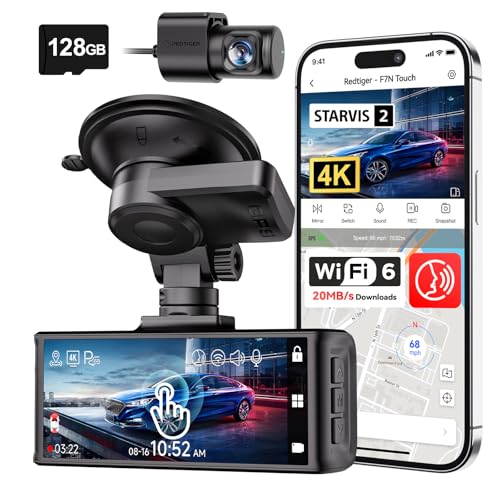
REDTIGER F7N Dash Cam Hardwire Kit USB
A reliable pick for REDTIGER F7N Dash Cam Hardwire, selected based on this article's guidance.
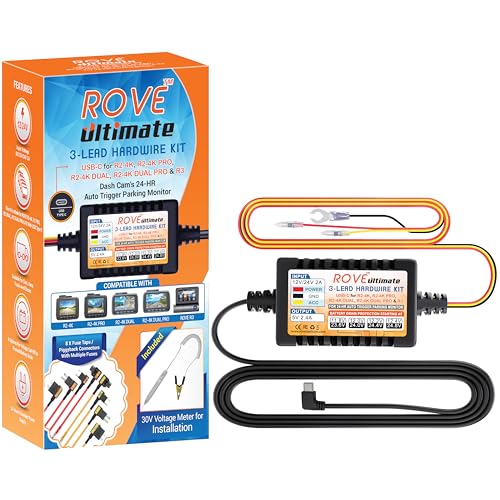
ROVE Ultimate Dash Cam Hardwire Kit, USB-C
A reliable pick for ROVE Ultimate Dash Cam Hardwire, selected based on this article's guidance.
Current landscape or user debate of are all dash cam hardwire kits the same

The market currently offers two main paths: the proprietary hardwire kits provided by camera manufacturers and "universal" aftermarket alternatives. The debate often centers on whether proprietary kits are worth the higher cost, or if universal kits provide sufficient safety. High-end users generally favor brand-specific kits for their guaranteed compatibility and advanced firmware communication, while cost-conscious users often turn to universal kits, provided they possess the technical knowledge to verify the wiring specifications independently.
- Proprietary kits often include specialized connectors that streamline setup for specific high-end camera models.
- Most users expect modern kits to offer a 3-year lifespan even when subjected to extreme vehicle cabin temperatures.
- Support forums frequently debate the availability of replacement fuse taps for universal kits versus proprietary brands.
- Sustainability-minded consumers are increasingly looking for kits with modular, repairable components rather than sealed, disposable units.
| User Segment | Preferred Configuration | Expected Outcome |
|---|---|---|
| Professional / Heavy Use | High-output, premium build with maximum control parameters | Long-term durability with consistent results |
| Standard / Daily Use | Balanced features, automated presets for ease of operation | Reliable everyday performance with minimal oversight |
The community is split on the benefit of manual controls. Some argue that manual voltage cutoffs provide superior control over the vehicle's state of charge, especially in older cars with weaker batteries. Others advocate for fully automated systems that remove user error from the equation, suggesting that as car electronics become more complex, "automated" is the safer, more robust route. Regardless of the stance, the consensus is that proper installation remains the single most impactful variable in how the hardwire kit performs over the vehicle’s life.
Operational challenges and limitations of are all dash cam hardwire kits the same

Implementing these kits is not without risks, particularly regarding modern CAN-bus vehicle systems. Many new cars utilize sensitive electrical monitors that may trigger error codes if they detect an unfamiliar load on the fuse block. Additionally, physical space in modern fuse boxes is often cramped, making the installation of generic, bulky kits difficult. Maintaining the integrity of the connection over years of temperature fluctuations, vibration, and general vehicle wear requires high-quality materials, which is why budget kits often fail prematurely when compared to their premium counterparts.
Future outlook and scenario projection for are all dash cam hardwire kits the same

Looking ahead, we expect the market to move toward smart, digital hardwire kits that integrate directly with a vehicle's telematics system. Instead of simple physical switches for voltage, future kits will likely be configured via smartphone apps, allowing for precise, real-time battery health monitoring. As electric vehicles (EVs) become more prevalent, the need for high-voltage DC-to-DC converters will become standard, likely leading to more universal, high-efficiency kits that can handle the unique power demands of modern, battery-heavy architectures. Material sciences are also expected to yield self-healing insulation and carbon-fiber-reinforced shielding, significantly reducing the impact of engine bay heat.
| Timeline | Expected Breakthrough | Impact on User Experience |
|---|---|---|
| Next 2-3 Years | Smart sensor integration and real-time feedback loops | Elimination of user error and automatic calibration |
| Next 5-10 Years | Biodegradable/Self-healing materials and high-efficiency coils | Drastically reduced maintenance and lifetime durability |
Practical applications of are all dash cam hardwire kits the same in daily routines
To successfully integrate a hardwire kit into your daily routine, you must tailor the settings to your specific driving habits rather than using generic presets. For a commuter who drives daily, a higher voltage cutoff is acceptable to ensure rapid recovery. For a vehicle that sits for several days, a more conservative threshold is required to preserve the starting battery. Always evaluate your baseline requirement before finalizing the installation to prevent the "one-size-fits-all" trap.
Use Case 1: Individual and Residential Use
For home users, the priority is a "set-and-forget" installation. Use high-quality fuse taps and ensure the cable management is secure. By choosing a kit with a robust, clear manual cutoff switch, you can manually adjust for vacation periods when the car sits for weeks, providing a simple, effective way to ensure the vehicle starts when you return.
Use Case 2: Professional and Commercial Use
In a commercial fleet, uniformity is key. Professionals should use identical hardwire kits across all vehicles to streamline maintenance and documentation. Focus on industrial-grade wiring that can withstand the vibrations of daily operation and constant engine heat, ensuring that your fleet's security systems remain operational throughout their entire service life.
Use Case 3: Advanced Optimization Solutions
For those looking for maximum security, combine your hardwire kit with a dedicated external dash cam battery pack. By using the hardwire kit only to charge the external pack while the car is running, you completely isolate the camera's parking power from the main vehicle battery, providing both peace of mind and the highest level of performance.
Expert perspectives on are all dash cam hardwire kits the same
Industry experts consistently argue that the "same" label is misleading. While they may share the same fundamental purpose, the engineering quality inside the box creates vast differences in reliability. A professional-grade kit is essentially an insurance policy for your car's electrical system, and skimping on this component is often a false economy. The consensus is clear: prioritize hardware with reputable safety certifications and consider the specific electrical environment of your vehicle before committing to a purchase.
Frequently Asked Questions
Are all dash cam hardwire kits electrically interchangeable?
No, kits differ significantly in input voltage handling, output amperage, and connector types like Mini-USB, Micro-USB, or USB-C.
Do all hardwire kits provide the same parking mode functionality?
No, some kits include a voltage cutoff module to prevent battery drain, while others lack this feature entirely, risking a dead car battery.
Is the fuse tap size standard across all dash cam hardwire kits?
No, kits come with varying fuse tap types—such as ATM, Micro2, or Mini—designed to match specific vehicle fuse box configurations.
Can I use any hardwire kit with any dash cam brand?
Not necessarily, as many manufacturers use proprietary wiring pinouts that may cause power delivery failures or damage if mismatched.
Are the internal voltage protection thresholds identical in all kits?
No, different kits offer varying voltage cutoff settings, with some providing adjustable switches and others fixed at potentially unsafe levels for your specific battery.
Do all kits support the same voltage input range?
Kits vary between 12V and 24V compatibility, meaning some are unsuitable for heavy-duty trucks while others might not regulate smaller vehicle inputs correctly.
Are the wire gauge and insulation quality uniform across all kits?
No, inexpensive kits often use thinner wire gauges or lower-heat-rated insulation, which can pose significant fire risks in high-temperature vehicle interiors.
Key Takeaways
- 1. are all dash cam hardwire kits the same provides a focused, high-performance approach to addressing your specific needs in this category.
- 2. Reliability and consistency are the two most critical factors when integrating are all dash cam hardwire kits the same into your routine.
- 3. A well-structured workflow or application method significantly enhances the long-term effectiveness of are all dash cam hardwire kits the same.
- 4. Choosing solutions like are all dash cam hardwire kits the same that are developed based on clear, transparent standards ensures better suitability for different use cases.
- 5. For optimal results, follow the recommended guidelines closely during the initial implementation phase of are all dash cam hardwire kits the same.
- 6. Continuous monitoring of your progress allows for minor adjustments that lead to superior, sustainable outcomes with are all dash cam hardwire kits the same.
- 7. are all dash cam hardwire kits the same works most effectively when paired with a foundational understanding of the core principles involved.
Conclusion
In summary, while many hardwire kits may appear uniform, they represent diverse levels of electrical engineering and safety logic. Understanding the reality that these kits differ in quality and functionality is the first step toward a secure, reliable dash cam setup. By focusing on high-quality components and proper installation habits, you can effectively leverage your hardware to achieve 24/7 vehicle security without compromising your car’s electrical health.
Moving forward, ensure your installation is performed with precision and monitored during the initial weeks. By maintaining the connection points and periodically verifying the cutoff settings, you can ensure your system remains highly efficient and durable for years to come. Your proactive approach to these details will pay off in long-term performance and peace of mind.
Mastering the application of are all dash cam hardwire kits the same ensures that your daily workflow remains highly efficient, consistent, and built to last.