When looking for continuous dash cam operation, understanding what is a car hardwire kit vs. a standard cigarette lighter adapter is the first step in upgrading your vehicle's surveillance setup. Many users struggle to differentiate between these two power solutions, often underestimating how a dedicated hardwire kit affects long-term reliability and parking security.
While a standard 12V adapter offers a plug-and-play experience, a hardwire kit provides a permanent, hidden, and intelligent power source. This comparison explores the technical differences, installation requirements, and operational benefits of each, helping you decide which method aligns with your vehicle's needs.
This guide breaks down the architecture, power management capabilities, and trade-offs of both options, ensuring you can make an informed decision for your dash cam installation.
- Power stability and consistency
- Impact on vehicle battery life
- Installation complexity and professional requirements
- Stealth and interior aesthetics
- Compatibility with advanced parking modes
Overview & Head-to-Head Summary

The Standard 12V Accessory Adapter
The cigarette lighter adapter is the traditional, non-permanent method for powering dash cams. It relies on the vehicle's accessory circuit, meaning it only provides power when the ignition is engaged. It is simple to install but often leaves cables exposed across the dashboard.
The Dedicated Car Hardwire Kit
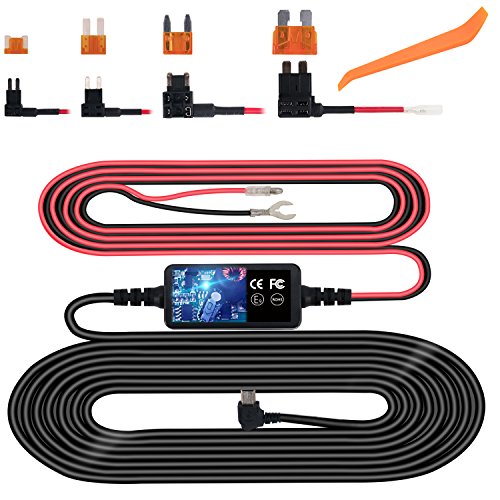
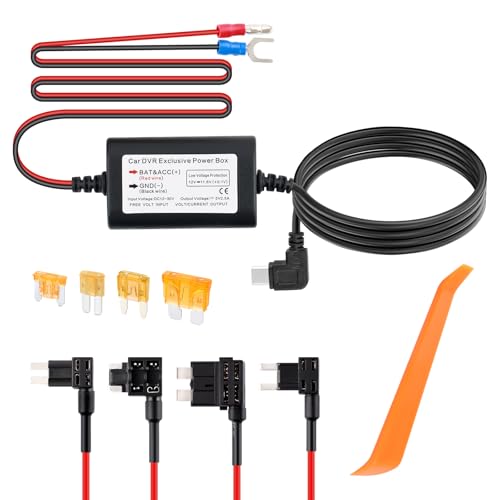
A hardwire kit is a secondary power delivery system that connects directly to the vehicle's fuse box. Beyond just providing power, it often includes low-voltage protection circuitry, which is essential for 24/7 security monitoring without draining the car battery.
| Feature | 12V Adapter | Hardwire Kit |
|---|---|---|
| Installation | Plug & Play | Fuse Box Tap |
| Parking Mode | No | Yes (with auto-cutoff) |
| Visibility | Visible Wires | Hidden |
| Power Source | Accessory Circuit | Constant/ACC Fuse |
Key Differences & Core Features

Architectural Differences in Power Delivery
The primary architectural difference lies in where the power is pulled from. The 12V adapter is limited by the vehicle's accessory port, which is frequently cycled on and off. A hardwire kit taps into a constant power source to allow the camera to remain active, while using a battery-monitor sensor to detect when the car battery voltage drops too low.
Installation and Interior Aesthetics
While the adapter is the simplest to move between vehicles, it creates clutter. Hardwire kits allow for cable management behind headliners and trim, providing a clean, factory-installed look. For those managing complex setups like a baby car camera system, hardwiring is often preferred to keep the cabin tidy and safe from loose cables.
| Dimension | 12V Adapter | Hardwire Kit |
|---|---|---|
| Permanence | Temporary | Permanent |
| Risk Factor | Low (User error) | Moderate (Wiring errors) |
| Battery Drain | Zero | Minimal (Monitored) |
| Componentry | Basic Cable | Power Module + Fuse Taps |
Performance & Real-World Analysis
Assessing Reliability Under Load
Reliability hinges on how power is managed. A hardwire kit is specifically designed to handle the thermal load of continuous recording, whereas cheap adapters may overheat or provide inconsistent voltage, leading to camera reboots or card errors.
Evaluating Power Protection Features
Best Use Cases & Ideal Scenarios

When Option A (12V Adapter) Makes More Sense
This is the ideal choice for short-term rentals, older vehicles where fuse access is difficult, or users who prioritize simplicity and non-permanent modification. If you move your camera between cars regularly, the 12V adapter is the superior choice.
When Option B (Hardwire Kit) Makes More Sense
Hardwiring is necessary for users requiring 24/7 parking surveillance. It is also the preferred aesthetic for high-end vehicles where visible cables are unacceptable. If you want a "set it and forget it" security system, the hardwire kit is the standard requirement.
When It Genuinely Doesn't Matter
For drivers who only record during the commute and never use parking mode, the ease of installation associated with the 12V adapter makes the complexity of a hardwire kit unnecessary.
Recommended Equipment & Solution

REDTIGER F7N Dash Cam Hardwire Kit USB
A reliable pick for REDTIGER F7N Dash Cam Hardwire, selected based on this article's guidance.
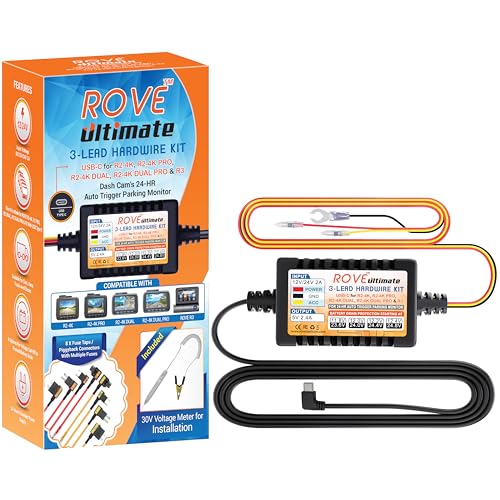
ROVE Ultimate Dash Cam Hardwire Kit, USB-C
A reliable pick for ROVE Ultimate Dash Cam Hardwire, selected based on this article's guidance.
Final Verdict & Decision Framework
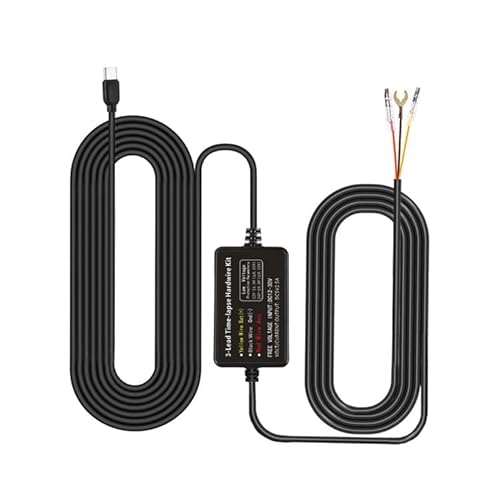
Quick Decision Checklist
Choose the 12V adapter if you value ease of installation and frequently swap vehicles. Choose a hardwire kit if you prioritize professional aesthetics, parking security, and a permanent, integrated experience.
Our Framework for Choosing
| Priority | Recommended Power Method |
|---|---|
| Maximum Security | Hardwire Kit |
| Rental/Lease Vehicle | 12V Adapter |
| Clean Interior Look | Hardwire Kit |
| DIY Beginner | 12V Adapter |
Frequently Asked Questions
Does a hardwire kit void my car's warranty?
A: Generally, if installed correctly using a fuse tap, it should not void your warranty. However, consult your vehicle manufacturer's manual or dealer if you are concerned about electrical system modifications.
What is a car hardwire kit's main risk?
A: The primary risk is improper installation, such as tapping into a safety-critical fuse (e.g., airbags or ECU). Always use a dedicated, non-critical accessory fuse.
Can I install a hardwire kit myself?
A: Yes, if you are comfortable using a test light or multimeter and identifying fuse types. There are many vehicle-specific tutorials available online.
Will a hardwire kit drain my car battery?
A: High-quality kits include low-voltage protection that cuts power to the camera once your battery hits a specific threshold, preventing a dead battery.
Is there a difference between universal and brand-specific kits?
A: Some cameras require proprietary connectors, so ensure your kit matches your dash cam's power port (e.g., USB-C or Mini-USB).
How long does it take to hardwire a camera?
A: A typical installation takes between 45 to 90 minutes depending on your vehicle's trim layout and fuse box accessibility.
Does hardwiring affect camera image quality?
A: No, hardwiring provides a more consistent electrical supply, which can actually help prevent performance issues like random reboots or file corruption.
What is the best way to hide the wires?
A: Use a plastic trim removal tool to tuck the power cable behind the rubber door seals and the headliner for a clean, professional finish.
Key Takeaways
- 1 Hardwire kits are essential for continuous parking mode monitoring.
- 2 Cigarette lighter adapters are ideal for temporary or rental vehicle use.
- 3 Always select a fuse tap that is not critical to vehicle operation.
- 4 Low-voltage protection is the most important feature of any hardwire kit.
- 5 Professional installation is recommended if you are uncomfortable with automotive electrical systems.
- 6 Aesthetic appeal is significantly higher with hardwired, hidden cables.
- 7 Compatibility checks for both fuse type and power port are mandatory before purchase.
Conclusion
Choosing between a 12V adapter and a hardwire kit ultimately comes down to your requirements for parking security and cabin aesthetics. While the adapter offers unmatched convenience, the hardwire kit provides the stability and functionality required for true 24/7 security. By weighing your need for permanence against your comfort with installation, you can effectively secure your vehicle surveillance system.
If you are still weighing your security options, ensure you have considered the total cost of ownership including potential professional installation fees for the hardwire option versus the simplicity of a plug-in adapter.
Prioritize reliable power delivery to ensure your dash cam is operational when you need it most.