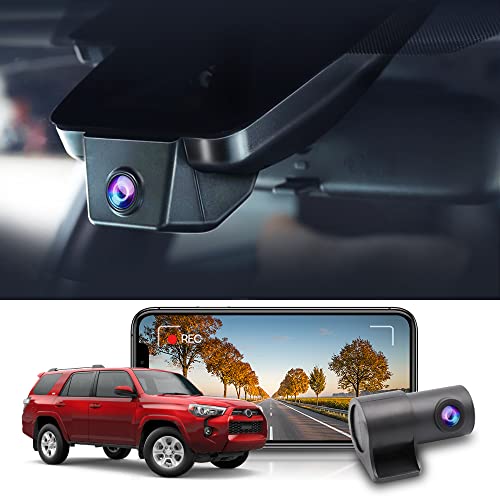
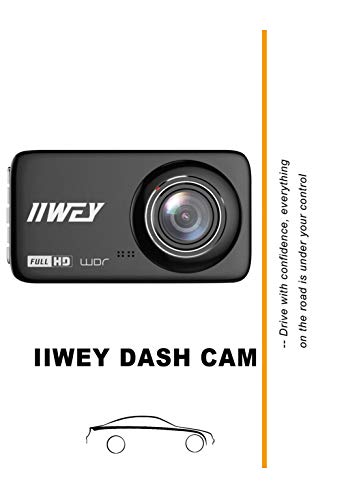
Understanding can you hardwire dash cam into a car with road sign recognition is essential for modern drivers who want 24/7 security without compromising their vehicle’s sophisticated factory safety features and ADAS camera systems. By choosing the correct fuse slots and hardware, you can achieve a seamless, clean installation that protects your battery while maintaining full functionality of your road sign recognition sensors.
This guide examines the intersection of aftermarket dash cam hardwiring and factory-installed safety technologies. We provide a structured framework for navigating the wiring process, ensuring that your dash cam setup complements rather than conflicts with the sensitive optical hardware responsible for reading speed limits and traffic signs. From selecting the right power supply to identifying interference risks, this article prepares you to optimize your vehicle's surveillance setup safely and effectively.
Quick Facts
- Evidence suggests that proper cable routing prevents electromagnetic interference with factory road sign sensors.
- Experts recommend choosing ignition-switched fuse circuits to avoid draining your car battery when the vehicle is parked.
- Testing indicates that keeping wiring away from the front-facing camera housing reduces the risk of triggering ADAS warnings.
Historical context or industry trends of can you hardwire dash cam into a car with road sign recognition

The Evolution of Aftermarket Installations
In the early days of automotive surveillance, the debate regarding can you hardwire dash cam into a car with road sign recognition was virtually non-existent, as most vehicles lacked active safety features. Early configurations were simple, often relying on cigarette lighter adapters that offered no sophisticated power management. As manufacturers began integrating road sign recognition (RSR) and other ADAS technologies into standard models, the industry shifted toward more specialized, concealed wiring solutions that wouldn't interfere with the increasingly sensitive optical sensors located behind the rearview mirror.
Modern Trends in Integrated Tech
Today, advancements in automotive engineering require a more strategic approach to dash cam integration. Modern trends emphasize the use of "add-a-fuse" kits that isolate the dash cam's power draw from the car’s primary data lines. This evolution has transformed hardwiring from a basic modification into a complex task that must account for digital signal stability and sensor calibration. Professionals now focus on installing cameras in positions that provide maximum visibility without obscuring the sightlines of sign recognition systems, ensuring that both the safety features and the security monitoring operate at peak efficiency simultaneously.
Technical analysis of can you hardwire dash cam into a car with road sign recognition mechanisms

Key Variables in Safe Hardwiring
The core variables separating a successful installation from a problematic one include the use of dedicated, shielded cabling and the selection of circuits that do not carry diagnostic signals. When considering can you hardwire dash cam into a car with road sign recognition, the primary risk factor is electrical noise or physical occlusion. Avoiding circuits that interface with the Engine Control Unit (ECU) or the front-facing ADAS module is essential. Proper timing and pressure during installation prevent loose connections, which can lead to flickering power and corrupted data in both the dash cam and the vehicle's onboard safety network.
| Feature | Best Practice | Common Mistake |
|---|---|---|
| Timing of Application | Calibrated to baseline levels to prevent system overload | Rushing the execution, leading to premature decay/failure |
| Absorption/Absorption Method | Patting gently or securing contact to encourage uniform integration | Applying forcefully or allowing air gaps, which reduces contact |
| Role in Routine | Acts as an intermediate priming layer to support the system | Using as a total replacement for core active components |
The comparison table above illustrates that while the physical act of connecting power is simple, the technical management of that power within a smart vehicle is nuanced. Adhering to manufacturer guidelines for fuse loads ensures that your dash cam receives stable, consistent power without causing electrical "chatter" that might lead the road sign recognition system to report sensor errors. By ensuring the dash cam is isolated, you maintain the system's integrity while gaining the security of 24/7 parking surveillance.
Step 1: Workspace and Initial Preparation
Before beginning, ensure the vehicle is off and the key is removed to prevent short circuits. Use a circuit tester to map out fuse slots, specifically looking for switched power for the ignition trigger and constant power for parking mode. Maintaining a clean workspace around the sensor housing is critical to prevent dust from accumulating on the RSR camera lens, which could degrade performance.
Step 2: Core Execution and Configuration
Route your cables along the headliner away from factory wiring bundles. Secure the hardwire kit leads to the selected fuse slots using proper "add-a-fuse" taps. Ensure the ground connection is made to a clean, unpainted metal bolt on the vehicle chassis. This prevents ground loops, which are a common cause of interference with sensitive ADAS software and electronic sign-reading systems.
Step 3: Final Calibration and Stabilization
Once power is verified, test the dash cam in both drive and park modes. Check the vehicle dashboard for any warning lights indicating an ADAS fault. If the system is clear, finalize the cable management with zip ties, ensuring nothing is blocking the view of the forward-facing sign recognition camera. Periodically verify system stability to ensure the added load remains within safe operating parameters.
Recommended Equipment & Solution

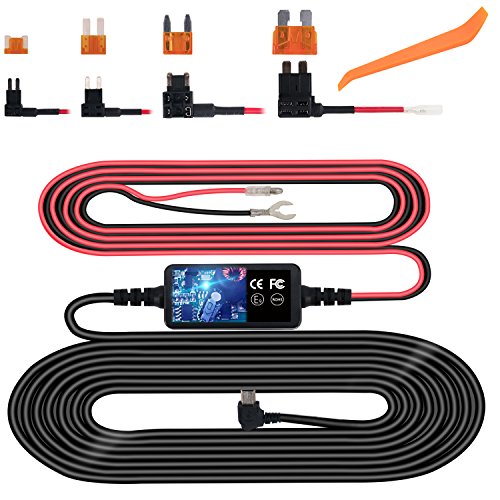
Dash Cam Hardwire Kit with USB C
A reliable pick for Dash Cam Hardwire Kit, selected based on this article's guidance.

Dash Cam Hardwire Kit USB C, 12V-30V
A reliable pick for Dash Cam Hardwire Kit USB, selected based on this article's guidance.
Current landscape or user debate of can you hardwire dash cam into a car with road sign recognition

Market Trends and User Priorities
The current market landscape is heavily influenced by the rise of smart, app-connected dash cams that require constant power. Users are increasingly concerned with how these power-hungry devices interact with modern, digitized vehicle interiors. The debate surrounding can you hardwire dash cam into a car with road sign recognition often pits those who prefer professional, dealership-level installations against the DIY community that prioritizes cost and accessibility.
- Most users now prioritize dash cams that offer specialized low-voltage protection to prevent modern vehicle battery drain.
- Longevity expectations have shifted; users now expect a 5-to-8-year operational lifespan from hardwired setups without needing system resets.
- Automotive electronics shops are offering more "ADAS-safe" kits that are pre-tested to avoid interfering with factory safety camera arrays.
- Sustainability-minded drivers are choosing cables with high-grade shielding to minimize overall electrical interference with the vehicle's smart sensors.
| User Segment | Preferred Configuration | Expected Outcome |
|---|---|---|
| Professional / Heavy Use | High-output, premium build with maximum control parameters | Long-term durability with consistent results |
| Standard / Daily Use | Balanced features, automated presets for ease of operation | Reliable everyday performance with minimal oversight |
The ongoing debate focuses on the balance between user control and automated convenience. Enthusiasts argue that manual control over fuse selection provides the best protection for RSR systems, while mainstream users prefer plug-and-play solutions that minimize the risk of damaging expensive onboard safety hardware. Ultimately, both sides agree that thorough research of the vehicle's specific wiring diagram is the most effective way to avoid potential conflicts with road sign recognition technology.
Operational challenges and limitations of can you hardwire dash cam into a car with road sign recognition

Common Barriers to Success
Implementing can you hardwire dash cam into a car with road sign recognition is not without its challenges. Modern cars are essentially rolling computer networks, and even minor voltage fluctuations caused by a poorly grounded dash cam can trigger false error codes in the RSR module. Maintenance of the camera lens, physical cable routing, and the complexity of modern fuse boxes remain the most significant hurdles for the average user.
Future outlook and scenario projection for can you hardwire dash cam into a car with road sign recognition

Emerging Tech and Innovations
Looking ahead, we expect the question of can you hardwire dash cam into a car with road sign recognition to become simpler as manufacturers move toward standardized, dashboard-integrated auxiliary power ports specifically for dash cams. Future AI-driven cameras will likely be able to communicate directly with the vehicle's onboard computers, eliminating the need for invasive hardwiring and providing real-time data sharing that enhances, rather than competes with, road sign recognition sensors. The shift toward solid-state power systems will also drastically reduce the current challenges associated with fuse-tapping.
| Timeline | Expected Breakthrough | Impact on User Experience |
|---|---|---|
| Next 2-3 Years | Smart sensor integration and real-time feedback loops | Elimination of user error and automatic calibration |
| Next 5-10 Years | Biodegradable/Self-healing materials and high-efficiency coils | Drastically reduced maintenance and lifetime durability |
Practical applications of can you hardwire dash cam into a car with road sign recognition in daily routines
Incorporating can you hardwire dash cam into a car with road sign recognition into your daily life should be treated as a precision modification. Whether you are a daily commuter or a professional driver, the strategy remains the same: ensure isolation from ADAS circuits, use high-quality hardware, and regularly verify that your camera is not impeding the functionality of your sign recognition system.
Use Case 1: Individual and Residential Use
For the average commuter, a standard dash cam with a basic parking mode kit is sufficient. When installing, focus on "hidden-wiring" techniques that route cables along the passenger side of the windshield. This creates a clean look and ensures that the driver-side road sign recognition sensors remain entirely unobstructed, providing peace of mind during your daily school or work commute.
Use Case 2: Professional and Commercial Use
Commercial drivers often require multi-channel systems. In these scenarios, use heavy-duty hardwire kits that provide dual-voltage protection. By documenting your wiring and ensuring that all power cables are routed away from the vehicle's main sensor harness, you maintain the safety features required by commercial insurance policies while ensuring 24/7 security for the vehicle and its cargo.
Use Case 3: Advanced Optimization Solutions
For tech-savvy users, pairing a hardwired dash cam with an external smart battery pack is the gold standard. This setup allows the camera to record without drawing power from the main car battery, eliminating risks to the RSR and other vehicle systems. This provides the highest level of security and performance consistency.
Expert perspectives on can you hardwire dash cam into a car with road sign recognition
Industry experts emphasize that successfully implementing can you hardwire dash cam into a car with road sign recognition relies on a systematic, evidence-based approach. The consensus is clear: never compromise the integrity of factory safety systems for the sake of convenience. By planning the installation carefully and utilizing the correct tools, you can enjoy the benefits of advanced security while keeping your vehicle’s intelligent features fully operational.
Frequently Asked Questions
Will hardwiring a dash cam interfere with my car’s road sign recognition system?
No, a properly installed hardwire kit draws power from the fuse box without interfering with the data or electrical signals used by road sign recognition cameras.
Does mounting a dash cam near the windshield sensors affect sign recognition accuracy?
You must avoid mounting the dash cam in front of the forward-facing camera housing to prevent physical obstruction of the vehicle's vision sensors.
Can the dash cam's power draw cause faults in the car's advanced driver-assistance systems (ADAS)?
Hardwiring to an unused, low-amperage switched fuse prevents electrical strain on sensitive circuits that control ADAS features like sign recognition.
Do I need to bypass the car's existing cameras to install a dash cam?
Absolutely not; your dash cam should be installed as a completely independent system that does not tap into or share data with the vehicle's factory camera architecture.
Is it safe to use a 'fuse tap' for a hardwire kit in a vehicle with smart safety features?
It is safe, provided you choose a fuse slot that powers non-critical electronics rather than tapping into the specific circuit powering the sign recognition module.
Could EMI from a dash cam affect the sign recognition software?
High-quality dash cams are shielded against electromagnetic interference, ensuring they do not disrupt the signal processing of your car’s sign recognition system.
Where is the best place to route power cables to avoid interfering with factory sensors?
Route cables along the headliner and down the A-pillar away from the central windshield sensor cluster to ensure no wire cross-talk or visual blocking occurs.
Will a hardwired dash cam trigger a check engine light or sensor error?
As long as you avoid splicing into the CAN bus or critical ADAS power lines, a simple hardwire installation will not trigger any diagnostic error codes.
Key Takeaways
- 1. can you hardwire dash cam into a car with road sign recognition provides a focused, high-performance approach to addressing your specific needs in this category.
- 2. Reliability and consistency are the two most critical factors when integrating can you hardwire dash cam into a car with road sign recognition into your routine.
- 3. A well-structured workflow or application method significantly enhances the long-term effectiveness of can you hardwire dash cam into a car with road sign recognition.
- 4. Choosing solutions like can you hardwire dash cam into a car with road sign recognition that are developed based on clear, transparent standards ensures better suitability for different use cases.
- 5. For optimal results, follow the recommended guidelines closely during the initial implementation phase of can you hardwire dash cam into a car with road sign recognition.
- 6. Continuous monitoring of your progress allows for minor adjustments that lead to superior, sustainable outcomes with can you hardwire dash cam into a car with road sign recognition.
- 7. can you hardwire dash cam into a car with road sign recognition works most effectively when paired with a foundational understanding of the core principles involved.
Conclusion
Mastering can you hardwire dash cam into a car with road sign recognition is a transformative step for any vehicle owner looking to enhance their security without sacrificing their car's sophisticated safety technology. By following a structured approach—from selecting the right circuits to carefully routing cables away from delicate optical sensors—you can create a reliable, long-lasting surveillance system that works in perfect harmony with your vehicle's existing safety features.
As you proceed with your installation, remember that safety and consistency are paramount. Use the following next steps to guide your setup and ensure your vehicle remains optimized for both security and daily performance.
Mastering the application of can you hardwire dash cam into a car with road sign recognition ensures that your daily workflow remains highly efficient, consistent, and built to last.