Selecting a non gps dashcam offers a streamlined, privacy-conscious way to record your road trips, and these 10 tips will help you master your device. By focusing on essential recording features rather than location data, you can maintain a cleaner, more focused security setup.
Understanding the nuances of these cameras helps you avoid common pitfalls. Following this guide ensures your hardware performs reliably when you need it most, whether you are daily commuting or parked for the night.
Tip 1: Optimize Mounting for non gps dashcam Clarity

Consistent View Alignment
Position your camera behind the rearview mirror to ensure the non gps dashcam captures a clear, centered view of the road without obstructing your sightline. Keep the lens as close to the glass as possible to minimize windshield glare.
Secure Placement
Ensure the mount is firmly attached to the glass using high-quality adhesive or suction cups. Check the stability periodically, especially during temperature fluctuations, to prevent footage vibration.
Tip 2: Choosing Power Sources

Understanding Cable Routing
Choosing the right power method is vital for a clean installation. For a deep dive into how to effectively manage your hardware's energy needs, review How are dash cams powered? The complete guide to installation methods to ensure your setup remains reliable.
Hardwiring vs Cigarette Lighter
Using a hardwire kit allows for a hidden aesthetic and usually enables advanced parking modes. Ensure your installation matches your vehicle's voltage requirements.
Tip 3: Memory Card Management

Routine Formatting
Non gps dashcam devices write and overwrite data constantly, which can fragment memory cards. Format your SD card at least once a month to prevent data corruption and recording failures.
Selecting High-Endurance Media
Always use High-Endurance microSD cards specifically designed for surveillance cameras. Standard cards often fail prematurely under the constant write cycles required by dash cameras.
Tip: High-endurance cards are specifically optimized to handle continuous recording, which significantly extends the life of your storage medium compared to consumer-grade cards.
Tip 4: Parking Mode Basics

Security While Stationary
Many users want to monitor their vehicle while away. If you are curious about how to maintain 24/7 coverage, read Do dash cams record when the car is off? Everything You Need to Know for 24/7 Security to understand the necessary power requirements.
Motion Detection Calibration
Adjust the sensitivity settings for motion detection to avoid false triggers caused by passing shadows or swaying trees. This keeps your storage space reserved for real events.
Recommended Equipment & Solution

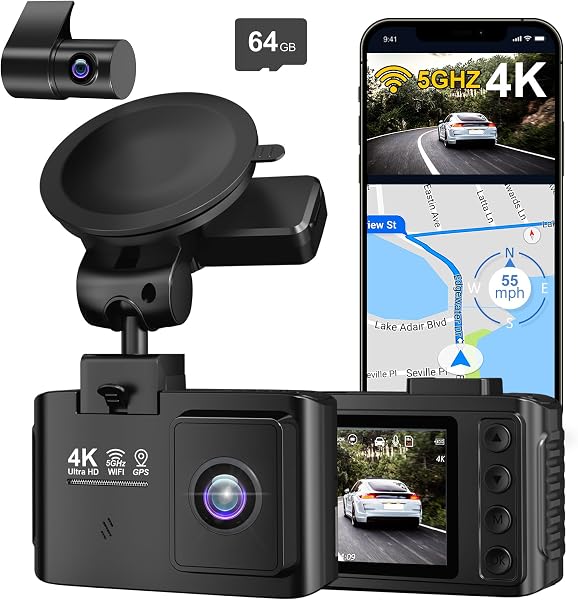
4K Dash Cam Front and Rear, Full
A reliable pick for 4K Dash Cam Front, selected based on this article's guidance.

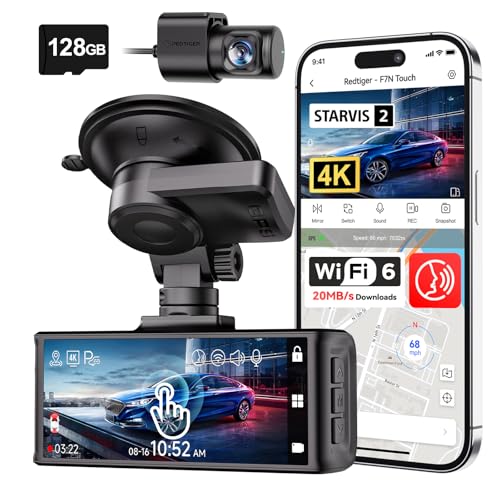
Terunsoul 4K+4K Dash Cam, Free 128GB Card
A reliable pick for Terunsoul 4K+4K Dash Cam, Free, selected based on this article's guidance.
Tip 5: Lens Maintenance
Cleaning Techniques
A dusty lens results in blurry footage and excessive glare at night. Clean the lens surface regularly with a microfiber cloth and a drop of lens cleaning solution to ensure your non gps dashcam stays sharp.
Filtering Glare
Use a circular polarizing lens (CPL) filter if your model supports it. This is highly effective at reducing dashboard reflections that can obscure details during bright daylight driving.
Tip 6: Resolving Recording Glitches
Firmware Updates
Even basic devices require software maintenance. Periodically check the manufacturer's website for firmware updates to fix known bugs and improve system stability.
Comparison of Recording Modes
| Mode | Best Use | Storage Impact |
|---|---|---|
| Loop Recording | Daily Commute | Low |
| Emergency Lock | Accidents | Medium |
| Time-Lapse | Long Parking | Minimal |
Warning: Failing to update your firmware can lead to unexpected shutdowns or missed clips during critical moments, rendering the device ineffective.
Tip 7: Streamlined Setup Workflow
Installation Steps
Tip 8: Privacy and Storage
Effective Data Management
Because you are managing files manually, establish a routine to transfer important clips to a secure computer or cloud folder. Learn more about professional installation costs at How much installing a dash camera costs: A Complete Pricing Guide to determine if professional cable management fits your budget.
Managing Card Capacity
If your card is full and loops are not overwriting, verify that the 'G-sensor' sensitivity isn't locking too many files as protected clips.
Tip 9: Audio Capture Settings
Privacy Considerations
You can toggle audio recording on or off based on your local laws and personal preference. Disabling audio can provide additional privacy for your daily conversations.
Background Noise
If you prefer recording audio, ensure the microphone is not covered by internal trim pieces, which can muffle the sound and cause internal vibration distortion.
Success: Properly configuring your microphone and G-sensor sensitivity ensures that only relevant, high-quality audio and video are captured and preserved.
Tip 10: Performance Testing
Regular Spot Checks
Every few weeks, play back a sample clip to ensure the camera is recording at the correct resolution and that the date/time stamp is accurate.
Emergency Scenario Simulation
Understand how to quickly extract the memory card or trigger a manual 'Save' event so you aren't fumbling with the device during a high-stress situation.
Common Mistakes to Avoid
Frequently Asked Questions
Are non gps dashcam units less reliable?
A: No, they are often more reliable due to having fewer components, which reduces the points of failure inside the device.
Do I need specialized software?
A: Generally, no. Most non gps dashcam models save files in standard formats like MP4, which play on any media player.
How long should clips be?
A: Most users prefer 3-minute or 5-minute segments, as these are easier to manage and transfer than one continuous file.
Can I install it myself?
A: Yes, many dash cameras are designed for plug-and-play installation, though hardwiring may require basic electrical knowledge.
How do I handle date stamps?
A: Since there is no GPS, you must manually set the date and time in the settings menu upon the first installation.
Do they work in extreme cold?
A: Most dash cameras are built to handle a wide range of temperatures, but performance may vary depending on the battery type.
Are they legal everywhere?
A: While generally legal, always check local windshield obstruction laws to ensure your mounting position is compliant.
What if the screen stays on?
A: Most units have an 'Auto-LCD Off' setting to prevent distraction while driving at night.
Key Takeaways
- 1 Position your camera behind the mirror for an optimal, legal view.
- 2 Use High-Endurance SD cards to ensure long-term recording stability.
- 3 Format your memory card monthly to prevent recording errors.
- 4 Hardwiring is the cleanest way to power your camera for parking mode.
- 5 Keep the lens clean to ensure high-definition clarity for incident evidence.
- 6 Regularly check your firmware to keep the device running smoothly.
- 7 Practice manual clip saving so you are ready during an actual emergency.
Conclusion
Choosing a non gps dashcam is a practical decision for drivers who prioritize simplicity and privacy. By following the tips outlined above—from proper maintenance to strategic installation—you ensure your device acts as a reliable witness on the road.
Consistent care is the secret to a camera that works every time. Remember to check your setup regularly to guarantee you capture the evidence you need. For more setup advice, check out Baby Car Camera Mounting Tips: Secure Setup Guide 2026 for broader mounting insights.
Drive safely and keep your security simple by staying consistent with these core maintenance habits.