Applying Mangoal Dash Cams to a vehicle provides a robust layer of security, as demonstrated in this illustrative scenario walkthrough. We examine how a typical driver navigates the journey from setup to consistent, reliable footage management.
Modern driving environments often present unpredictable situations, leading many vehicle owners to seek better monitoring solutions. This scenario highlights how implementing high-quality dash cam systems can effectively address concerns regarding vehicle safety and incident accountability.
By following this case study, you will learn about the strategic installation, the importance of consistent maintenance, and the operational advantages of choosing reliable equipment. Through this analysis, you gain insights into how to best utilize your own dash cam setup.
- Understanding the initial security gaps in a standard vehicle setup.
- Developing a systematic approach to camera installation and configuration.
- Observing the qualitative shifts in vehicle security and monitoring efficiency.
- Identifying critical maintenance tasks for long-term device performance.
- Applying these lessons to your specific driving requirements.
The Starting Point: A Common Mangoal Dash Cams Scenario

The Core Challenge
In our representative scenario, the vehicle owner faces uncertainty regarding vehicle security while parked in public areas and difficulty documenting events during daily commutes. Without a dedicated camera system, the driver relies solely on memory, which proves inadequate for insurance or verification needs.
Why the Default Approach Often Falls Short
Many drivers attempt to manage vehicle safety without proper hardware, often finding that temporary or poorly integrated solutions fail when needed most. For guidance on foundational improvements, refer to What is a car hardwire kit and do you really need one for your dash cam? to understand the power requirements for consistent coverage.
Always verify your vehicle’s electrical compatibility before attempting a permanent installation to avoid battery drain or installation errors.
The Approach & Method

Phase 1: Strategic Planning and Hardware Selection
The first phase involves selecting a system that balances 4K clarity with reliable dual-channel coverage. Choosing high-performance hardware, such as those discussed in Best Dash Cams 2026 Amazon: Secure Your Vehicle With Precision, creates the foundation for the entire security strategy.
Phase 2: Execution and Configuration
System Installation: Mounting the front and rear cameras to ensure maximum field of view without obstructing driver vision.
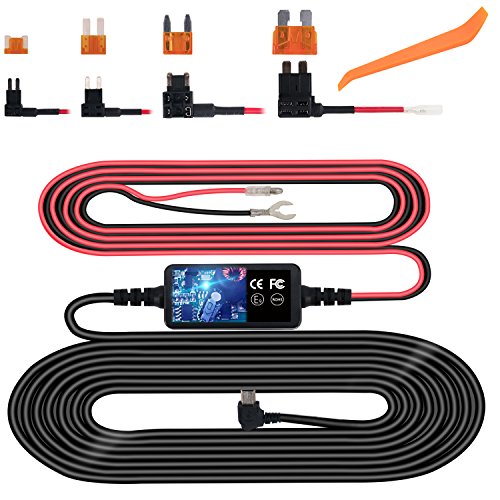
Hardwiring Integration: Utilizing a hardwire kit to ensure the camera remains active in parking mode, providing 24/7 surveillance.
Configuration and Testing: Setting up sensitivity for g-sensors and motion detection to filter out non-essential triggers.
Recommended Equipment & Solution

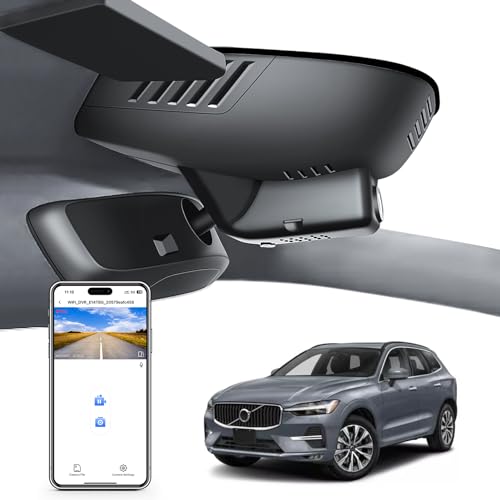
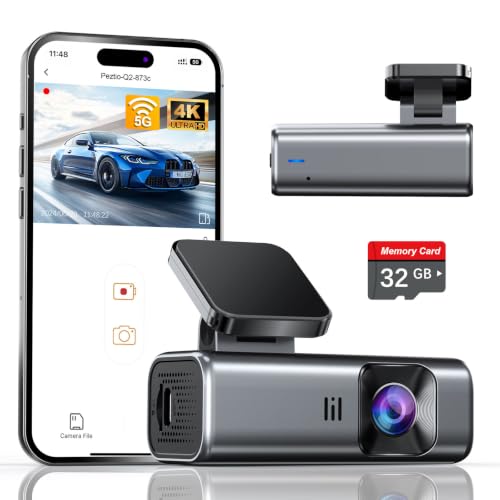
Mangoal 4K Dash Cam for Ford F150
A reliable pick for Mangoal 4K Dash Cam, selected based on this article's guidance.
Results & Outcome Analysis

Qualitative Improvements in Surveillance
By moving to a professional-grade setup, the user experiences a significant shift in peace of mind. The ability to retrieve clear, high-definition footage allows for objective review of any incident, as detailed in How to Transfer Dash Cam Footage: A Complete Guide for Every Device.
Comparison of Operational States
| Metric | Before Implementation | After Implementation |
|---|---|---|
| Incident Coverage | Non-existent/Inconsistent | Full-time, dual-view recording |
| Evidence Quality | Memory-based (Unreliable) | High-definition, timestamped footage |
| Maintenance | Frequent manual troubleshooting | Automated, set-and-forget operation |
Users who maintain their systems consistently often report a significant reduction in stress during driving and parking, thanks to the inherent accountability provided by high-quality recordings.
Lessons Learned
Key Takeaways for Success
The primary lesson from this scenario is that hardware choice is only half the battle; the other half is maintenance. To address common technical hurdles, see 7 Common Problems with Best 4K & Dual Dash Cams.
Lesson: Always verify file formats before an emergency.
Pitfall: Neglecting SD card health can lead to data loss exactly when needed.
Lesson: Regular firmware updates ensure compatibility with newer devices.
Navigating Common Pitfalls
It is crucial to avoid "set-it-and-forget-it" thinking. Even the best systems require periodic checks to ensure the memory card is writing data correctly and the lenses remain clear of debris.
Does This Apply to Your Situation?

When This Scenario Matches Yours
If you commute daily, park in public lots, or desire documented evidence for your vehicle insurance, this scenario provides a direct template for your needs. The steps outlined are universal for most modern passenger vehicles.
When Your Situation Differs
Drivers of commercial fleets or heavy-duty vehicles may require different power configurations or multi-channel setups. While the core principles remain, always consult your vehicle’s specific electrical manual.
Please note that individual results vary based on vehicle model, environmental conditions, and installation quality; this is an illustrative pattern and not a guarantee of specific outcomes.
Frequently Asked Questions
How often should I check my dash cam?
A: It is recommended to verify that your system is recording correctly at least once a month. This ensures that memory cards are functioning and the device hasn't shifted position.
Does a dash cam drain my battery?
A: If hardwired correctly with a voltage cutoff device, it will not drain your battery. The camera will stop recording if the vehicle voltage drops below a certain threshold.
Can I install a dual camera system myself?
A: Yes, many users perform self-installation using trim removal tools and hardwire kits. However, if you are uncomfortable with vehicle wiring, professional installation is always a safe alternative.
Is 4K resolution necessary for a dash cam?
A: 4K resolution is beneficial for capturing license plate details and smaller objects at a distance. It provides a significant advantage in forensic clarity compared to lower-resolution cameras.
What should I do if my camera stops recording?
A: Common issues include corrupted SD cards or loose power connections. Check for these simple fixes first, as often they can be resolved without replacing the camera.
How do I ensure my footage is legally admissible?
A: Keep the footage timestamped and maintain original files. Avoid editing the clips before providing them to insurance or legal professionals to ensure the integrity of the evidence.
Can weather affect my dash cam?
A: Extreme heat can cause devices to overheat or batteries to expand. Ensure your camera is rated for high-temperature environments to avoid performance degradation.
What is the best way to back up footage?
A: Regularly copy important clips to a computer or cloud storage. Relying solely on the SD card loop recording can lead to accidental overwriting of vital evidence.
Key Takeaways
- 1 Prioritize high-resolution hardware for maximum forensic utility.
- 2 Use a hardwire kit to ensure constant 24/7 parking surveillance.
- 3 Regular maintenance of your SD card is essential for system longevity.
- 4 Strategic camera placement significantly impacts the quality of your evidence.
- 5 Always test your system configuration immediately after installation.
- 6 Keep original, unedited footage to ensure it remains valid for insurance needs.
- 7 Consistent firmware updates protect your camera against software bugs.
Conclusion
Adopting a proactive approach to vehicle monitoring is a significant step toward enhanced security and accountability. By focusing on quality hardware and disciplined maintenance, you turn a passive recording tool into a reliable asset for every mile driven.
Following this illustrative pattern allows you to avoid common pitfalls and optimize your setup for real-world reliability. Whether for daily commuting or securing a parked vehicle, the benefits of a well-implemented dash cam system are clear.
Take control of your vehicle’s security today by implementing a system that works as hard as you do on the road.