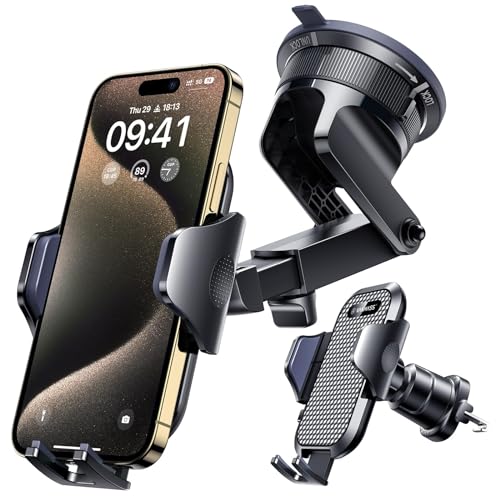
Learning how to setup & use your phone as a dashcam: best apps, mounts & accessories reviewed is the most cost-effective way to add critical video evidence to your vehicle in 2026.
This guide is designed for car owners and commuters who want to repurpose existing technology rather than investing in expensive hardware. We assume you are comfortable with basic smartphone operation and mounting hardware, though no deep technical expertise is required.
By the end of this guide, you will be able to configure your smartphone as a reliable, loop-recording dashboard camera that provides peace of mind on the road.
- Essential hardware requirements for stable recording.
- Recommended software for continuous loop storage.
- Mounting strategies for optimal, wide-angle views.
- Power management for long-duration driving.
- Safety considerations for avoiding driver distraction.
Overview & Prerequisites

What You'll Need
To begin, you will need a smartphone with a high-quality camera, a stable car mount that allows for a clear view of the road, a long USB-C or Lightning charging cable, and a dashcam app that supports background recording. We often suggest researching How to Setup & Use Use Your Phone as a Dashcam: Best Apps, Mounts & Accessories Reviewed vs Top Competitors: Which is Best? to see if your phone's capabilities match your specific driving needs.
Who This Guide Is For
This tutorial is intended for drivers looking to maximize their current device utility. Whether you are a daily commuter or someone preparing for a road trip, using your phone provides a secondary layer of protection without the footprint of a permanent installation.
Always ensure your device has enough storage space or is configured to cloud-sync, as high-definition video files consume significant memory quickly.
Core Concepts & Fundamentals

The Mechanics of Loop Recording
Unlike standard video recording, a dashcam functions through "loop recording." This means the app constantly saves footage to a buffer; when the storage is full, it deletes the oldest, non-protected file to make room for new footage. Understanding this cycle is vital to ensuring you don't lose important clips during a long drive.
Field of View and Stability
A camera's effectiveness is dictated by its field of view (FOV) and mounting stability. Phones are optimized for human interaction, not road surveillance, so placing the device high on the windshield is critical to capture as much of the road as possible. Compare this approach to professional setups by reviewing our guide on Toyota Dashcam Review: Best Integrated Options for 2026.
| Feature | Correct Approach | Incorrect Approach |
|---|---|---|
| Mounting | High, centered windshield | Dashboard, obstructed view |
| Power | Constant 12V/USB power | Running on internal battery |
| Recording | Loop-based, non-stop | Manual "Record" button |
Step-by-Step Execution Guide
Preparation Phase
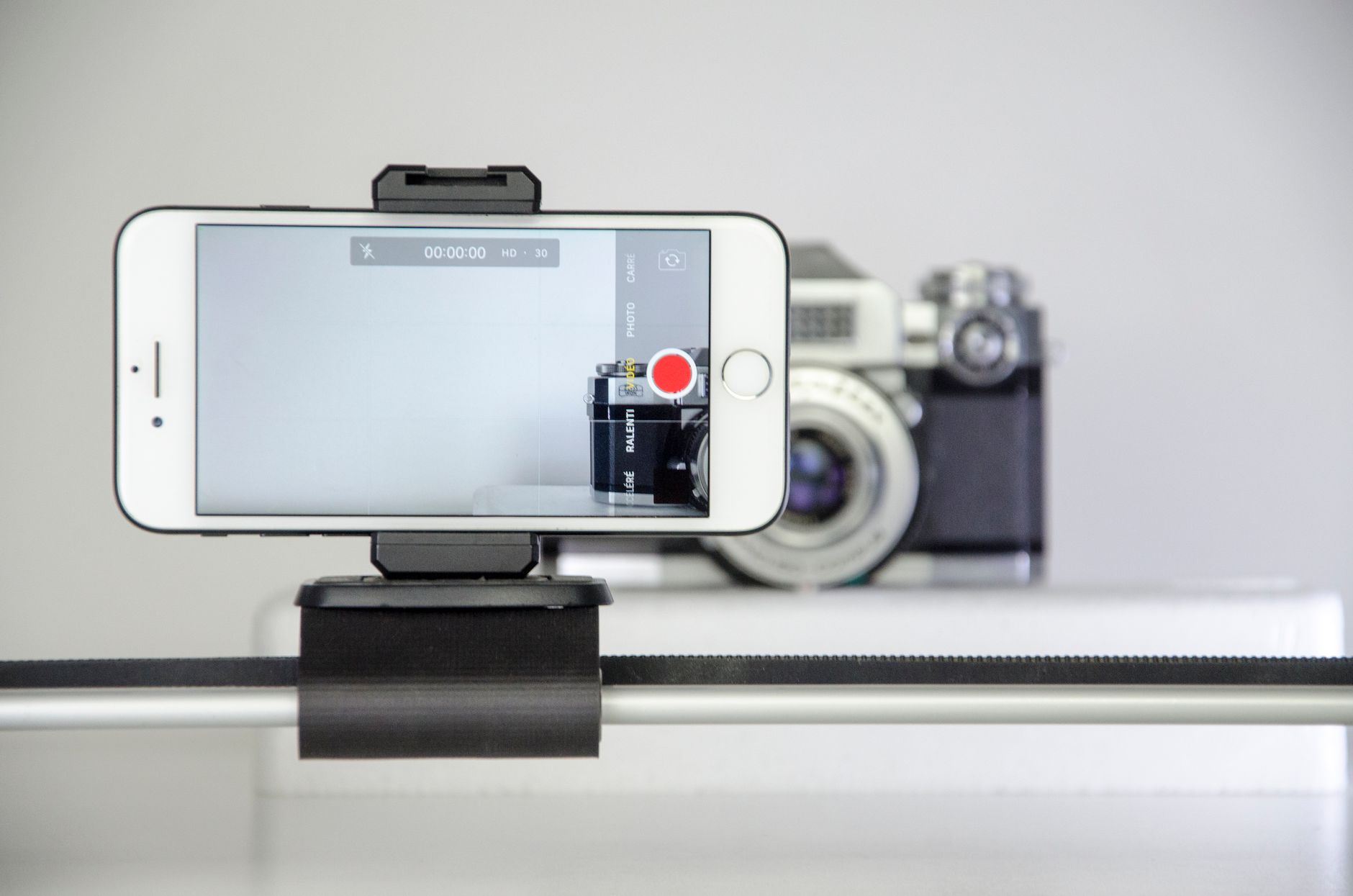
Clear your phone of non-essential apps to prevent overheating and ensure sufficient storage. Install your chosen dashcam software and grant all necessary permissions, including camera access, location services for speed tagging, and file storage access.
Execution Phase
Recommended Equipment & Solution

How to Use Samsung Galaxy A17 5G
A reliable pick for How to Use Samsung Galaxy, selected based on this article's guidance.

Samsung Galaxy A17 5g User Guide
A reliable pick for Samsung Galaxy A17 5g User, selected based on this article's guidance.
Best Practices & Pro Tips

Optimizing for Safety
Never interact with the phone while the vehicle is in motion. Set your recordings to start automatically upon launching the application or by detecting movement if the app supports it. This minimizes driver distraction.
Data Management
Periodically format your device storage to keep the file system clean. If you are recording long road trips, consider enabling cloud backup features if the app allows it, or offload footage to a laptop daily to maintain performance levels.
Troubleshooting & Common Pitfalls
Overheating and Performance
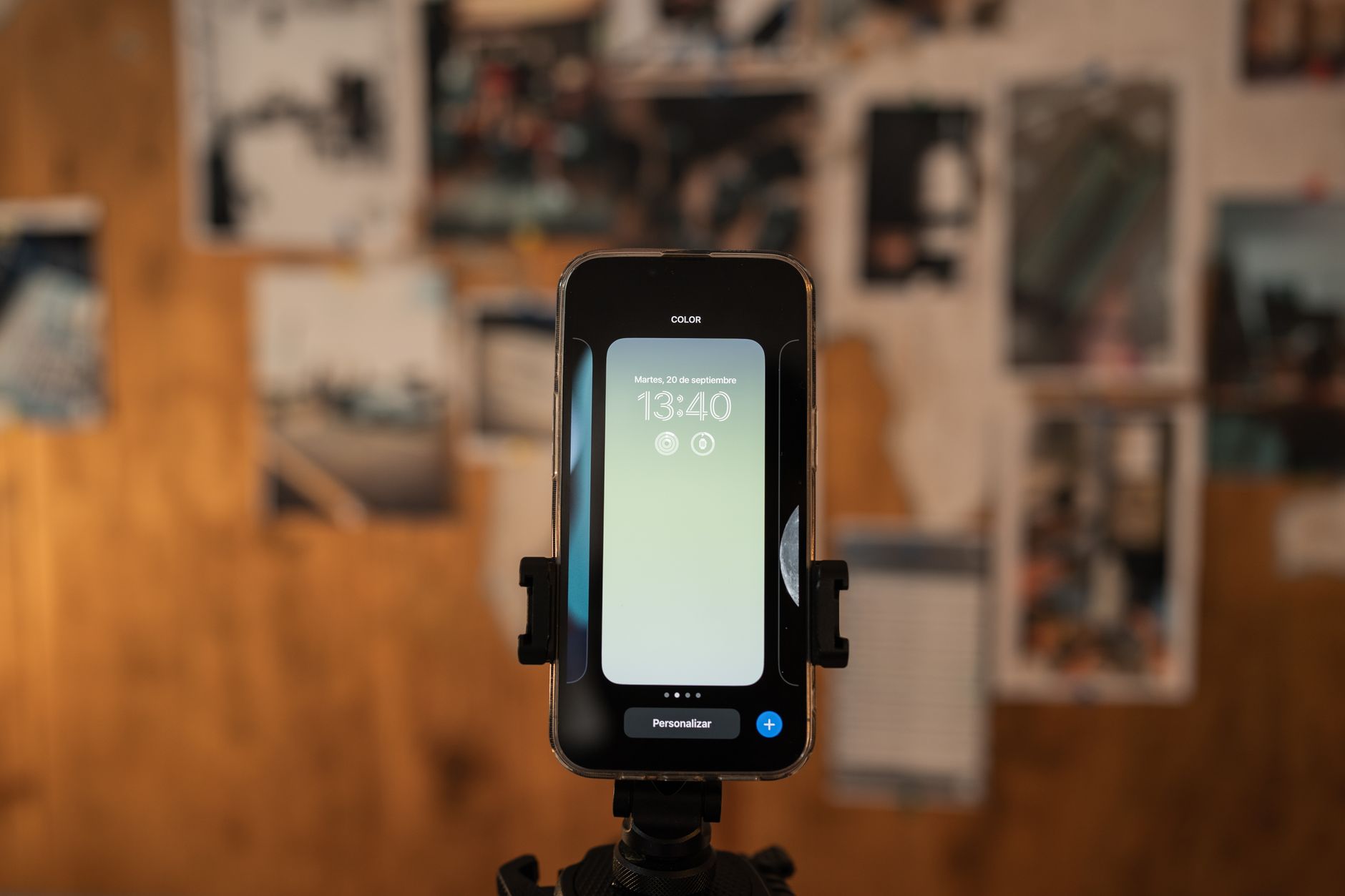
Smartphones are not designed to stay on for hours while mounted on a sun-drenched windshield. If your phone shuts down, it is likely due to thermal limits. Adjust your vent placement to blow cool air behind the phone mount to mitigate heat build-up.
Connectivity and Power Issues
If your recordings are interrupted, check your power delivery. Many generic car adapters cannot output enough current to charge the phone while it is running high-intensity video processes. Ensure you are using a certified fast-charging adapter.
For more advanced setups, consult Best 4K & Dual Dash Cams to decide if a dedicated unit is ultimately better for your needs.
Frequently Asked Questions
Does using a phone as a dashcam drain the battery significantly?
A: Yes, the constant demand of camera processing and screen usage will deplete the battery quickly. Always keep it plugged into a dedicated power source while in use.
Can I record while using navigation?
A: Most dashcam apps support background mode, allowing you to run navigation apps simultaneously. However, this increases heat, so monitor your device closely.
Is phone footage legal evidence?
A: In many jurisdictions, dashcam footage is admissible. Always check local laws regarding the recording of audio and video in public spaces.
Will my phone overheat in the summer?
A: Direct sunlight and high processing loads are a common recipe for overheating. Using a vent-mount to circulate air behind the device is highly recommended.
How much storage do I need?
A: At 1080p, you can expect to use roughly 1-2GB per hour. Ensure you have at least 32GB of free space for typical commutes.
Are all phone mounts safe for driving?
A: No, avoid mounts that obstruct your vision or interfere with airbags. Always choose a mount that allows for a low-profile installation.
Do I need a special app?
A: Yes, you need an app that supports loop recording. Using a standard camera app will fill your storage and fail to record over old files automatically.
Is it better to buy a dedicated dashcam?
A: Phones are excellent temporary solutions, but dedicated dashcams offer better heat resistance, wide-angle lenses, and set-and-forget reliability.
Key Takeaways
- 1 Always use a dedicated dashcam app to enable automatic loop recording.
- 2 Ensure your device is connected to a high-amperage charger for continuous power.
- 3 Position the phone mount high on the windshield to capture the widest possible view.
- 4 Keep the lens clean and free of smudges to maintain video quality.
- 5 Monitor device heat levels, especially in warmer climates or during long summer drives.
- 6 Use high-quality, short charging cables to maintain consistent voltage.
- 7 Periodically offload your video data to keep your phone storage optimized.
Conclusion
Learning how to setup & use your phone as a dashcam: best apps, mounts & accessories reviewed is an excellent way to dip your toes into vehicular safety technology. While it requires more management than a hardwired unit, it provides immediate value for any driver.
By following these steps, you are well-prepared to capture critical footage safely and efficiently. Remember to prioritize heat management and secure mounting for the best results.
Staying proactive with your road safety equipment ensures you are always prepared for the unexpected.
📌 Pillar Resource: Read our complete main Use Your Phone as a Dashcam: Best Apps, Mounts & Accessories Reviewed guide for in-depth insights.