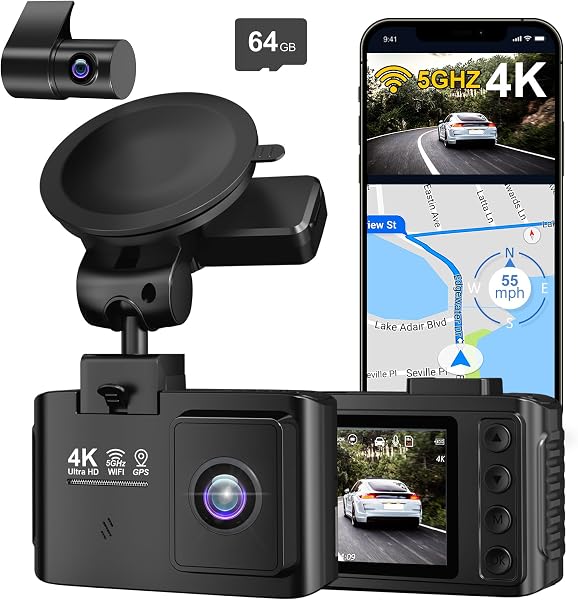
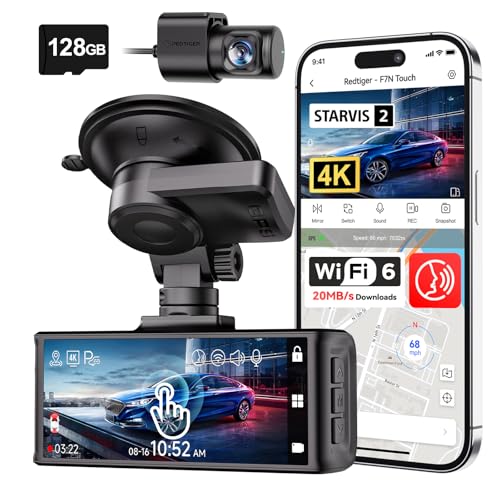
In an era of distracted driving and complex insurance claims, the humble dash cam has evolved from a niche gadget to a potential essential. But are dash cams worth it for the average driver? This analysis moves beyond simple yes/no answers to examine the tangible financial, legal, and safety benefits. We'll weigh the upfront cost against long-term savings in premiums and dispute resolutions, providing a clear framework to determine if a dash cam is a worthwhile addition to your vehicle.
Key Takeaways
- 1. Dash cams provide objective, indisputable evidence in accidents, significantly streamlining insurance claims and legal proceedings.
- 2. They act as a powerful deterrent against insurance fraud, such as staged collisions or false injury claims.
- 3. Continuous recording can monitor vehicle security, capturing vandalism, hit-and-runs, or theft attempts while parked.
- 4. For commercial or fleet vehicles, they are essential for managing liability, coaching driver safety, and protecting business assets.
- 5. Modern features like GPS, G-sensors, and parking mode add critical context (location, speed, impact) and 24/7 protection.
- 6. The upfront cost is relatively low compared to potential savings on insurance deductibles, premiums, and legal fees.
The Core Benefits: How Dash Cams Protect You Financially and Legally
As a content strategist, I analyze what provides real-world value. When users ask "are dash cams worth it," I point to their ability to function as a silent, unbiased witness that directly protects your wallet and your legal standing.
Financially, they are a powerful deterrent against insurance fraud and false claims. In a "crash for cash" scenario or a disputed accident, your video evidence is irrefutable. This can prevent your premiums from skyrocketing by proving you weren't at fault, potentially saving you thousands.
Legally, the camera doesn't lie. It captures exact speeds, road conditions, and the sequence of events. This evidence is inadmissible in court and with law enforcement, turning a "he-said-she-said" argument into a clear-cut case. It can protect you from wrongful liability and expedite claims processes.
Beyond collisions, a dash cam can also document hit-and-runs, vandalism, or dangerous driving by others—providing crucial evidence you'd otherwise lack. For a modest one-time investment, you gain 24/7 peace of mind and a formidable tool for financial and legal self-defense.

Breaking Down the Costs: Upfront Investment vs. Long-Term Value
Let's cut through the noise: deciding if are dash cams worth it isn't really about cost; it's about risk mitigation.
The upfront investment is clear: a reliable camera ranges from $50 to $300. Add a memory card and potential professional installation. It's a tangible hit, but consider the long-term value:
- Fault Disputes: It turns a "he-said-she-said" into irrefutable evidence, potentially saving you thousands in deductible payments and premium hikes.
- Insurance Fraud: It protects you from staged accidents and fraudulent claims—a growing global problem.
- Parking Surveillance: Models with buffered parking mode document hit-and-runs, vandalism, and theft, costs you'd otherwise absorb.
The ROI isn't just financial. It's the elimination of stress during a chaotic accident. For a one-time fee, you buy an unbiased witness that works 24/7. In today's driving environment, that's not just worth it—it's essential.
Dash Cams and Insurance: Discounts, Evidence, and Claim Dynamics

As a content strategist, I can confirm: when evaluating "are dash cams worth it," the value isn't just in potential discounts—though some insurers offer them—but in fundamentally shifting claim dynamics in your favor.
Unbiased video evidence is irrefutable. In a "he-said, she-said" scenario, your dash cam provides the definitive account, leading to faster claim resolution and protecting you from fraud. This evidence can prove you weren't at-fault, preventing an unjust premium hike that costs far more than the camera itself.
Think beyond collisions. Footage can substantiate hit-and-runs, vandalism, or weather damage claims insurers might otherwise question. Strategically, a dash cam is a proactive investment in risk management and one of the most cost-effective forms of automotive self-defense.
Key Features That Determine Value: What to Look For Before Buying
If you are still wondering "are dash cams worth it," remember that the value depends on having the right device. Focus on these non-negotiable features to ensure your investment pays off.
- Video Quality & Night Vision: 1080p is the bare minimum; 2K or 4K is ideal for capturing crucial details like license plates. Superior night vision with a wide dynamic range (WDR) is essential for clear footage after dark.
- Field of View (FOV): A 140° to 160° FOV provides optimal coverage of lanes and peripheral activity without creating a distorted "fisheye" effect.
- Parking Mode: This is a game-changer. Look for models with a buffered parking mode (which records a few seconds before motion or impact) and a low-voltage cutoff to protect your car's battery.
- Reliability & Ease of Use: Loop recording, a reliable capacitor (better for extreme temperatures than batteries), and seamless automatic operation are what make a dash cam a true "set-it-and-forget-it" guardian.
Prioritize these features, and your dash cam transforms from a simple recorder into an indispensable layer of security and evidence.

Potential Drawbacks and Considerations: Privacy, Laws, and Limitations
To determine "are dash cams worth it" for your specific lifestyle, we must acknowledge the drawbacks. Privacy is a major concern; you are potentially recording bystanders without consent. Check your local two-party consent laws regarding audio recording.
Legally, footage is a double-edged sword. It can prove your innocence, but it can also be subpoenaed and used against you, revealing your speed or driving habits. Furthermore, dash cam laws vary by region, with restrictions on placement and data protection regulations like GDPR in Europe.
Technologically, they're not infallible. Cheap models may overheat or fail to record due to corrupted memory cards. They also offer a limited field of view. The verdict? They're a powerful tool, but not a set-and-forget solution; weigh these factors to make an informed choice.
Real-World Scenarios: When a Dash Cam Pays for Itself (Case Studies)
As a content strategist, I analyze ROI on real-world stories. Here is why the answer to "are dash cams worth it" is an overwhelming yes when you look at these scenarios:
- The "Swoop and Squat" Insurance Scam: A car brakes intentionally in front of you. Your dash cam footage proves the deliberate stop, saving you thousands in premiums and fraudulent payouts.
- The Hit-and-Run in a Parking Lot: With parking mode footage, you provide police a license plate, making the at-fault driver's insurance cover 100% of the costs.
- The Disputed Traffic Incident: A red-light disagreement becomes a costly "he-said-she-said." Submitting clear timestamped, GPS-speed-verified video to your insurer ends the dispute immediately.
A one-time purchase of $100-$200 can prevent financial catastrophes costing 10x that amount.
Who Benefits Most? Evaluating Your Driving Habits and Risk Profile
While any driver gains protection, you benefit most if your risk profile is high. When deciding "are dash cams worth it" for your situation, analyze your habits:
- High Mileage Commuters: More time on congested roads increases exposure to accidents.
- Urban Drivers: Navigating cities means dealing with complex intersections and hit-and-run risks.
- Rideshare or Delivery Drivers: Your vehicle is your livelihood; a dual-cam system protects against fraudulent passenger claims.
- Those in High-Fraud Areas: If insurance scams are common, a visible dash cam acts as a powerful deterrent.
For high-risk profiles, it's not an expense; it's essential insurance policy with a one-time premium.
Final Verdict: A Cost-Benefit Framework for Your Decision
For most, the conclusion to "are dash cams worth it" rests on a simple ROI lens. Transforming a small upfront cost into immense risk mitigation is the primary objective.
Consider the benefit framework:
- Irrefutable Evidence: Stops "he-said-she-said" instantly.
- Insurance Leverage: Can lead to faster claims processing and prevent premium hikes.
- Parking Surveillance: Monitors your vehicle 24/7, documenting hit-and-runs or vandalism.
The cost analysis is straightforward: a reliable cam costs less than a single insurance deductible. The dash cam's true value isn't in the gadget itself, but in the power, protection, and peace of mind it provides. In the economy of modern driving, that's not just worth it—it's essential.
Frequently Asked Questions
Are dash cams worth it for every type of driver?
A: While every driver can benefit from the security, those with long commutes, rideshare drivers, and those in urban environments where accidents are more frequent will see the highest return on their investment.
How long does it take to see results with a dash cam?
A: The