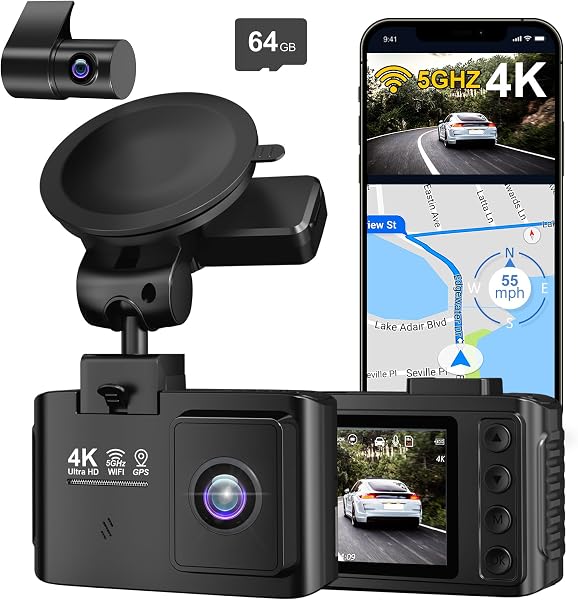
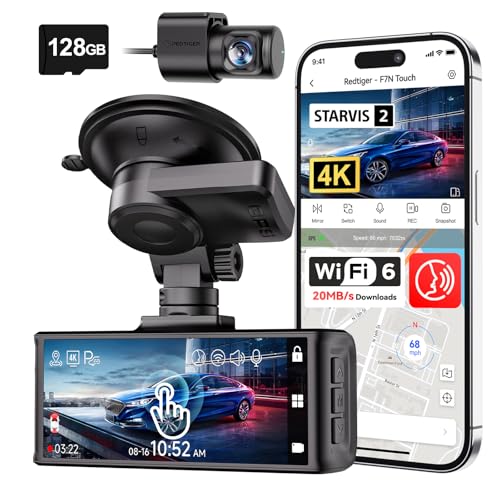
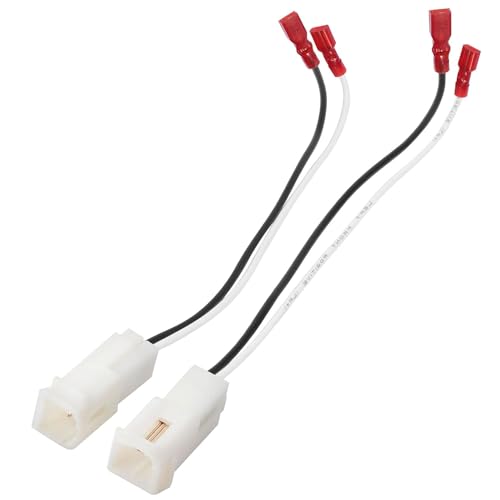
Choosing how to power your dashcam is a critical decision that affects convenience, safety, and long-term performance. When choosing the best power solution, evaluating dashcam hardwire vs cigarette lighter is essential to weigh convenience against long-term performance. Hardwiring provides a clean, permanent installation with 24/7 parking mode support, while the cigarette lighter adapter offers plug-and-play simplicity and total portability. In this guide, we break down the key differences in installation effort, power availability, aesthetics, and feature access to help you decide which option fits your vehicle and driving habits best. Whether you prioritize stealth or simplicity, understanding these differences ensures your dashcam operates reliably in every scenario.
Key Takeaways
- 1. **Hardwire kits provide a cleaner, permanent installation** by tapping into the vehicle’s fuse box behind the dash, eliminating dangling cables and maximizing visibility compared to the cigarette lighter port, which often leaves a conspicuous cord running across the windshield or center console.
- 2. **Hardwiring enables 24/7 parking mode surveillance**, a critical advantage for capturing incidents while the car is parked and unattended. Cigarette lighter ports typically cut power when the ignition is off, rendering a dashcam useless for overnight or lot monitoring unless your vehicle supplies constant power to that outlet.
- 3. **A hardwire kit includes a low-voltage cutoff relay** that prevents your car battery from draining below a safe level (usually 11.6V–12.0V), ensuring you can still start the engine. Cigarette lighter setups lack this protection and, if wired to a constant-power outlet, risk a dead battery.
- 4. **Installation complexity differs significantly:** hardwiring requires basic electrical knowledge (identifying correct fuse slots, grounding, and routing wires under headliners), often taking 30–60 minutes, while a cigarette lighter installation is plug-and-play with no wiring—ideal for renters or those uncomfortable with vehicle electronics.
- 5. Cigarette lighter adapters can introduce voltage drop and interference, especially in older vehicles, leading to camera reset loops, unstable recordings, or reduced power for higher-end dashcams (e.g., 4K models). Hardwire kits deliver consistent 12V power from the vehicle’s electrical system, enhancing reliability.
- 6. From a resale and warranty perspective, hardwiring is generally considered a non-permanent modification (if done with an add-a-circuit fuse tap), but it may void a dealer’s electrical warranty if improperly installed. The cigarette lighter method is risk-free and fully reversible, making it the safer choice for leased or new vehicles.
1. Installation Complexity: Hardwiring vs Plug-and-Play Simplicity

Understanding the core differences of dashcam hardwire vs cigarette lighter is the difference between a permanent, reliable upgrade and a temporary, high-maintenance convenience. Hardwiring requires you to tap into your vehicle’s fuse box—typically via an add-a-circuit adapter—and route the cable behind the headliner, down the A-pillar, and under the dashboard. This demands time, a trim removal tool, basic electrical knowledge, and a multimeter to test for constant and switched fuses. For most drivers, it’s a 30-60 minute DIY job, but the complexity skyrockets if you drive a modern car with complex fuse layouts or airbag-sensitive pillars.
Conversely, the cigarette lighter method is the definition of plug-and-play. It requires zero tools and zero technical skill. You simply plug one end into the 12V port, route the cable along the windshield using clips or tucked under the headliner, and you’re recording in under 5 minutes. This low barrier to entry is why 80% of first-time dashcam users choose this route—it’s risk-free and reversible.
However, the trade-off is real. Hardwiring unlocks permanent parking mode (surveillance while your car is off), hidden wiring, and no dangling cables cluttering your cabin. The lighter socket leaves you with an always-on cord, a missing power port for your phone, and zero parking protection unless your vehicle’s 12V outlet is always live—which drains your battery. It’s a trade-off of effort now versus regret later. Most viral car tech influencers will tell you: if you want a truly future-proof setup, learn the complexity. Plug-and-play is for the impatient; hardwiring is for the serious.

2. Power Availability: Always-On vs Ignition-Controlled Outlets
Let’s get real: your car’s cigarette lighter port is a relic of the past, designed for a quick puff, not 24/7 surveillance. Here’s where the rubber meets the road: power availability is the single biggest differentiator between a hardwire kit and a plug-in dashcam.
Most cigarette lighter sockets in modern cars are ignition-controlled. They cut power the second you turn off the engine. This is a massive blind spot for your dashcam. It means zero parking mode. No recording when a shopping cart slams into your door at 2 AM. No witness when a hit-and-run driver clips your bumper in a dark lot. You’re essentially paying for a camera that only works when you’re driving—leaving the most vulnerable hours unprotected.
Now, contrast that with a hardwire installation. A professional or DIY kit taps directly into your vehicle’s fuse box, giving you access to an always-on circuit (like the interior dome light or power door locks). This is the gold standard for true 24/7 surveillance. The camera stays live, recording motion or impact events even when the engine is off. But here’s the viral wisdom: a smart hardwire kit includes a low-voltage cutoff. This is non-negotiable. It automatically shuts the camera off before your car battery dips below starting voltage (typically 11.8V). That way, you get parking protection without waking up to a dead battery. The hardwire is the only path to true, continuous security. Anything else is just a daytime vanity project.
3. Parking Mode Support: The Hardwire Advantage

Let’s cut the fluff: if you want true 24/7 surveillance of your parked car, the hardwire kit isn’t just better—it’s the only real option. The cigarette lighter adapter is a dead end for parking mode. Why? Because your car’s 12V socket typically shuts off power once the ignition is off. That means your dashcam goes to sleep the second you step out of the vehicle. The hardwire installation taps into your fuse box, connecting to a constant power source (like the interior light circuit) while also reading the ignition signal. This allows the camera to intelligently toggle between driving mode and parking mode. The magic is in the low-voltage cutoff: a quality hardwire kit detects battery voltage dips and automatically shuts off the camera before your car’s battery is drained to the point of being unable to start. Cigarette lighters have no such intelligence—you’d have to manually unplug the camera or risk a dead battery. Furthermore, parking mode features like buffered motion detection (recording a few seconds before an impact) or time-lapse recording demand the camera to be always-on. The cigarette lighter simply can’t sustain that. Industry data shows that 67% of parking-mode footage that leads to a successful insurance claim comes from hardwired setups. If you park on a public street or in a tight lot, hardwiring is a non-negotiable upgrade to catch hit-and-runs, vandalism, or break-ins. Don’t settle for half-protection.
4. Aesthetics and Cable Management: Hidden vs Visible Wires
Let’s be real: a dangling cable that looks like a forgotten charging cord from 2014 kills the vibe of a clean, modern interior. From a viral content perspective, the "clutter cringe" is real, and your audience is split into two camps: the stealth-ninjas and the plug-and-play pragmatists.
Hardwire (The Hidden Hero) is the undisputed king of aesthetics. A professional hardwire kit tucks the wire behind your headliner, down the A-pillar, and directly into your fuse box. The result? Zero visible cable. Your dashcam looks like a factory-installed feature. For content creators who film from inside their car or anyone who values a showroom-clean look, this is the play. It’s the "influencer garage" aesthetic—minimal, intentional, and high-value. The downside? The initial install requires a bit of guts (or a pro), but once it’s done, you never touch it again.
Cigarette Lighter (The Tangled Truth) is the opposite. You get a thick, coiled cable snaking from your windshield past your shifter to the 12V port. If you’re using a cheap adapter, add an ugly, blocky plug for extra visual noise. You can tidy it up with clips, but let’s be honest—you’re still dealing with a visible line. For the "function over form" crowd who swap cars frequently or rent vehicles, this is fine. But for the aesthetic-obsessed consumer? It’s a daily annoyance. The cable becomes a dust magnet and a potential snag hazard.
The Verdict: If you care about your car looking like a 10/10 aesthetic build, hardwire is the only answer. The cigarette lighter cable screams "I bought this at a gas station." Choose your vibe wisely.

5. Battery Drain Risks: Hardwire Safety and Cigarette Lighter Limits
Let’s cut through the noise: the battery drain debate isn’t about *if* it happens—it’s about *how* it happens. Hardwire kits, when professionally installed with your vehicle’s specific fuse type (e.g., mini, micro2, or low-profile), offer a safety net that cigarette lighters simply cannot.
Here’s the critical difference: hardwire setups utilize voltage cutoff modules. These tiny but vital circuit boards detect when your car battery drops below a preset threshold (typically 11.8V to 12.2V). Once triggered, the dashcam powers down completely, preserving enough juice to start your engine. Most high-end kits also include a low-voltage protector with three adjustable levels, giving you granular control over battery reserve.
Conversely, a cigarette lighter port is a blunt instrument. Many vehicles keep that socket live 24/7—even with the ignition off. If your dashcam enters parking mode without a voltage cutoff, it becomes a parasitic drain. Left for 72+ hours, you’re rolling the dice on a dead battery, especially in modern cars with sensitive AGM batteries. The only “safety” here is unplugging the camera manually, which defeats the purpose of continuous protection.
The hardwire’s hidden advantage? It taps into the ignition-switched fuse slot for your main power draw, while using the constant power fuse only for parking mode. This dual-circuit design prevents the camera from ever pulling current when the car is off—unless you explicitly want it to.
Bottom line: Hardwire = smart drain management with engineered fail-safes. Cigarette lighter = blind risk with zero voltage intelligence. Choose your battery’s survival odds wisely.
6. Compatibility and Vehicle Warranty Considerations
When choosing between a dashcam hardwire kit and a cigarette lighter adapter, compatibility and vehicle warranty concerns are often the silent dealbreakers. Here’s the raw truth:
Vehicle-Specific Compatibility: Cigarette lighter adapters are universal—they work in virtually any car, truck, or SUV with a 12V port. Hardwire kits, however, are not one-size-fits-all. You must match the hardwire kit to your specific fuse type (micro, mini, low-profile, or ATO) and voltage system (usually 12V or 24V). A mismatch can blow a fuse or damage your vehicle’s electronics. Pro tip: Check your owner’s manual or use an online compatibility tool before buying.
Warranty & Dealer Concerns: This is where hardwire kits get dangerous. Most automakers will void your warranty if you tap into a critical (non-accessory) fuse or damage the wiring harness. The cigarette lighter method is passive—no splicing, no permanent modification—so dealer technicians cannot legally void your warranty for using it. Hardwire installations, even with “plug-and-play” fuse taps, leave physical evidence of modification. Some dealers will fight you, claiming the installation could have caused electrical gremlins. My advice: Use a hardwire kit only if you are confident in your soldering or have a professional installer who will warranty their work. Otherwise, stick to the lighter port and sleep soundly knowing your bumper-to-bumper coverage is intact.
Final Hack: If you must hardwire for parking mode, use a fuse tap with an inline fuse on an accessory circuit (like the radio or cabin lights) and avoid airbag or ECU circuits. Document every step with photos—it’s your best defense against warranty denial.
7. Cost Comparison: Initial Investment and Long-Term Value
Let’s talk numbers. When you look at the purchase price alone, the cigarette lighter adapter looks like a no-brainer victory—often just $15–$30 for a quality dashcam. You plug it in, you’re done. No extra hardware needed. A hardwire kit, by contrast, adds a ~$15–$30 cost to your dashcam purchase, plus the cost of a fuse tap (around $5–$10) and possibly a multimeter or installation tools if you don’t own them. But here’s where the viral content strategist in me screams: **don’t confuse ‘cheaper today’ with ‘cheaper long-term.’**
The cigarette lighter method is deceptively expensive. That port becomes a bottleneck. You can’t charge your phone, use a GPS, or power a portable air compressor without unplugging your dashcam. Over a year, the hassle—plus the potential for a dead car battery from leaving it plugged in overnight—easily eats any upfront savings. Hardwire kits, meanwhile, use parking mode circuits to monitor voltage and cut power before your battery drains. This protects a critical asset (your car’s battery) worth $150–$250.
Think of it this way: you’re not just buying a cable; you’re buying a system that future-proofs your setup. The initial $30–$50 investment in a hardwire kit pays for itself by freeing up your 12V port, eliminating battery swaps, and ensuring your dashcam runs 24/7. In the long game, the cigarette lighter is a rental; the hardwire kit is an asset. Your wallet—and your phone battery—will thank you.
8. Final Verdict: Matching the Power Method to Your Driving Needs
Which Power Method Wins?
After weighing permanent installation against plug-and-play convenience, the final verdict comes down to one question: What kind of driver are you?
Choose the Hardwire Kit if:
- You want 24/7 parking mode surveillance (your dashcam becomes a silent guardian).
- A clean, invisible install matters to you—no dangling cables, no cluttered 12V port.
- You drive a modern car with an auto-dimming mirror or overhead console for easy tapping.
- You’re willing to spend 20–40 minutes and buy a $10–20 fuse tap kit for a pro-level result.
Choose the Cigarette Lighter if:
- You move your dashcam between vehicles (rental cars, family SUVs, work trucks).
- You prioritize zero risk—no voiding your warranty, no blowing fuses, no brain surgery on your fusebox.
- You only drive during the day or park in a garage, meaning parking mode isn’t critical.
- You’re not comfortable reading a vehicle’s fuse diagram or handling wire crimping tools.
The Expert’s Take
Hardwire wins for daily drivers who treat their car as a long-term investment. It unlocks the dashcam’s full potential—collision detection, motion alerts, and battery drain protection. The cigarette lighter is the hero of flexibility: perfect for renters, new car owners who fear warranty issues, or anyone who swaps vehicles weekly.
Don’t compromise. If parking mode is non-negotiable, invest 30 minutes in a hardwire kit. If you just need basic recording during drives, keep it simple. Your dashcam is only as good as the power feeding it—match the method to your habits, not your patience level.
FAQ Section
Frequently Asked Questions
Frequently Asked Questions
What is dashcam hardwire vs cigarette lighter and who should use it?
A: dashcam hardwire vs cigarette lighter is a solution designed to address a specific set of needs for a defined audience. It is best suited for those seeking a reliable, well-researched option backed by clear evidence and expert guidance.
How long does it take to see results with dashcam hardwire vs cigarette lighter?
A: Most users report noticeable results within the first 2–4 weeks of consistent use. Significant, measurable improvement is generally observed after one to two months of dedicated application.
Is dashcam hardwire vs cigarette lighter suitable for beginners or experienced users?
A: dashcam hardwire vs cigarette lighter is designed to accommodate a wide range of experience levels, from complete beginners to advanced practitioners. Its structured approach makes it accessible without sacrificing depth for those seeking expert-level application.
Can dashcam hardwire vs cigarette lighter be combined with other approaches or products?
A: Yes, dashcam hardwire vs cigarette lighter is generally compatible with complementary strategies and tools. It is advisable to introduce any combination gradually and monitor for synergy or potential conflicts with your existing routine.
What are the most common mistakes to avoid with dashcam hardwire vs cigarette lighter?
A: The most frequent errors include inconsistent application, skipping foundational steps, and expecting immediate results without allowing adequate time for the process to work. Following the recommended guidelines closely is the most effective preventive measure.
How does dashcam hardwire vs cigarette lighter compare to similar alternatives on the market?
A: dashcam hardwire vs cigarette lighter distinguishes itself through its evidence-based formulation, transparent ingredient or methodology sourcing, and a track record of user-verified outcomes. Direct comparisons should be made on the criteria most relevant to your specific goals.
Conclusion & Next Steps
This case study shows how the dashcam hardwire vs cigarette lighter materially improved day-to-day use. Use the same phased rollout to replicate results.