If you are concerned about your dash cam draining car battery when engine off, you are not alone; finding the right balance between vehicle security and electrical health is a common challenge for drivers.
This guide provides 10 essential tips to help you manage your dash cam's power consumption effectively in 2026, ensuring your car starts every morning while maintaining reliable surveillance.
Tip 1: Use a Dedicated Hardwire Kit

The Importance of Circuit Protection
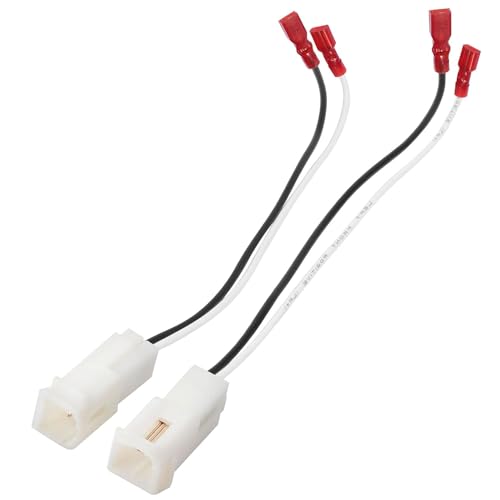
A high-quality hardwire kit is essential to prevent your dash cam draining car battery when engine off. These kits include low-voltage protection circuits that detect when the battery drops below a safe threshold.
Professional Installation Standards
Ensure the kit is wired to a constant power source for functionality and a switched source for ignition detection. How much installing a dash camera costs: A Complete Pricing Guide can help you budget for a professional setup.
Tip 2: Monitor Your Voltage Cut-off Settings

Setting the Right Threshold
Most modern dash cams allow you to set a voltage cut-off. To avoid a dash cam draining car battery when engine off, set this to 12.2V or 12.4V for standard batteries to ensure there is enough juice left to start the engine.
Consulting the Manual
Refer to How are dash cams powered? The complete guide to installation methods to understand the specific voltage requirements for your camera model.
Tip 3: Assess Environmental Temperature Impacts

Cold Weather Battery Stress
Batteries lose capacity significantly in freezing temperatures. If your local climate is harsh, consider raising your cut-off voltage, as a battery that seems full may actually be struggling.
Internal Camera Heating
Note: Higher temperatures during summer can also increase internal resistance in batteries, so monitor your device performance throughout the changing seasons.
Tip 4: Choose the Right Recording Mode

Event-Only vs. Continuous Recording
Constant recording uses significant energy. Switch to "Event-Only" or "Parking Surveillance" mode, where the camera remains in standby until the G-sensor detects an impact or motion.
Maximizing Standby Efficiency
By minimizing the duration the sensor stays active, you drastically reduce the risk of your dash cam draining car battery when engine off.
Recommended Equipment & Solution

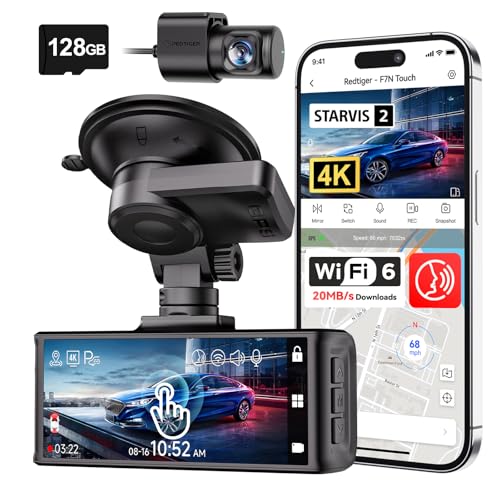
4K Dash Cam Front and Rear Inside,3.16"
A reliable pick for 4K Dash Cam Front, selected based on this article's guidance.

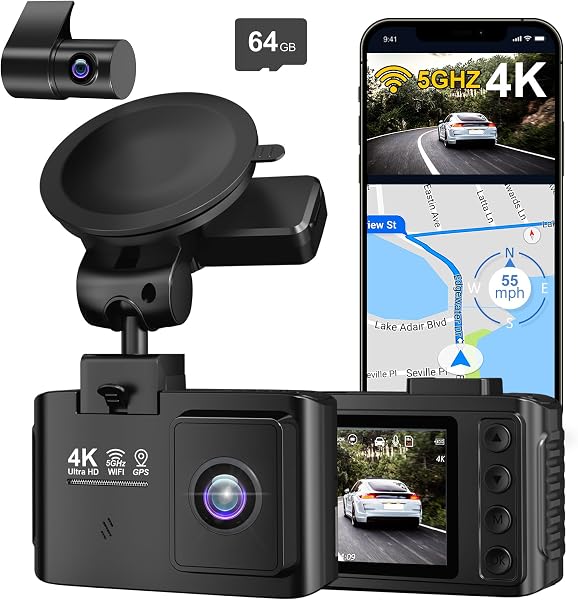
4K Dash Cam, Dash Camera Front Inside
A reliable pick for 4K Dash Cam, Dash Camera, selected based on this article's guidance.
Tip 5: Test Your Battery Health Regularly

Old Batteries and Power Drain
An aging car battery holds less charge, making it more vulnerable to cameras. Learn more about Do dash cams record when the car is off? Everything You Need to Know for 24/7 Security to ensure your hardware choices match your vehicle's current state.
Voltage Testing Procedures
Tip 6: Utilize Dedicated External Power Banks
Isolating Power Sources
External battery packs are the most effective way to prevent a dash cam draining car battery when engine off. These packs charge while you drive and power the camera while you are parked.
Comparison of Power Solutions
| Feature | Direct Hardwire | External Battery |
|---|---|---|
| Battery Drain | Possible | None |
| Installation | Moderate | Simple |
| Reliability | Battery Dependent | High |
Warning: Avoid generic phone power banks, as they are not designed for the extreme temperature fluctuations inside a vehicle cabin.
Tip 7: Check Your Fuse Box Connections
Selecting the Correct Fuse
Always connect to a "constant" fuse for power and a "switched" fuse for the ignition signal. Using the wrong fuse can lead to erratic behavior and potential parasitic drain.
Securing the Ground
A poor ground connection often causes electrical interference and can fool the dash cam into thinking the ignition is still on, contributing to battery drain.
Tip 8: Update Your Dash Cam Firmware
Power Management Improvements
Manufacturers often release firmware updates that optimize energy consumption in standby modes. Check your manufacturer's website regularly to ensure you are running the latest software.
Reliability and Performance
For more general setup advice, review resources such as Baby Car Camera Mounting Tips: Secure Setup Guide 2026 to keep all your automotive electronics optimized.
Tip 9: Optimize Motion Detection Sensitivity
Reducing False Triggers
If your dash cam is sensitive, wind blowing through tree leaves or passing pedestrians will keep it in full recording mode, accelerating battery depletion.
Calibration Techniques
Success: Adjusting your G-sensor and motion sensitivity to "Medium" or "Low" often stops unnecessary recording without missing real security events.
Tip 10: Disconnect When Parked Long-Term
Extended Storage Precautions
If you plan to leave your car parked for more than a few days, unplug your dash cam entirely. This is the only 100% effective method to ensure the camera is not drawing any power.
Protecting Your Investment
Leaving a vehicle stagnant for long periods is generally taxing on batteries regardless of accessories, so consider a battery tender if long-term storage is necessary.
Common Mistakes to Avoid
Frequently Asked Questions
Why does my dash cam continue to draw power after I turn off the ignition?
Many vehicles provide 'always-on' power to the cigarette lighter or USB ports, causing the dash cam to remain active and drain the battery.
What is a hardwire kit and how does it prevent battery drain?
A hardwire kit connects directly to your fuse box and includes a low-voltage cutoff feature that automatically shuts off the camera if the battery drops below a set threshold.
How can I test if my dash cam is the cause of my dead battery?
Unplug the dash cam entirely for several days; if your vehicle starts normally, the camera is likely drawing too much parasitic power while the engine is off.
Are there dash cams designed specifically for 24-hour parking surveillance without killing the battery?
Yes, look for models with built-in parking modes and low-voltage protection, or pair your camera with a dedicated external dash cam battery pack.
What is the recommended voltage cutoff setting to ensure my car still starts?
Setting your cutoff voltage to 12.2V or 12.4V is typically recommended to preserve enough capacity to reliably start your engine.
Can I use an OBD-II power cable to avoid battery drain?
OBD-II cables often include a built-in switch that shuts down power once the car's ignition signal is lost, preventing the battery from being depleted.
Does connecting my dash cam to a constant fuse guarantee battery drainage?
Connecting to a constant fuse will drain the battery unless you use a hardwire kit with a voltage monitor that triggers a shutdown before the battery reaches a critical level.
How long can a typical car battery handle a dash cam in parking mode?
Without a low-voltage cutoff, a standard car battery can be drained in as little as 24 to 48 hours depending on the camera's power consumption and your battery's health.
Key Takeaways
- 1. Always install a hardwire kit that includes low-voltage protection.
- 2. Set your voltage cut-off to 12.2V or higher to ensure the engine starts.
- 3. Consider an external dash cam battery pack for maximum car battery safety.
- 4. Use "Parking Mode" instead of continuous recording while the engine is off.
- 5. Regularly test your battery with a multimeter to ensure it holds a healthy charge.
- 6. Keep your firmware updated to benefit from power efficiency improvements.
- 7. Unplug the device if the car will be parked for several days or more.
Summary
Managing the electrical load of your vehicle is crucial when integrating security accessories. By following the tips outlined above, you can enjoy 24/7 monitoring while keeping your vehicle's starting system in peak condition.
If you find that your current setup is still struggling, evaluate your hardware and ensure your installation follows the guidelines found in Do dash cams record when the car is off? Everything You Need to Know for 24/7 Security.
With the right configuration, your dash cam will provide peace of mind without compromising the reliability of your vehicle's engine start.