Opting for a dashcam without speed recording is an increasingly common choice for drivers who prioritize privacy and data simplicity, and this illustrative scenario walks through the practical implications of that decision.
Many drivers find themselves at a crossroads: wanting the security of a recording device while remaining cautious about how metadata, such as velocity logs, might be interpreted or stored. This representative case study examines how a user navigates these concerns while maintaining a reliable record of their travels.
By following this walkthrough, you will learn how to balance the need for road-incident documentation with a preference for excluding speed-related data, ensuring your setup meets your specific security needs.
- Understanding the starting point: Balancing privacy and security needs.
- Developing an approach: Configuring hardware for evidence without telemetry.
- Analyzing the outcome: How simple, clear footage changes incident documentation.
- Learning the lessons: Avoiding common pitfalls in configuration.
- Applying the logic: Assessing whether this strategy fits your personal vehicle usage.
The Starting Point: A Common dashcam without speed recording Scenario

The Core Challenge
In a typical scenario, a driver wants protection in the event of an accident but feels uncomfortable with the device embedding speed coordinates directly into the video files. This often stems from concerns about how that data might be used in potential legal or insurance contexts.
Why the Default Approach Often Falls Short
Most modern units come with GPS-linked speed tracking enabled by default. Without understanding how to configure a dashcam without speed recording, many users leave features active that they would prefer to disable, leading to unnecessary data collection.
Before installation, always check the device manual or Do dash cams record when the car is off? to ensure your hardware choice supports a "stealth" configuration that suits your needs.
The Approach & Method

Step-by-Step Configuration
Tools for Success
Utilizing proper mounting techniques, as discussed in Baby Car Camera Mounting Tips: Secure Setup Guide 2026, helps ensure the dashcam remains steady, reducing blur and improving the clarity of the evidence captured.
Recommended Equipment & Solution
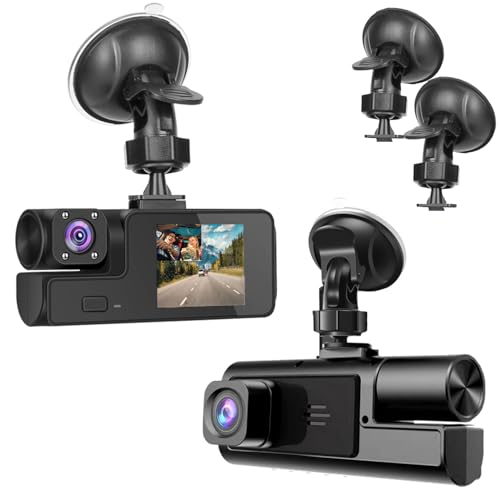
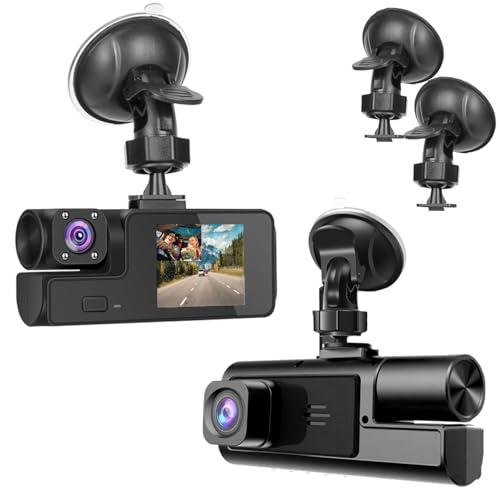
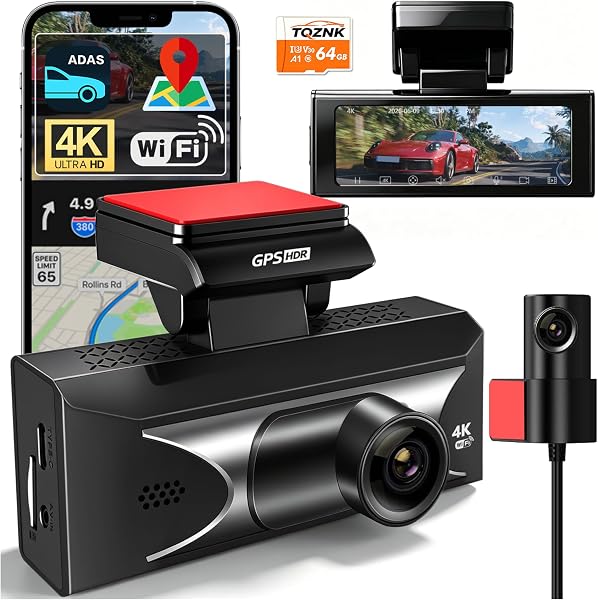
1080P Dual Dash Camera for Car Front
A reliable pick for 1080P Dual Dash Camera, selected based on this article's guidance.

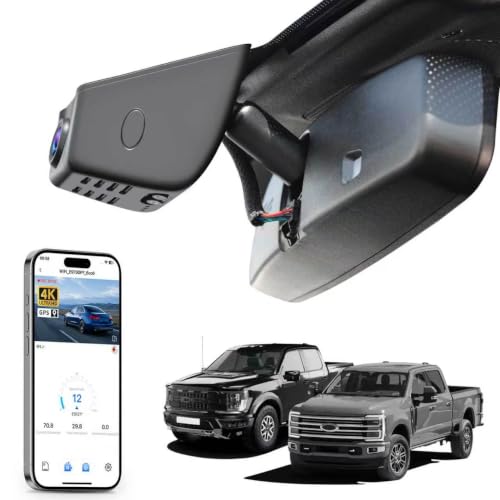
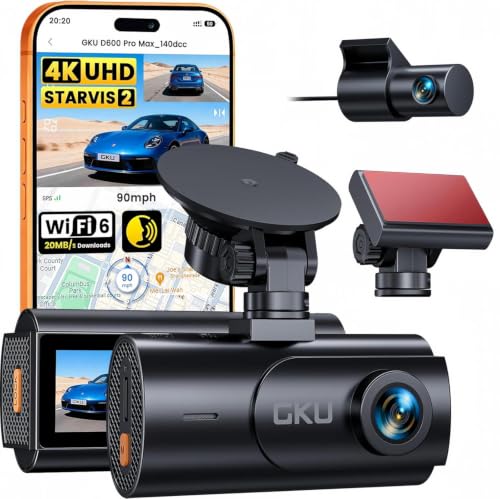
4K Dash Cam Front, Built-in 5.8G WiFi
A reliable pick for 4K Dash Cam Front, Built-in, selected based on this article's guidance.
Results & Outcome Analysis

Comparing Qualitative Outcomes
| Metric | Before (Standard Dashcam) | After (Configured Device) |
|---|---|---|
| Data Complexity | High (Embedded Speed/GPS) | Low (Clean Video Only) |
| Privacy Confidence | Variable (Concern over data) | High (Minimalist logging) |
| Documentation Quality | Sufficient but cluttered | Streamlined for clarity |
Synthesizing the Benefits
The primary success observed in this pattern is the elimination of "metadata friction." By opting for a dashcam without speed recording, the user maintains a focused, professional-looking file that serves as visual evidence without introducing secondary variables that could complicate an insurance claims adjuster's initial review. For those interested in deeper connectivity, exploring How Does Baby Car Camera Work? Top 5 Systems for 2026 Reviewed can offer further insights into modern camera management.
The configuration successfully met the privacy requirements while maintaining high-fidelity evidence collection, proving that specialized settings can provide a more tailored user experience.
Lessons Learned
Transferable Insights
Lesson: Always verify that "disabling" speed means disabling the data logging, not just hiding the visual stamp. This ensures privacy is maintained at the file level.
Pitfall: Avoid buying cameras that mandate GPS connection for time-syncing if you want to avoid speed logging entirely; look for units with independent internal clocks.
Lesson: Regularly review your storage settings. For long-term peace of mind, check 5 Best Spare Dash Cam Battery Options for Long-Lasting Parking Mode to keep your system reliable.
Technical Considerations
Technical clarity is key. Always prioritize hardware that allows you to manage the specific data streams you wish to record.
Does This Apply to Your Situation?

When This Scenario Matches Yours
This approach is ideal if your primary goal is incident documentation for liability purposes while maintaining a personal stance against the secondary tracking of vehicle velocity.
When Your Situation Differs
If you rely on speed data to monitor young drivers or require accurate velocity records for fleet management, the "dashcam without speed recording" approach will likely hinder your organizational goals.
Individual results always vary based on the specific camera model and local traffic laws. This guide presents an illustrative pattern meant to help you weigh the pros and cons of data minimization in your vehicle.
Frequently Asked Questions
Do all dashcams have speed recording?
A: No, many base-level or privacy-focused models do not include a GPS module, meaning they cannot record speed data by design.
Can I turn off speed recording on a high-end dashcam?
A: Yes, most high-end models offer a setting to disable the GPS overlay and data logging within the video settings menu.
Is it illegal to use a dashcam without speed recording?
A: No, there is no law requiring dashcams to record velocity; the choice is entirely up to the user's preference for documentation.
Does removing speed data hurt an insurance claim?
A: Generally, insurance companies prioritize clear video of the incident; speed data is secondary and often considered optional.
How do I verify my dashcam isn't recording speed?
A: Check your video files on a computer; if no telemetry appears on screen or in metadata, you have successfully verified the configuration.
What should I look for when buying a new dashcam?
A: Look for features labeled as "GPS-optional" or check if the settings menu explicitly mentions toggling speed stamps.
Are there any downsides to disabling speed recording?
A: The only downside is if you personally require that information for record-keeping or monitoring your own driving habits.
Will a dashcam without speed recording still have an accurate time stamp?
A: Yes, most units use an internal clock that can be synchronized manually or automatically without needing external GPS data.
Key Takeaways
- 1 Prioritize privacy by selecting hardware that offers granular control over metadata.
- 2 Confirm whether "hidden" settings actually stop data logging or just visual overlays.
- 3 A dashcam without speed recording remains fully capable of documenting essential accident evidence.
- 4 Regularly test your device to ensure settings remain applied after firmware updates.
- 5 Evaluate your unique needs—safety monitoring may favor speed data, while personal privacy may dictate its removal.
- 6 Use consistent, professional installation to ensure the camera provides the best possible view.
- 7 Always consult local regulations, as dashcam laws can vary by jurisdiction.
Conclusion
Choosing a dashcam without speed recording is a proactive step for drivers who prioritize data simplicity and privacy. By focusing on the fundamentals of visual evidence, you can maintain a secure, reliable recording system that avoids the complexities of unnecessary telemetry.
As you move forward, evaluate your specific goals—whether that is maximizing privacy or ensuring clear incident reporting—and align your hardware configuration accordingly. For additional help setting up a comprehensive car security system, please review our other expert guides.
Take control of your driving data today by opting for a setup that reflects your personal standards for road safety and digital privacy.