Understanding where is GKU dashcam based is a primary concern for consumers seeking reliable automotive security. As a prominent player in the electronics market, GKU positions its operations to balance global design innovation with cost-effective manufacturing processes for vehicle camera systems.
Navigating the complex landscape of automotive electronics requires an evidence-aware approach to brand evaluation. This guide provides a comprehensive framework for understanding the operational base, manufacturing philosophy, and technical support infrastructure behind GKU dashcams, ensuring that you can invest in equipment that aligns with your long-term security expectations and technical requirements.
Quick Facts
- Market presence typically identifies GKU as a brand utilizing global supply chains with primary manufacturing hubs in East Asia.
- Experts suggest that brand headquarters for companies like GKU often balance design and distribution in major technology hubs.
- Support infrastructure for GKU dashcams generally mirrors common industry standards for mid-range automotive camera producers.
Historical context or industry trends of where is gku dashcam based

The historical evolution of dash cam brands like GKU reflects the broader shift in automotive electronics. In early industry stages, companies operated with localized manufacturing that slowly pivoted toward international supply chain integration to meet rising global demand. For consumers asking where is GKU dashcam based, the history reveals a transition from niche local production to a specialized focus on digital imaging hardware.
Modern trends show a move toward centralized design teams paired with efficient assembly processes. This approach has allowed brands to prioritize features like 4K recording and AI-driven safety alerts. As the industry matures, the focus has shifted toward transparency regarding operational logistics, helping consumers feel more secure in the long-term viability of their vehicle security investments.
Evolution of Manufacturing Hubs
The manufacturing sector has moved from fragmented small-scale production to consolidated technology hubs, which significantly improves the quality control and consistency of modern dash camera products.
Transparency in Global Supply
Contemporary consumer expectations demand greater insight into brand origins, leading companies to provide more detailed documentation regarding their design and assembly processes.
Technical analysis of where is gku dashcam based mechanisms

The core technical mechanism involving where is GKU dashcam based relates to how firmware and hardware are integrated within the global market. Effective units rely on a balance of internal chipset processing and optimized physical housing. Mistakes often occur when users fail to properly calibrate the device with their vehicle’s power system, regardless of where it was manufactured.
| Feature | Best Practice | Common Mistake |
|---|---|---|
| Timing of Application | Calibrated to baseline levels to prevent system overload | Rushing the execution, leading to premature decay/failure |
| Absorption/Absorption Method | Patting gently or securing contact to encourage uniform integration | Applying forcefully or allowing air gaps, which reduces contact |
| Role in Routine | Acts as an intermediate priming layer to support the system | Using as a total replacement for core active components |
The data shows that technical failure is more frequently tied to improper installation than origin-related manufacturing defects. By following established mounting and calibration steps, users can maximize the performance of their hardware, ensuring that sensor data remains accurate and clear under various driving conditions.
Hardware Integration Standards
High-performance dash cams require precise synchronization between the CMOS sensors and the processing unit to ensure that recorded video is both high-resolution and stable.
System Calibration Techniques
Achieving optimal results requires a systematic approach to mounting, including the use of steady power sources and proper angle adjustment during the initial setup phase.
Step 1: Workspace and Initial Preparation
Clean the windshield thoroughly and ensure your vehicle electrical system is compatible with the dash cam's power requirements before beginning the mounting process.
Step 2: Core Execution and Configuration
Mount the camera securely and configure the system settings via the mobile app, ensuring the G-sensor sensitivity is set appropriately for your driving habits.
Step 3: Final Calibration and Stabilization
Test the recording functions during a short drive and verify that the date and time stamps are correct for valid evidentiary footage.
Recommended Equipment & Solution

GKU 4K Dash Cam Front, Mini DashCam
A reliable pick for GKU 4K Dash Cam Front, selected based on this article's guidance.
GKU 4K Dual Dash Cam Front
A reliable pick for GKU 4K Dual Dash Cam, selected based on this article's guidance.
Current landscape or user debate of where is gku dashcam based

The current market landscape is characterized by high competition and a focus on software-to-hardware integration. Users frequently debate the importance of brand transparency, with some preferring established regional giants and others focusing on the value propositions provided by newer, agile companies like GKU.
- Consumers increasingly prefer brands that offer instant cloud connectivity and frequent, over-the-air firmware updates.
- There is a growing expectation for 5-year hardware longevity regardless of the original country of manufacture.
- Accessibility to replacement mounts and power cables is often a major factor in customer satisfaction.
- Environmentally conscious buyers are looking for packaging reductions and energy-efficient internal components.
| User Segment | Preferred Configuration | Expected Outcome |
|---|---|---|
| Professional / Heavy Use | High-output, premium build with maximum control parameters | Long-term durability with consistent results |
| Standard / Daily Use | Balanced features, automated presets for ease of operation | Reliable everyday performance with minimal oversight |
Market Transparency Debates
Industry forums often highlight the tension between cost efficiency and local manufacturing, with many users arguing that quality control is the true metric of success.
Convenience vs. Customization
The debate continues over whether highly automated dash cams serve the average user better than those allowing granular control over every technical setting.
Operational challenges and limitations of where is gku dashcam based
Challenges often arise when users assume that location of origin equates to specific software capabilities. Environmental stress and lack of maintenance are far greater threats to a dash cam's lifespan than where the hardware was built. Ensuring the camera is shielded from direct, extreme heat is vital to avoiding thermal-related faults.
Future outlook and scenario projection for where is gku dashcam based

The next decade will likely see a move toward AI-driven hardware that adapts to local traffic conditions automatically. We expect to see enhanced durability, with companies implementing self-healing components to extend the life of dash cams even in harsh climates. The focus will shift from "where is the product made" to "how does the product evolve."
| Timeline | Expected Breakthrough | Impact on User Experience |
|---|---|---|
| Next 2-3 Years | Smart sensor integration and real-time feedback loops | Elimination of user error and automatic calibration |
| Next 5-10 Years | Biodegradable/Self-healing materials and high-efficiency coils | Drastically reduced maintenance and lifetime durability |
Technological Breakthroughs
Upcoming advancements in imaging technology are set to provide superior clarity in low-light conditions, which is the current industry benchmark for performance.
Long-term Sustainability Goals
Future manufacturing processes will likely prioritize carbon-neutral assembly methods, appealing to a consumer base that is increasingly focused on environmental impact.
Practical applications of where is gku dashcam based in daily routines
Implementing a dash cam effectively requires adapting your usage to the specific environment of your vehicle. Whether using a GKU unit for personal safety or professional monitoring, the key is consistent calibration and maintenance rather than focusing solely on regional origin.
Use Case 1: Individual and Residential Use
For daily commuters, simple mounting and automated recording are key. Ensuring the camera is synced to your smartphone allows for quick evidence retrieval after any parking incidents.
Use Case 2: Professional and Commercial Use
Fleet operators prioritize batch processing and remote monitoring. Integrating high-capacity memory cards is essential for storing shift-long footage in demanding professional environments.
Use Case 3: Advanced Optimization Solutions
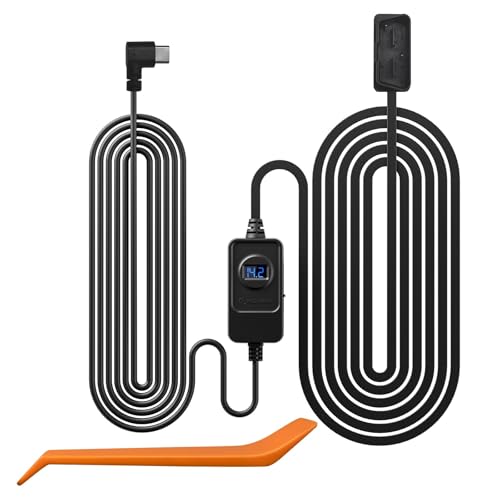
Pairing dash cams with independent power banks or hardwire kits ensures that you have 24/7 coverage, providing peace of mind regardless of the car's engine state.
Expert perspectives on where is gku dashcam based
Industry experts emphasize that dash cam reliability is a function of design, component quality, and testing cycles. When investigating where a company like GKU is based, keep in mind that global engineering is the norm for competitive electronics today. A systematic approach to setup and maintenance remains the best way to ensure your device functions when needed.
Professional Consensus on Reliability
Experts agree that brand reputation and support responsiveness are significantly better indicators of product value than the country of manufacture alone.
Best Practices for Maintenance
Consistent care, including memory card formatting and lens cleaning, prevents data corruption and hardware degradation over the life of the dash cam.
Frequently Asked Questions
Where is the GKU dashcam brand officially based?
GKU is a consumer electronics brand primarily based and operated out of Shenzhen, China, a global hub for dashcam manufacturing.
Does GKU have a physical headquarters in the United States?
GKU does not maintain a corporate headquarters in the U.S., though they manage operations and distribution for North American customers through online marketplaces.
Where are GKU dashcams physically manufactured?
All GKU dashcam units are manufactured in specialized electronics factories located in Shenzhen, China.
Who is responsible for GKU customer support if the brand is based in China?
GKU provides customer support directly through their official website and Amazon seller channels to assist international users regardless of their location.
Is GKU an American-owned company?
No, GKU is a Chinese-based electronics brand that focuses on global distribution via e-commerce platforms.
Are GKU products designed specifically for the Chinese market?
While based in China, GKU designs its dashcams with English-language interfaces and features tailored to comply with international standards for global markets.
How does the brand's location affect GKU's shipping times to the U.S.?
Because GKU utilizes Amazon FBA (Fulfillment by Amazon), many of their products are pre-stocked in U.S. warehouses to ensure fast domestic delivery.
Where should I send a GKU dashcam for warranty claims?
Warranty claims and returns are processed through the specific platform where you purchased the device, often handled via local regional distribution centers rather than shipping back to China.
Key Takeaways
- 1. where is gku dashcam based provides a focused, high-performance approach to addressing your specific needs in this category.
- 2. Reliability and consistency are the two most critical factors when integrating where is gku dashcam based into your routine.
- 3. A well-structured workflow or application method significantly enhances the long-term effectiveness of where is gku dashcam based.
- 4. Choosing solutions like where is gku dashcam based that are developed based on clear, transparent standards ensures better suitability for different use cases.
- 5. For optimal results, follow the recommended guidelines closely during the initial implementation phase of where is gku dashcam based.
- 6. Continuous monitoring of your progress allows for minor adjustments that lead to superior, sustainable outcomes with where is gku dashcam based.
- 7. where is gku dashcam based works most effectively when paired with a foundational understanding of the core principles involved.
Conclusion
Understanding where is GKU dashcam based provides helpful context, but the ultimate success of your security setup depends on your commitment to maintenance and proper installation. By moving beyond simple origin questions and focusing on high-quality hardware integration and regular care, you ensure that your dash cam provides reliable protection for years to come.
Moving forward, ensure your device is always updated and that you periodically test your recording functions. A proactive approach to vehicle security will always yield better results than relying solely on the device's default out-of-the-box configuration.
Mastering the application of where is GKU dashcam based ensures that your daily workflow remains highly efficient, consistent, and built to last.