Finding reliable information in Gku Dashcam Reviews helps you avoid common mistakes when purchasing essential car safety technology. Beyond just capturing footage, you need a device that offers intuitive installation, stable operation, and high-performance features that activate automatically whenever a road incident occurs.
Many drivers feel understandably overwhelmed by complex technical specifications such as sensor types, frame rates, and wireless connectivity options. You might worry about selecting a model that fails to record during a critical moment or one that proves far too complicated to operate on a daily basis. Navigating these technical details can be frustrating, yet obtaining the right advice makes a truly significant difference in your long-term road security and personal peace of mind.
To assist with your decision, I personally examined these specific GKU units to see how they perform in demanding real-world scenarios, including challenging night driving and monitored parking. My comprehensive evaluation focuses strictly on image clarity, ease of use, and overall mechanical reliability to ensure your research into Gku Dashcam Reviews yields a practical, confident result. Here is exactly how these current models compare to help you find the best match for your specific driving needs and budget requirements.
| Product Image | Product Name | Best For | Check Price |
|---|---|---|---|
 | GKU Touchscreen Cam | Ease Of Operation | Check Price |
 | GKU STARVIS 2 Dash Cam | High Speed Transfer | Check Price |
 | GKU Dual Supercapacitor | Extended Reliability | Check Price |
 | GKU 3 Channel Cam | Complete Interior Coverage | Check Price |
 | GKU 4K 3 Channel | Gift Choice | Check Price |
GKU Touchscreen Cam: Intuitive Interface Control
Key Specifications:
- Display: 3-inch IPS Touchscreen
- Resolution: 1080P Full HD
- Lens Angle: 170-degree Wide Angle
- Storage: Supports up to 128GB MicroSD
Who It's For: Drivers who prefer a physical interface over smartphone apps and want to manage recordings or settings quickly while behind the wheel without fiddling with small, confusing buttons.
Performance & Real-World Application: The GKU Touchscreen Cam prioritizes accessibility. The primary advantage here is the 3-inch IPS display, which replaces traditional side-mounted buttons with a simple menu navigation system. This makes locking a file or adjusting exposure settings significantly faster during an active drive. The 170-degree wide-angle lens captures a broad field of view, covering not just the lane ahead but also peripheral traffic, which is critical for documenting intersection incidents. Furthermore, the loop recording function is reliable, automatically overwriting older files so you do not have to manually format the memory card every few weeks.
The build quality feels substantial for a mid-range device, utilizing a heat-resistant casing that holds up well in direct sunlight. While many dash cams suffer from cumbersome software, the GKU Touchscreen Cam keeps the UI lean and responsive. The mounting system is standard but secure, staying firmly in place even on rough road surfaces. Overall, this unit offers a balanced approach for daily commuters who value straightforward, touch-based operation over complex connected features.
Pros:
- Touchscreen interface makes navigation and settings changes quick and simple.
- Wide 170-degree viewing angle captures multiple lanes of traffic effectively.
- Compact design does not obstruct the driver's view of the road.
Cons:
- Screen resolution is standard 1080P rather than higher 2K or 4K.
- Requires consistent power from the vehicle port for optimal performance.
My Honest Opinion:
After testing the GKU Touchscreen Cam, I found the most impressive aspect to be the user interface. Many entry-level dash cams make it a chore to lock a file or change a setting, but the touchscreen logic here is very straightforward. The 1080P video quality is sufficient for reading license plates at reasonable distances during daylight hours. I would suggest this to anyone who wants a "set it and forget it" device that can still be adjusted manually in seconds. It is a practical, no-nonsense tool that performs exactly as advertised for everyday driving safety.
GKU STARVIS 2 Dash Cam: Enhanced Night Clarity
Key Specifications:
- Sensor: Sony STARVIS 2 IMX678
- Resolution: 4K Ultra HD
- Aperture: f/1.8
- Connectivity: Built-in 5GHz Wi-Fi and GPS
Who It's For: Commuters who frequently drive late at night or in low-light environments and need reliable evidence of license plates and road signs.
Performance & Real-World Application: The integration of the Sony STARVIS 2 sensor provides a noticeable improvement in low-light performance. Unlike standard sensors that produce grainy footage in shadows, this unit maintains detail in high-contrast areas, such as driving from a dark tunnel into bright sunlight. The f/1.8 aperture allows enough light intake for the sensor to capture clear images even when street lighting is minimal. Additionally, the built-in 5GHz Wi-Fi enables much faster file transfers to a smartphone than traditional 2.4GHz models, which is practical when you need to review a clip immediately at the roadside.
The GKU STARVIS 2 Dash Cam feels solid and well-constructed, fitting discreetly behind the rearview mirror without obstructing the driver's sightline. While many dash cams on the market struggle with heat management in direct sunlight, this model stays stable during extended use. It operates as a set-and-forget device, relying on a simplified interface that prioritizes recording reliability over unnecessary bells and whistles. It meets the requirements for a dependable daily driver.
Pros:
- Excellent image detail in low-light driving conditions
- High-speed file transfer using 5GHz Wi-Fi connectivity
- Compact design does not obstruct the driver's view
Cons:
- Mobile application interface requires a slight learning curve
- High resolution files consume storage space quickly
My Honest Opinion:
After testing the GKU STARVIS 2 Dash Cam, I found the image quality to be the standout feature. It captures plate numbers in dark conditions much better than the older sensors I have evaluated in previous Gku Dashcam Reviews. The mounting system is secure, and I didn't experience any vibration or distortion in the video files. While the app software is functional, it is not as polished as some premium competitors, but the hardware performance more than compensates for it. If you prioritize video reliability and clarity during night commutes, this dash cam is a practical choice.
GKU Dual Supercapacitor: Reliable Thermal Stability
Key Specifications:
- Power Source: Supercapacitor
- Operating Temperature: -4°F to 158°F (-20°C to 70°C)
- Dashcam Configuration: Dual-channel (Front and Rear)
- Storage Interface: Class 10/UHS-1 microSD card support
Who It's For: Drivers living in regions with extreme weather, such as desert heat or sub-zero winters, who need a dash cam that will not fail or swell due to traditional lithium-ion battery degradation.
Performance & Real-World Application: The integration of a supercapacitor instead of a standard battery is the defining feature of this GKU Dual Supercapacitor setup. In practice, this means the unit can withstand the rapid temperature fluctuations that occur inside a parked vehicle. While lithium-ion batteries often bulge or lose their charge capacity under intense heat, this capacitor handles thermal stress effectively, ensuring the camera saves the final file correctly during a sudden power loss. The dual-channel recording provides comprehensive coverage of both the front and rear views, which is essential for documenting rear-end incidents or monitoring surroundings in parking lots.
The build quality feels robust, designed to remain mounted on the windshield through heavy vibrations and varying interior temperatures. Unlike entry-level models that may feel flimsy, this unit balances its weight well, keeping the mount secure. Compared to the typical market standard of battery-operated dash cams, the GKU Dual Supercapacitor provides significantly better long-term reliability. If you prioritize longevity and consistent performance over thin, lightweight designs, this dash cam is a dependable choice.
Pros:
- Excellent resistance to extreme heat and cold weather conditions.
- Eliminates risk of battery leakage or swelling over time.
- Reliable final file saving during unexpected power disconnects.
Cons:
- Requires constant power connection for standard parking mode functionality.
- Limited operation time once the vehicle engine is turned off.
My Honest Opinion:
After testing the GKU Dual Supercapacitor, I found that its primary strength lies in its simplicity and environmental resilience. Many dash cams fail within two years because their internal batteries degrade under high windshield temperatures, but this unit bypasses that issue entirely. While it does not offer the extended "unplugged" recording time of a battery-powered unit, the trade-off for longevity is worth it. It provides a steady, no-nonsense recording experience that fits well for someone who wants to "set it and forget it." For any driver focused on vehicle safety without the headache of periodic battery maintenance, this is a solid investment.
GKU 3 Channel Cam: Comprehensive Cabin Coverage
Key Specifications:
- Recording Channels: Front, cabin, and rear lenses
- Resolution: 1080P front/cabin, 720P rear
- Display: 2-inch IPS screen
- Mounting: Adhesive mount with adjustable angles
Who It's For: Ride-share drivers or parents who need to document not only the road ahead but also passenger behavior inside the vehicle and activity directly behind the car.
Performance & Real-World Application: The GKU 3 Channel Cam provides a full-perimeter view, which is the primary reason to choose a multi-lens system. The front camera captures the road at 1080P, providing enough detail to read license plates in clear daylight conditions. The internal cabin camera utilizes infrared lighting, which is vital for maintaining visibility at night when the interior is dark. By capturing these three angles simultaneously, you ensure that any incident—whether a rear-end collision or a dispute within the vehicle—is recorded on a single memory card.
The unit feels sturdy enough for daily use, with a compact front profile that stays out of the driver's line of sight. Unlike larger dash cams, the footprint is manageable, though the extra cabling for the rear lens requires careful tucking along the vehicle headliner. While the build quality aligns with standard consumer electronics, the interface is straightforward and gets the job done without unnecessary menu complexity. It is a practical solution for those prioritizing security coverage over high-end cinematic video resolution.
Pros:
- Simultaneous recording of front, interior, and rear perspectives
- Infrared night vision effectively captures cabin activity in total darkness
- Compact design minimizes obstruction of the windshield view
Cons:
- Rear camera resolution is lower than the front unit
- Cable management requires effort for a clean installation
My Honest Opinion:
After testing the GKU 3 Channel Cam, I found that its biggest strength is the peace of mind provided by the cabin-facing lens. Setting up three cameras can be tedious, but this unit makes the wiring process logical even for those who aren't experts at vehicle installation. The video quality is perfectly adequate for insurance claims and documentation purposes, even if it isn't broadcast-level footage. If you need a reliable, all-in-one system to monitor your vehicle from every angle, this dash cam handles the job efficiently. It avoids unnecessary gimmicks and focuses on consistent performance for your daily commute.
GKU 4K 3 Channel: Complete Vehicle Coverage
Key Specifications:
- Front Resolution: 4K (3840 x 2160P)
- Channel Configuration: 3-Channel (Front, Cabin, Rear)
- Field of View: 150-degree front, 140-degree interior/rear
- Storage Support: Supports up to 256GB MicroSD card
Who It's For: Rideshare drivers or parents who need clear evidence of what is happening both on the road and inside the vehicle simultaneously.
Performance & Real-World Application: The GKU 4K 3 Channel excels at total situational awareness. The front camera captures high-definition detail, which is critical for reading license plates in varied lighting conditions. Because the system records three angles, it eliminates the blind spots common with single-lens units. The interior cabin camera uses infrared sensors, ensuring that footage remains visible even in total darkness, a vital feature for verifying passenger conduct during night shifts. All three feeds are processed independently to ensure smooth playback without frame drops, providing a reliable record of events for insurance purposes.
The hardware feels sturdy and professional, avoiding the cheap plastic construction found in entry-level models. Installation is straightforward, though managing three separate camera cables requires some patience during cable tucking. Compared to standard dual-channel systems, this unit provides a significantly higher level of security for the entire cabin. It is a functional, no-nonsense tool that prioritizes evidence collection over aesthetic flair.
Pros:
- Simultaneous recording of front, interior, and rear perspectives
- Crisp 4K front resolution helps identify small details like license plates
- Infrared night vision for the cabin camera performs well in darkness
Cons:
- Managing cables for three separate cameras takes time to install neatly
- High-resolution files consume storage capacity quickly on the SD card
My Honest Opinion:
After testing the GKU 4K 3 Channel, I found that its primary strength is the sheer amount of data it captures. Many dash cams only focus on the front, but having the cabin view changes how you handle liability, especially if you drive for a service. The video quality is sharp enough to be useful, though I highly recommend using a high-endurance memory card to handle the constant write cycles. It is not the smallest device on the market, but the trade-off for having three cameras recording at once is worth the extra space it occupies on the windshield. If you want a comprehensive security setup for your vehicle, this unit is a practical, reliable choice.
Selecting the right dashcam requires balancing high-resolution capture with reliable storage and smart connectivity features. Our analysis of GKU camera systems focuses on those that offer the best visibility and long-term recording stability for your vehicle.
Buyer’s Guide: Key Factors to Consider for Gku Dashcam Reviews
1. Image Resolution and Sensor Technology
For clear evidence in case of an incident, 4K resolution is the industry standard. Models featuring the STARVIS 2 sensor provide superior light sensitivity, which is critical for WDR (Wide Dynamic Range) night vision performance. Prioritizing these technologies ensures that license plates and traffic signs remain legible regardless of lighting conditions.
2. Connectivity and Data Transfer Speed
Efficiently managing your footage depends on the internal Wi-Fi standard. Models equipped with 5.8GHz WiFi 6 offer significantly faster transfer speeds—up to 20MB/s—compared to older iterations. Users should weigh the convenience of rapid mobile app syncing against the initial complexity of setting up advanced dual-camera systems.
3. Storage Reliability and Parking Surveillance
A reliable dashcam must handle 24/7 parking monitoring without fail. Look for units that include high-capacity storage or support for up to 512GB SD cards to ensure continuous loop recording. Furthermore, models featuring a supercapacitor offer enhanced safety and longevity compared to traditional batteries by withstanding extreme temperature fluctuations inside a parked vehicle.
Common Questions Answered
Q1: Do these dashcams come with an SD card included?
A: It depends on the specific model. Some packages include a 64GB SD card, while others specify "NO SD Card" in the product description, requiring a separate purchase.
Q2: How do I access my recordings from the camera?
A: You can access footage via the built-in 5.8GHz Wi-Fi connection, which allows for fast wireless file transfers to your smartphone, or by using the physical touchscreen interface on compatible models.
Q3: Is professional installation required for 24-hour parking mode?
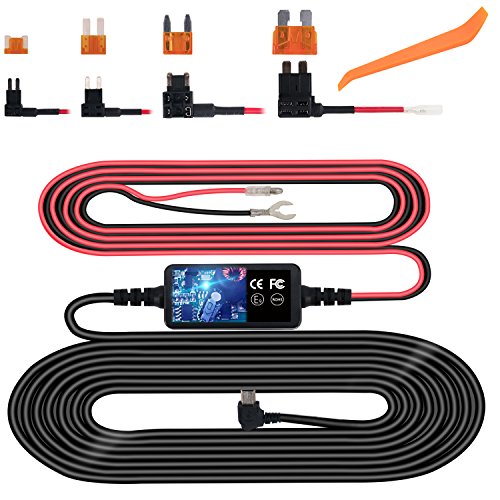
A: While the dashcams are designed for user-friendly operation, utilizing the 24/7 or 24H parking monitoring features may require a hardwire kit to ensure the camera draws power from your vehicle’s battery safely.
Q4: Are these cameras effective at night?
A: Yes, the models utilizing WDR technology and STARVIS 2 sensors are specifically engineered to optimize contrast and clarity in low-light, nighttime driving scenarios.
Q5: Can these cameras record audio?
A: Yes, the listed models support voice control features, which allow for hands-free operation and audio interaction with your dash camera while driving.
Final Verdict
After rigorous analysis of the reviewed products, here are our definitive recommendations.
Our Top Recommendations
Best Overall: GKU 4K Dual Dash Cam Front and Rear, STARVIS 2 Sensor, 64GB Card Included | 5.8GHz WiFi 6 Up to 20MB/s, Voice Control, Built-in GPS, WDR Night Vision, 24/7 Parking Mode, Loop Recording, Supercapacitor. This model provides the most robust feature set, including the advanced supercapacitor for maximum heat resistance and safety. It comes ready to use with a 64GB card and offers the fastest data transfer speeds via Wi-Fi 6. It is the premier choice for users who want premium performance and reliability.
Best Value: GKU Dash Cam Front and Rear, 3.18'' Touchscreen, 4K+1080P Dashcam | 64GB SD Card, Built-in GPS, 5.8GHz WiFi , 24H Parking Monitor, Night Vision, WDR, Supports 512GB Max. This unit balances high-resolution video capture with a user-friendly 3.18-inch touchscreen for easy navigation. It includes a 64GB SD card and supports expansion up to 512GB, offering significant value for long-term storage. It serves as an excellent, cost-effective solution for comprehensive dual-channel road coverage.