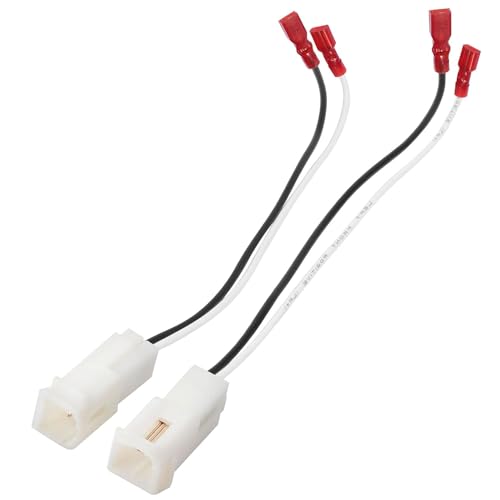
Deciding how to connect back dash cam camera without full wiring typically forces a choice between using wireless transmission kits or simplified plug-and-play auxiliary power methods. Both approaches aim to solve the tedious challenge of routing long cables through the interior trim of your vehicle.
Many drivers find themselves overwhelmed by the prospect of headliner removal or trim panel dismantling. The confusion usually stems from balancing the desire for a clean, permanent look against the reality of time constraints and the potential risk of damaging delicate plastic interior clips during a full install.
This guide analyzes both methods, helping you evaluate whether your specific vehicle and driving needs favor a wireless transmission setup or a simplified, semi-permanent power solution. By the end, you will have a clear framework to choose the installation path that minimizes effort while maintaining reliable video coverage.
- Installation Effort: Comparing technical difficulty levels.
- Signal Reliability: Analyzing wireless stability versus wired consistency.
- Power Management: Understanding how to keep cameras fueled without hardwiring.
- Cost Implications: Evaluating the budget trade-offs of specialized kits.
- Vehicle Compatibility: Identifying which method suits different car architectures.
Overview & Head-to-Head Summary

Method A: Wireless Transmission Kits
Wireless kits use a transmitter and receiver pair to send the rear video signal to the front dash cam, eliminating the need to run an A/V cable from the trunk to the dash. These are popular for larger vehicles where cable length is a significant hurdle.
Method B: Simplified Auxiliary Power Routing
This approach involves using existing rear 12V outlets (cigarette lighters) to power the rear camera, paired with local recording or Bluetooth syncing, thereby avoiding a connection to the front unit entirely.
| Feature | Wireless Kit | Auxiliary/Standalone |
|---|---|---|
| Installation Time | Moderate | Low |
| Video Stability | Subject to interference | Highly stable |
| Power Source | Centralized | Local/Standalone |
| Cost | Higher | Lower |
Before purchasing, check if your car's rear 12V outlet remains powered when the ignition is off. Learn more about power behavior in our guide: Do dash cams record when the car is off? Everything You Need to Know for 24/7 Security.
Key Differences & Core Features

Data Transmission vs. Local Recording
Wireless kits prioritize centralized management, where the front camera acts as the main hub. In contrast, local auxiliary setups treat the rear camera as an independent unit, which simplifies wiring but complicates footage retrieval.
Reliability and Signal Integrity
Wired connections are the gold standard for latency, but wireless kits have evolved to minimize interference. Understanding these trade-offs is essential for long-term usage. Compare these nuances against industry standards in How are dash cams powered? The complete guide to installation methods.
| Feature | Wireless Kits | Local Aux Setup |
|---|---|---|
| Integration | High (Single UI) | Low (Dual UI) |
| Signal Latency | Minimal, but present | None |
| Battery Drain | Constant draw | Varies by power point |
Performance & Real-World Analysis

Evaluating Signal Quality
Wireless interference is the primary performance bottleneck. In urban environments with high Wi-Fi density, signal dropouts can occur. Conversely, local auxiliary setups are immune to electromagnetic interference but suffer from manual synchronization delays.
Lifecycle and Maintenance
Mechanical wear on trim panels occurs during initial installation. Once set up, wireless systems require less maintenance, whereas local auxiliary units may require more frequent manual resets depending on their power source.
Performance remains most stable when the power source is constant. If you are worried about costs, review How much installing a dash camera costs: A Complete Pricing Guide to see where professional help might be more cost-effective than DIY wireless troubleshooting.
Best Use Cases & Ideal Scenarios

When Option A (Wireless) Makes More Sense
Choose wireless transmission if you own a larger vehicle, such as a truck or SUV, where routing cables through long, complex interior panels is physically impractical or requires removing critical safety airbags in the headliner.
When Option B (Auxiliary) Makes More Sense
Choose local auxiliary setups if you have a tight budget or need an immediate solution for a rental vehicle where permanent installation or cable modification is prohibited.
When It Genuinely Doesn't Matter
If you have a professional installer handling the work, the method of transmission is secondary to the final output quality. Both options produce high-definition results when installed by experts.
Recommended Equipment & Solution

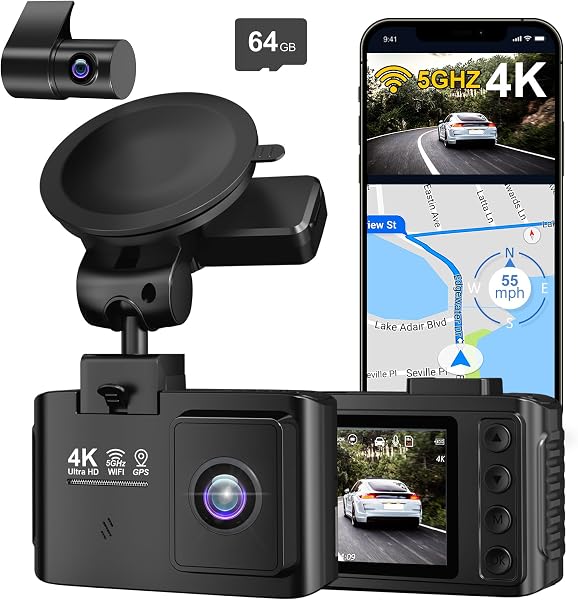
ROVE R2-4K Dual Dash Cam Front
A reliable pick for ROVE R2-4K Dual Dash Cam, selected based on this article's guidance.

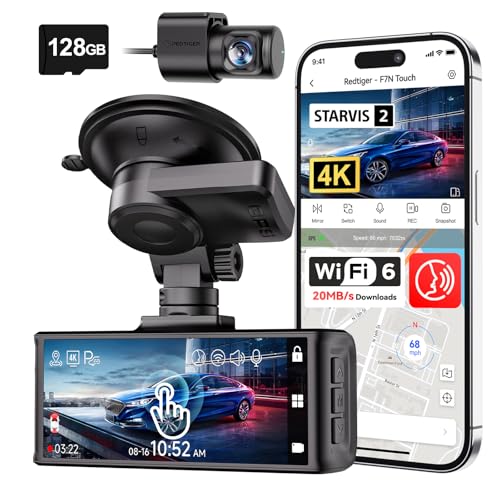
FAIMEE 4K Dash Cam Front and Rear
A reliable pick for FAIMEE 4K Dash Cam Front, selected based on this article's guidance.
Final Verdict & Decision Framework

Quick Decision Checklist
Ask yourself: Is my priority a single integrated system for easy viewing, or is my priority a low-effort, low-cost setup? If you require single-app integration, lean towards wireless; if you prioritize raw reliability, local auxiliary is the better path.
Our Framework for Choosing
| Your Goal | Recommended Choice |
|---|---|
| Seamless footage management | Wireless Kit |
| Budget-friendly install | Auxiliary Setup |
| Max signal reliability | Auxiliary Setup |
| Minimal interior modification | Wireless Kit |
Note: Always verify that any wireless component does not violate local vehicle safety regulations.
Success: Use high-quality, shielded power cables even if they aren't the "full" wiring kit, to reduce electrical noise.
Tip: If you are unsure, try a temporary setup with a portable power bank before committing to a permanent installation.
Frequently Asked Questions
Is it difficult to connect a camera without full wiring?
A: It depends on your mechanical comfort level. While it saves time, troubleshooting wireless connectivity can be just as frustrating as running a cable.
Do wireless systems provide 4K video?
A: Most wireless kits struggle to maintain high-bitrate 4K streaming. You may experience downscaled resolution to maintain signal stability.
Will these methods affect my warranty?
A: Generally, no, provided you do not cut into factory wiring harnesses. Using cigarette outlets or wireless kits usually keeps warranties intact.
How do I handle the power cable if not hardwiring?
A: You can use adhesive clips to route wires along the door seals rather than under the carpet, which is a common compromise.
Is wireless signal affected by metal car bodies?
A: Yes, metal is a significant barrier to wireless signals. Ensure the transmitter has a clear line of sight where possible.
Which method is safer for night recording?
A: Wired or auxiliary local systems are safer as they ensure the camera is always drawing consistent power without signal loss during dark hours.
Can I use a power bank for rear cameras?
A: Yes, but ensure the bank supports pass-through charging so the camera remains active while the bank charges.
Are there specific cameras for these methods?
A: Some manufacturers offer specific wireless rear camera add-ons designed for their proprietary front dash cams.
Key Takeaways
- 1 Wireless kits offer convenience at the cost of potential signal latency.
- 2 Local auxiliary setups provide higher reliability but lack centralized file management.
- 3 Always check if your rear 12V outlet is ignition-switched.
- 4 Ceramic window tint can act as a signal shield, interfering with wireless transmission.
- 5 Professional installation remains the best way to ensure both aesthetics and function.
- 6 Avoid cutting into factory harnesses to keep vehicle warranties protected.
- 7 Your choice should depend on whether you prioritize easy integration or maximum raw performance.
Conclusion
Choosing how to connect your rear dash cam comes down to identifying your tolerance for technical troubleshooting versus physical labor. While the allure of "wireless" is strong, the inherent complexity of signal management often requires as much patience as pulling a trim panel.
By weighing your specific vehicle type and your preference for either a unified or independent system, you can effectively bypass the standard full-wiring process without sacrificing the security coverage you need.
Selecting the right connection method is the final step toward a safer driving experience; choose the path that best matches your DIY capability.