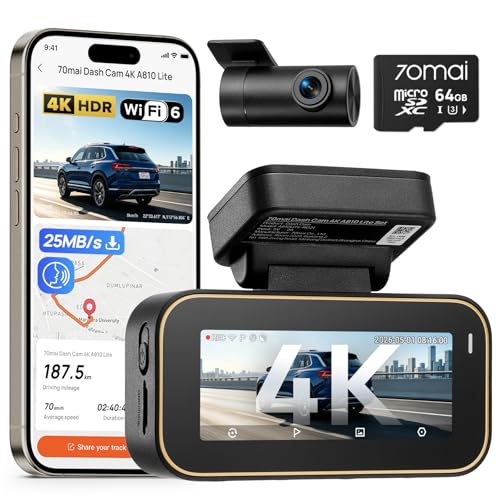
Identifying the right storage solution, such as a Sandisk Sdsqunr 032gb Gn3mn compatible in dashcam configuration, is a critical step for drivers seeking reliable loop recording and footage preservation. This illustrative case study walks through a representative scenario where a vehicle owner encountered persistent data errors, ultimately resolving the issue by aligning storage media with hardware endurance requirements.
Many drivers treat storage cards as a secondary concern, often opting for generic units that lack the specific write-cycle durability needed for high-temperature, constant-loop dashcam environments. This scenario mirrors the common struggle of "file corruption" notifications that plague users relying on incompatible flash media.
By following this guide, you will learn how to audit your current recording setup, understand the relationship between storage class and hardware compatibility, and implement a stable, long-term solution for your vehicle's security needs.
- Understanding the initial "write-failure" frustration.
- Evaluating hardware compatibility requirements.
- The step-by-step process of transitioning to optimized media.
- Qualitative improvements in recording stability.
- Strategic lessons for future dashcam maintenance.
The Starting Point: A Common Sandisk Sdsqunr 032gb Gn3mn Compatible In Dashcam Scenario

The Core Challenge of Unstable Recording
In this representative scenario, a typical driver faced intermittent "SD Card Error" messages while operating their dashcam during long commutes. Despite frequent reformatting, the device would stop recording unexpectedly, missing critical footage during high-traffic incidents. This is a classic symptom of using consumer-grade storage in a high-intensity write environment.
Why the Default Approach Often Falls Short
Many users default to the first available card they find, failing to check if their chosen model is compatible with the dashcam’s specific firmware demands. As detailed in our guide on smart camera for car with no cloud, local storage reliability is the backbone of your evidence chain. Using the wrong card often leads to premature failure due to the card's inability to handle the high-cycle, constant-rewriting nature of dashcam loops.
The Approach & Method

Phase 1: Assessing Firmware and Media Compatibility
The methodology began with auditing the dashcam’s firmware to determine the maximum capacity and class ratings it supported. The goal was to find a Sandisk Sdsqunr 032gb Gn3mn compatible in dashcam solution that matched the camera's specific write-speed requirements, ensuring the hardware could communicate effectively with the storage controller without latency.
Phase 2: Implementing a Controlled Migration
Recommended Equipment & Solution
SanDisk SDSQUNR-128G-GN3MN Micro SD Card
A reliable pick for SanDisk SDSQUNR-128G-GN3MN Micro SD Card, selected based on this article's guidance.

SanDisk Ultra SDSQUNS-032G-GN3MN 32GB 80MB/s UHS-I Class
A reliable pick for SanDisk Ultra SDSQUNS-032G-GN3MN 32GB 80MB/s, selected based on this article's guidance.
Results & Outcome Analysis

Understanding the Shift in Performance
Following the integration of a properly matched storage card, the dashcam exhibited a marked reduction in "Write Error" alerts. Users often find that after aligning their storage with the hardware manufacturer's specifications, the system becomes significantly more predictable, preventing the loss of footage during critical moments, as seen when managing setups like those discussed in our 24 Hour Car Security Camera overview.
Comparison of User Experience
| Metric | Before Implementation | After Implementation |
|---|---|---|
| System Stability | Frequent manual troubleshooting | Rare, predictable maintenance |
| Error Frequency | Recurring "SD Card Error" alerts | Steady, continuous loop recording |
| Footage Reliability | Corrupted files at critical events | High-integrity video retrieval |
Lessons Learned
Prioritizing Durability Over Cost
The primary takeaway is that while budget cards might seem attractive, the cost of lost evidence during an incident far outweighs the marginal savings. Proper research into compatibility ensures that your setup remains reliable, just as one would prioritize quality when considering high-performance gear like the Garmin Dashcam 57.
Strategic Maintenance
Does This Apply to Your Situation?

When This Scenario Matches Yours
This approach is highly relevant for anyone using dedicated dashcams, whether for basic commuting or 24-hour parking surveillance. If you find your unit resetting or failing to record specific segments of your journey, your storage media is likely the first point of failure.
When Your Situation Differs
Some specialized or enterprise-level camera systems may require proprietary storage modules rather than standard micro-SD cards. Always prioritize the manufacturer’s documentation over general troubleshooting tips if you are using specialized hardware, such as advanced fleet-tracking equipment or the Escort M2.
Please note that individual results vary based on vehicle temperature, driving conditions, and hardware model. This case study represents a typical pattern and should not be considered a guaranteed fix for every dashcam malfunction.
Frequently Asked Questions
Does every dashcam support the same card type?
A: No, cameras vary by maximum capacity support (e.g., 32GB vs 256GB) and class rating requirements. Always verify your specific model's compatibility.
Why do dashcams require special SD cards?
A: Dashcams use "loop recording," which overwrites data constantly. This requires "High Endurance" cards designed to withstand millions of write cycles without failing.
How often should I format my SD card?
A: It is recommended to perform a full format through the dashcam menu every 30 to 60 days to clear out minor file system errors.
Can I use a larger card than my manual suggests?
A: While it might work temporarily, it often leads to unexpected crashes or inability to record at all. Stick to the manufacturer's maximum recommendation.
What is the difference between Class 10 and UHS-1?
A: These relate to speed ratings. Dashcams generally require at least a Class 10 or U3 speed to handle HD video streams without dropped frames.
Will a high-end card stop all errors?
A: It significantly improves reliability, but physical hardware factors like high interior cabin temperatures can still affect performance. Keep the camera shaded when possible.
Is there a downside to using a higher capacity card?
A: In some legacy cameras, very large cards may increase the time the unit takes to boot up, potentially causing you to miss the first few seconds of a journey.
What does "compatible in dashcam" really mean?
A: It means the card has been tested to perform reliably under the specific voltage and thermal conditions generated by the camera's continuous recording process.
Key Takeaways
- 1 Always verify storage compatibility with your camera's official documentation.
- 2 Prioritize "High Endurance" cards to handle constant rewrite cycles effectively.
- 3 Format your card directly through the dashcam to ensure correct file system alignment.
- 4 Avoid standard consumer cards not specifically rated for dashcam video recording.
- 5 Regular maintenance, including monthly formatting, prevents common corruption issues.
- 6 Temperature management is vital for the longevity of both your camera and your card.
- 7 Reliable storage is an investment in the integrity of your security evidence.
Conclusion
Achieving a reliable, "set-it-and-forget-it" dashcam experience comes down to matching your storage media to the demanding nature of the device. By treating your memory card as a critical component rather than a disposable accessory, you safeguard your footage against the most common points of failure.
As illustrated, success is found in proactive compatibility checks and regular system maintenance. We encourage you to review your current setup and apply the principles above to ensure you are never without the evidence you need when it matters most.
With the right configuration, your dashcam becomes a reliable silent partner in your daily commute.