Deciding if should a dash cam hang down or upright is more than just a matter of aesthetics; it impacts your field of view, cable management, and device longevity. Drivers often struggle to determine the ideal orientation because manufacturer designs vary significantly across the market.
Most modern dash cams are designed with a specific orientation in mind, usually determined by the placement of the lens, buttons, and power input. However, some versatile mounts allow for flexibility, leading to confusion about which position provides the clearest footage and the most secure installation.
This guide analyzes the mechanical and practical differences between hanging and upright mounting configurations. By the end, you will be able to decide which orientation suits your specific vehicle and camera model to ensure consistent performance.
- How mounting orientation impacts lens distortion and image alignment.
- The relationship between cable tension and camera weight distribution.
- How different mounting styles affect installation methods and hidden wiring.
- Legal and safety considerations regarding sightline obstruction.
- Long-term durability and the risk of vibration-induced hardware failure.
Overview & Head-to-Head Summary

The Upright Mounting Profile
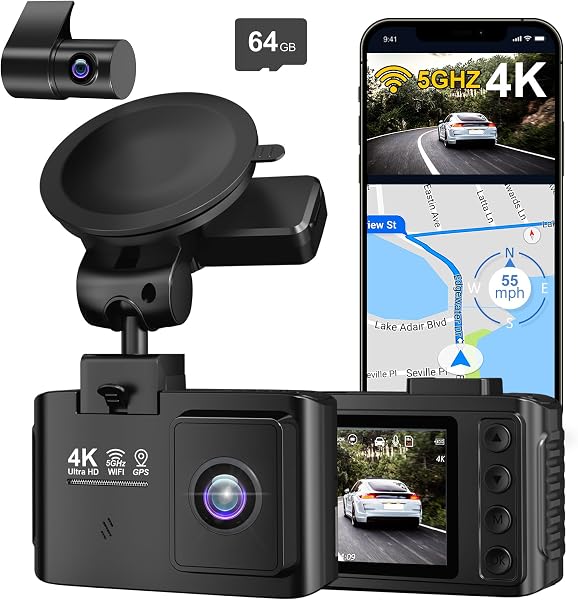
Upright mounting typically involves a pedestal-style base attached to the windshield, where the camera sits above its support arm. This is common for traditional, block-shaped dash cams and provides a clean, forward-facing silhouette that aligns well with the dash.
The Hanging (Suspended) Profile
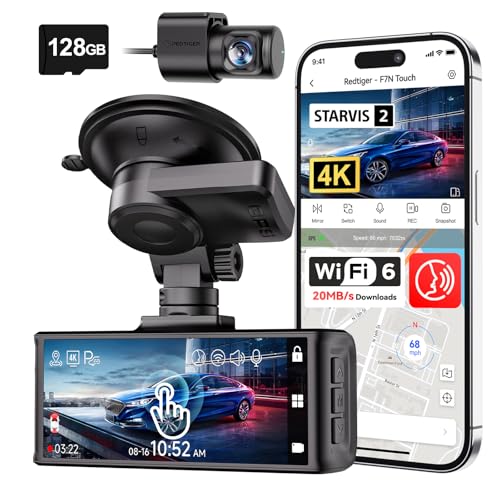
Hanging or "underslung" mounting usually involves the camera suspended beneath a suction cup or adhesive mount. This configuration is often found in cylindrical or wedge-shaped devices, allowing them to hug the windshield closely, minimizing the total distance between the lens and the glass.
| Feature | Upright Mount | Hanging Mount |
|---|---|---|
| Visibility | More conspicuous | Discreet/Hidden |
| Adjustability | High (Pivot base) | Limited/Fixed |
| Cable Strain | Lower | Higher |
| Lens Stability | Moderate | High (Low vibration) |
Before deciding, consider your vehicle's windshield rake. A steeply raked windshield often makes hanging mounts more effective at reducing glare and installation costs due to proximity.
Key Differences & Core Features

Mechanical Architecture and Weight Distribution
The primary structural difference lies in center-of-gravity management. An upright mount places the bulk of the camera weight directly on or near the anchor point, which can reduce the stress on the adhesive or suction cup. Conversely, a hanging mount leverages the camera's weight to keep the connection taught, which can sometimes lead to slight swaying if the mount is not sufficiently rigid.
Cable Management and Aesthetic Integration
If you prefer a sleek look, hanging mounts often allow for easier routing of power cables along the headliner. Upright mounts, however, often require longer cabling loops if the power port is located on the top of the device, which can create unsightly dangling wires if not properly managed.
| Criteria | Upright Mounting | Hanging Mounting |
|---|---|---|
| Mounting Force | Compression | Tension |
| Visual Profile | Bulky | Compact |
| Cable Port Access | Usually Side/Top | Usually Top/Rear |
| Mounting Surface | Windshield/Dash | Windshield only |
Performance & Real-World Analysis

Assessing Vibrational Impact on Video Quality
When asking whether a dash cam should hang down or upright, consider the vibrational frequency of your vehicle. Rigid mounts are generally better for preventing "jello effect" or blurred video. You must test your setup on uneven terrain to see if the mount type introduces unwanted oscillation.
Long-Term Reliability and Environmental Stress
Exposure to extreme heat can soften adhesives. Upright mounts often have a larger surface area for adhesive, whereas hanging mounts rely on smaller, high-stress points. Evaluating your local climate is key to choosing a mounting strategy that won't fail during hot summer months.
Performance remains optimal when the camera is mounted as close to the glass as possible, regardless of orientation, to minimize windshield reflections.
Best Use Cases & Ideal Scenarios

When Upright Mounting Makes More Sense
Upright mounting is ideal for larger vehicles with vertical windshields, such as trucks or vans, where there is ample space to place the camera without blocking the driver's sightline. It is also preferred for devices with integrated screens that need to be easily visible and operable by the driver.
When Hanging Mounting Makes More Sense
Hanging mounting is the standard for modern, compact "stealth" cameras. If you drive a sedan or sports car with a steep windshield rake, a hanging mount allows the camera to tuck neatly behind the rearview mirror, keeping your field of view clear.
When It Genuinely Doesn't Matter
If your dash cam uses a ball-joint mount with 360-degree rotation, the distinction between hanging or upright becomes purely secondary to where the camera is placed on the windshield. If the camera can record at the correct horizon level, prioritize the position that hides the cabling best.
Final Verdict & Decision Framework

Quick Decision Checklist
Determine your choice by prioritizing: 1. Available space behind the rearview mirror, 2. The location of the camera’s power port, and 3. Your desire for a stealthy vs. accessible device. If the power port is at the top, hanging is usually easier.
Our Framework for Choosing
There is no universal "winner." Choose Upright if you have a larger windshield and need screen access. Choose Hanging if you prioritize a clean interior and want to keep the camera hidden from outside observation.
| Your Goal | Recommended Strategy |
|---|---|
| Max Stealth | Hanging (Behind Mirror) |
| Frequent Manual Interaction | Upright (On Dash/Glass) |
| Large Vehicle / Truck | Upright (Pedestal) |
| Small Car / Low Ceiling | Hanging (Compact) |
Frequently Asked Questions
Can I mount any dash cam upside down?
A: Most dash cams include an "image flip" feature in the settings. Check your manual to ensure software support before attempting a non-standard mount.
Does hanging the camera increase vibration?
A: It depends on the mount quality. A high-quality, tension-based hanging mount is often just as stable as an upright one.
Will an upright mount block my view?
A: Yes, if placed incorrectly. Always position the device so it does not obstruct the driver's primary line of sight.
Are hanging mounts prone to falling?
A: If installed on clean, non-porous glass using quality adhesive, they are extremely secure and unlikely to fall.
Do I need special tools to change orientations?
A: Generally, no. Most mounts are adjustable with a simple hex key or a locking nut included in the package.
Does heat affect one mounting style more?
A: Yes, hanging mounts can sometimes be more sensitive to gravity if the adhesive loses bond strength due to extreme heat.
Is an upright mount better for dash-top placement?
A: Yes, upright pedestal mounts are designed specifically to sit on dashboards or lower windshield sections.
Can I hide the cables better with an upright mount?
A: It is often more difficult, as cables usually emerge from the top of the device, requiring a longer route to the headliner.
Key Takeaways
- 1 Hanging mounts are best for stealth and small, raked windshields.
- 2 Upright mounts provide better ergonomics for devices with screens.
- 3 Always check if your device supports "image flip" before mounting.
- 4 Proximity to the windshield is more important than orientation for image clarity.
- 5 Use 3M adhesives for better long-term reliability than suction cups.
- 6 Avoid placing your dash cam in a position that violates local obstruction laws.
- 7 Route your cables to the headliner first to see which orientation is most practical.
Conclusion
The choice between hanging and upright mounting depends largely on your vehicle's interior layout and your personal aesthetic preference. Neither is inherently superior for image quality, provided the device is mounted securely and oriented correctly within the software.
Take the time to test the placement before permanently fixing your camera to the windshield. By focusing on cable routing and local visibility laws, you can ensure a professional, reliable setup that provides peace of mind on every drive.
Proper mounting is the foundation of a reliable dash cam system; choose the configuration that makes your daily operation safest and most convenient.