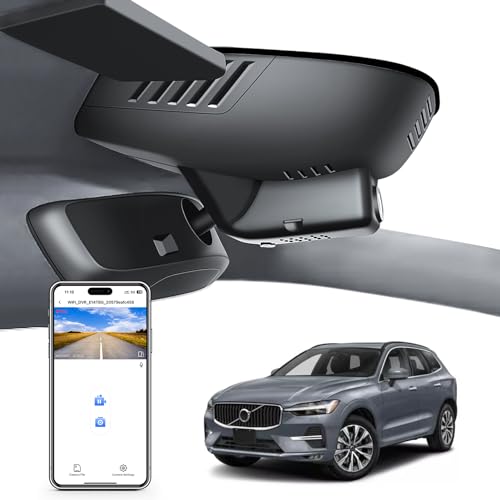
When analyzing dash cam configurations, the debate between multiview cameras vs front and rear sensors often confuses drivers trying to balance coverage area with system complexity.
This guide is designed for car owners, fleet managers, and DIY enthusiasts who want to make an informed decision on vehicle surveillance. We assume a foundational knowledge of basic electronics but explain all technical terms as they arise.
By the end of this guide, you will be able to distinguish which camera architecture aligns with your driving habits, installation capabilities, and budget.
- Understanding field-of-view limitations.
- The impact of wiring complexity on installation.
- How sensor integration affects parking mode performance.
- Comparative analysis of incident reconstruction accuracy.
- Future-proofing your vehicle with the right hardware.
Overview & Prerequisites

Determining Your Coverage Goals
Before purchasing hardware, evaluate your specific risk profile. If you park in tight urban spaces, multiview cameras may offer the 360-degree awareness required to capture side-impact incidents. If your primary concern is high-speed highway traffic, high-resolution front and rear sensors are often more effective at capturing license plate details at a distance.
Technical Prerequisites
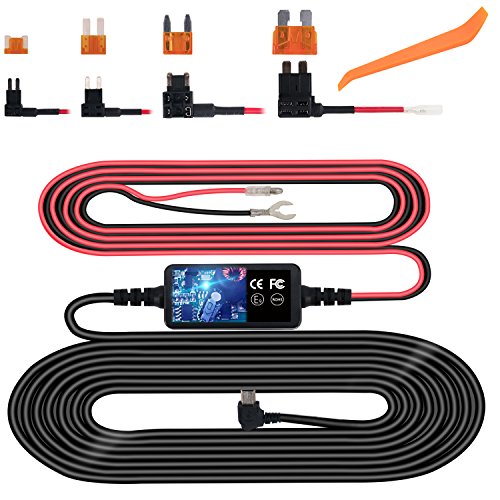
Ensure your vehicle electrical system can handle the power draw, especially if you plan on using advanced Do dash cams record when the car is off? Everything You Need to Know for 24/7 Security features. You will need basic cable routing tools, interior trim removal pry bars, and a stable power source.
Tip: Always test your camera angles in a static position before final mounting to ensure the sensors are not obscured by wiper blades or interior trim.
Core Concepts & Fundamentals

System Architecture Differences
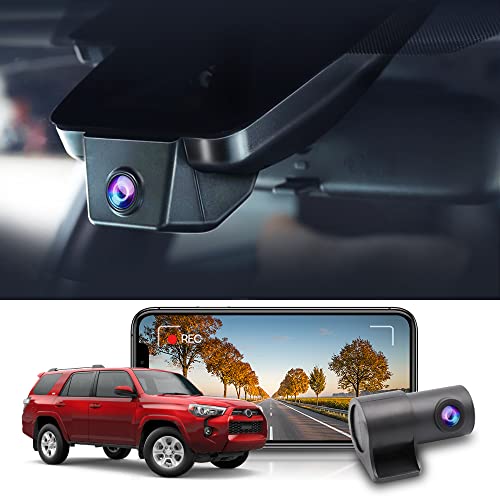
Front and rear sensor systems typically rely on two high-bitrate cameras mounted at the extremities of the vehicle. Multiview systems, conversely, use a processor to stitch together feeds from side, front, and rear lenses to create a composite top-down or wide-angle perspective. The primary trade-off is resolution density versus field-of-view breadth.
Data Management and Storage
Multiview cameras often require more robust storage controllers because they process multiple video streams simultaneously. For those comparing systems, How Does Baby Car Camera Work? Top 5 Systems for 2026 Reviewed offers a great look at how multi-feed data management functions in practice.
| Feature | Front/Rear Sensors | Multiview Systems |
|---|---|---|
| Installation | Simple/Moderate | Complex/Professional |
| Blind Spot Coverage | Limited | Comprehensive |
| Resolution | High Detail | Contextual Coverage |
Step-by-Step Execution Guide
Planning and Layout
Start by mapping out the cable paths. Using a non-permanent marker, identify where your cameras will sit to minimize interior visual obstruction while maximizing sensor coverage.
Installation and Calibration
Once the layout is confirmed, begin securing the mounting points. If using a multiview setup, ensure all cameras are calibrated per manufacturer specifications so the software can stitch the video frames correctly.
Recommended Equipment & Solution

4K RV Backup Camera System 10.36" Quad
A reliable pick for 4K RV Backup Camera System, selected based on this article's guidance.

4 Channel Backup Camera System,Touchable 10.26 inch
A reliable pick for 4 Channel Backup Camera System,Touchable, selected based on this article's guidance.
Best Practices & Pro Tips

Optimizing for Incident Capture
Always prioritize high-dynamic-range (HDR) settings to prevent light blowout during night driving. When choosing between multiview cameras vs front and rear sensors, remember that the reliability of your evidence depends on consistent maintenance, such as regular lens cleaning and periodic formatting of your storage media.
Maintenance Routines
Check for firmware updates quarterly. Many manufacturers optimize their sensor processing algorithms over time, which can improve overall video clarity and incident event sensitivity.
Troubleshooting & Common Pitfalls

Solving Connectivity Issues
If your multiview cameras display a synchronization error, this is often a result of an improperly seated data cable or outdated firmware. In front and rear systems, a common issue is the rear sensor failing to activate upon ignition, usually indicating a power supply problem in the wiring harness.
Avoiding Installation Errors
Avoid placing sensors near dark tinted window film, which can significantly reduce the light sensitivity of night-vision sensors, a known challenge as discussed in Can baby car cameras see in the dark: Safe Nighttime Travel.
Frequently Asked Questions
Are multiview cameras better than front and rear sensors?
A: It depends on your needs; multiview offers superior spatial awareness, while front/rear systems provide higher individual camera resolution.
Is installation harder for multiview systems?
A: Yes, because they require mounting multiple units and often demand complex calibration to sync the views correctly.
Which system captures license plates better?
A: Front and rear sensors are generally superior for capturing fine detail at a distance due to dedicated optics.
Can I install these systems myself?
A: Yes, provided you have basic knowledge of automotive trim removal and electrical wiring.
Do these systems drain the car battery?
A: They can if hardwired incorrectly; always use a dedicated parking mode monitor or a supplemental battery.
Are multiview systems more expensive?
A: Generally yes, due to the additional hardware and the processing power required for live image stitching.
Do I need specialized software?
A: Most reputable brands provide their own viewing software for desktop use to handle multi-feed playback.
How do I choose between them for long-distance travel?
A: Front and rear systems are preferred for long-distance highway travel due to their focused coverage and recording quality.
Key Takeaways
- 1 Multiview cameras vs front and rear sensors trade breadth for resolution.
- 2 Installation complexity is a significant factor in your total project time.
- 3 Parking mode requires careful power management to prevent battery issues.
- 4 Firmware updates are critical for maintaining system accuracy and compatibility.
- 5 Always check camera angles before permanently adhering your mounts.
- 6 Use high-endurance SD cards to handle the intensive write requirements of multi-channel systems.
- 7 Regular cleaning of your lenses is the simplest way to improve incident recording quality.
Conclusion
Deciding between multiview cameras vs front and rear sensors involves assessing your personal risk tolerance. While multiview provides unmatched coverage for parking and tight maneuvers, the crisp detail provided by front and rear sensors remains the gold standard for road-use documentation.
Start by auditing your most common driving environments. If you are frequently in crowded parking garages, look toward multiview; if you spend your hours on highways, prioritize the dual-channel approach.
Choose the architecture that best protects your specific driving lifestyle, and ensure your system is properly calibrated for maximum peace of mind.