Understanding the pros and cons of dash cams on private vehicles is vital for any modern driver; here are 10 expert tips to help you navigate the technology safely and effectively.
Whether you are considering a budget model or a high-end system, evaluating the trade-offs between evidence collection, insurance benefits, and potential privacy concerns will guide your installation choice.
Tip 1: Assessing Evidence Benefits

Protection During Disputes
The primary pro of owning a dash cam is the ability to provide objective evidence during a traffic dispute. Video footage often clarifies fault in ambiguous incidents, saving you time and stress.
Real-Time Documentation
Recording your daily commute provides a defensive layer of accountability. Having clear footage of other motorists' actions can discourage aggressive behavior on the road.
Tip 2: Understanding Cost Factors

Investment Versus Value
When weighing the pros and cons of dash cams on private vehicles, consider that initial hardware costs can vary significantly based on feature sets. Learn more by reading How much installing a dash camera costs: A Complete Pricing Guide to set your budget.
Ongoing Maintenance
Beyond the purchase price, consider the longevity of SD cards and the potential need for professional installation, which impacts your long-term return on investment.
Tip 3: Privacy and Legal Considerations

Balancing Surveillance and Law
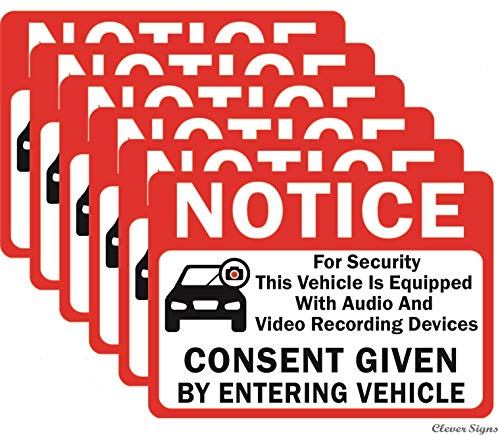
One major con involves strict privacy laws. In some jurisdictions, recording audio or capturing pedestrians without consent can pose legal risks, making it important to research local regulations.
Maintaining Data Boundaries
Ensure your device is configured to respect personal privacy. Avoid sharing footage containing private information or identifiable faces on public forums without proper redaction.
Tip: Always check your local vehicle code to ensure your camera placement doesn't obstruct your line of sight, as this can be a legal liability.
Tip 4: Evaluating 24/7 Security Options
Monitoring While Parked
Dash cams can act as security guards for your stationary vehicle. They are particularly useful for capturing hit-and-run incidents that occur while your car is unattended.
Motion Detection Logic
Modern units offer parking mode sensors that trigger recording based on motion or impact. This feature is a massive pro for protecting your investment in high-traffic parking lots.
Recommended Equipment & Solution

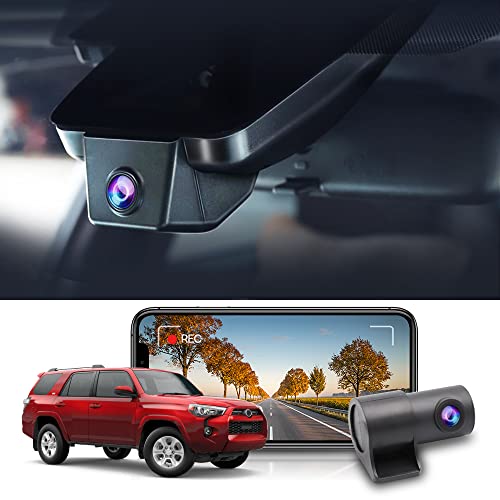
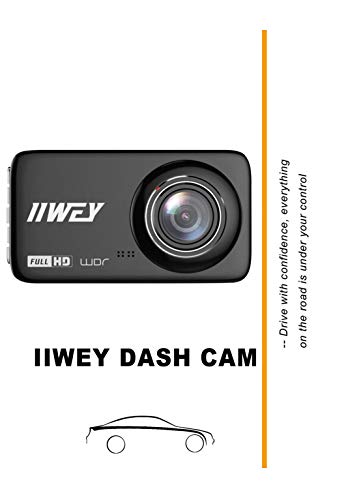
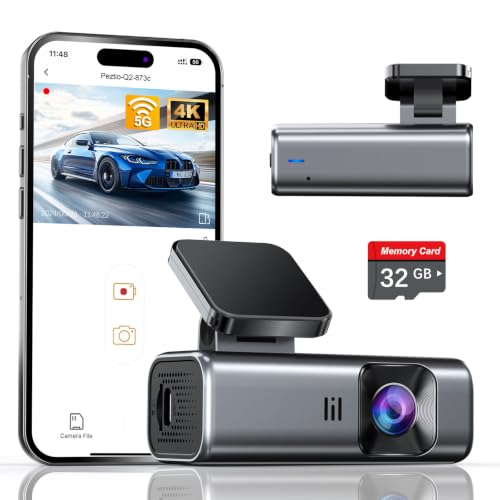
AZDOME GS63H Pro 2CH Dash Cam 4K
A reliable pick for AZDOME GS63H Pro 2CH Dash, selected based on this article's guidance.
Tip 5: Managing Power Requirements

Choosing Your Connection
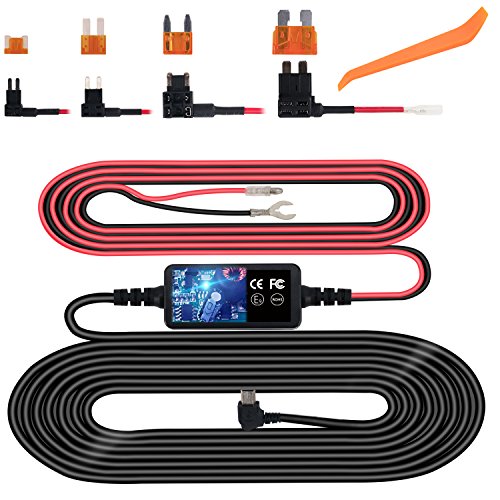
Understanding how power impacts the pros and cons of dash cams on private vehicles is crucial. Check out How are dash cams powered? The complete guide to installation methods to determine if a hardwired or cigarette lighter setup suits your needs.
Battery Drainage Risks
A common downside is that persistent recording can drain your car battery if not managed correctly. Using a battery backup or hardwire kit with voltage cut-off settings is essential.
Tip 6: Assessing Device Reliability
Performance Under Stress
High temperatures inside a vehicle during summer can cause lower-quality dash cams to fail or corrupt data. Opting for cameras with heat-resistant capacitors is a significant pro for reliability.
Routine Testing Protocols
Warning: Avoid cheap, unbranded memory cards as they are prone to failure and can cause your dash cam to stop recording without notice.
Tip 7: Installation Ease vs. Complexity
DIY vs Professional
Simple suction-cup mounts offer the advantage of portability but may look messy with dangling cables. Permanent hardwiring is cleaner but requires more technical skill.
| Feature | DIY Setup | Professional Install |
|---|---|---|
| Cost | Lower | Higher |
| Aesthetics | Messy Wires | Clean/Hidden |
| Portability | Easy | Difficult |
Tip 8: Distraction and Obstruction Factors
Minimizing Driver Distraction
Some drivers find illuminated screens distracting at night. A significant pro for dash cam design is the "screen-off" feature, which allows the camera to record without visual interference.
Reducing Clutter
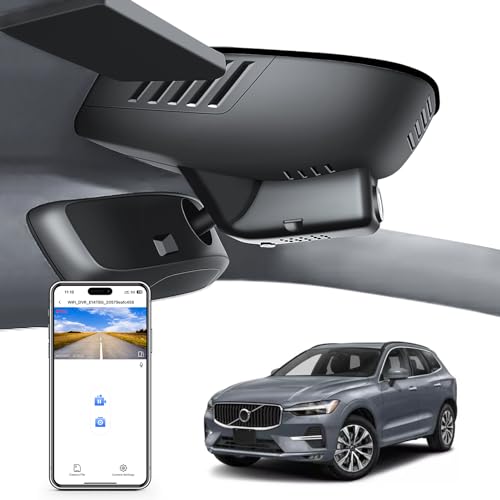
To avoid visual obstruction, place your camera behind the rearview mirror. You can find more mounting techniques in Do dash cams record when the car is off? Everything You Need to Know for 24/7 Security.
Tip 9: Data Storage and Management
Cloud vs. Local
Some premium cameras upload footage to the cloud. While this is a huge pro for security (the video is safe even if the camera is stolen), it often requires a monthly subscription fee.
Local Storage Limits
Managing the pros and cons of dash cams on private vehicles requires understanding that local storage eventually loops. Ensure your loop recording is set correctly so you don't overwrite critical incidents.
Success: Using high-endurance memory cards designed for constant writes will significantly extend the life of your storage media.
Tip 10: Insurance and Liability Pros
Leveraging Evidence for Premiums
Some insurance providers offer discounts for vehicles equipped with dash cams. They value the ability to verify claims quickly, potentially lowering your long-term insurance costs.
Defining Fault Clearly
In cases of hit-and-runs, having clear footage of a license plate is the ultimate advantage. This evidence saves you from potential deductible payments and increased insurance premiums.
Common Mistakes to Avoid
Frequently Asked Questions
Do dash cams always work in cold weather?
A: Generally, no; extreme temperatures can affect the battery or internal components, so look for "cold-weather rated" units.
Can I record audio in my car?
A: In many jurisdictions, you must inform passengers if you are recording audio, as dual-party consent laws often apply.
Does a dash cam prevent theft?
A: It can act as a deterrent, but the camera itself is a target if left visible; consider removing it if you park in high-risk areas.
Is it illegal to mount a camera on the windshield?
A: It is generally legal, provided it does not obstruct your view of the road or the vehicle's operation.
Are dash cams worth the cost for low-mileage drivers?
A: Yes, because most accidents happen in parking lots or near home, where dash cams provide vital protection.
Can I use my smartphone as a dash cam?
A: Apps exist for this, but dedicated hardware is more reliable and won't overheat your phone or deplete your battery.
Do all dash cams record at night?
A: Most record at night, but quality varies; look for "STARVIS" sensors for superior low-light performance.
What happens if the camera is destroyed in a crash?
A: If you use cloud-based storage, your data should be safe, which is a major advantage for security.
Key Takeaways
- 1 Dash cams provide objective, reliable evidence for insurance claims.
- 2 Legal risks exist; always check local recording and privacy laws.
- 3 Parking mode is a must for hit-and-run protection.
- 4 Regular SD card maintenance prevents critical data loss.
- 5 Hardwiring is cleaner, while suction mounts offer flexibility.
- 6 High-endurance memory cards are essential for device longevity.
- 7 Strategic placement prevents driver distraction and visual obstructions.
Summary
The pros and cons of dash cams on private vehicles reveal that while there is an upfront investment in time and money, the benefits of peace of mind and accident documentation are significant for most modern drivers.
By focusing on proper installation, maintenance, and legal awareness, you can turn a basic device into a powerful asset for your road safety. For more, read Do dash cams record when the car is off? Everything You Need to Know for 24/7 Security.
Selecting the right dash cam is an investment in your safety and financial security on the road.